Tell us about the job
Takes about a minute. No obligation.
Gas-fired water heaters run every day of the year, not just through a heating season, so the burner assembly, thermocouple, and venting path accumulate wear continuously. Utility gas heats more occupied homes in Dodge County, Nebraska than any other fuel, at 52.1% (2020-2024 ACS 5-year). That gas majority means most repair calls in this county land on combustion-side failures: a thermocouple that no longer holds a signal, a burner orifice that has carbonized, or a flue collar that has corroded from years of exhaust. A contractor diagnosing a water heater here checks those components before looking elsewhere, because the fuel type decides where the load concentrates.
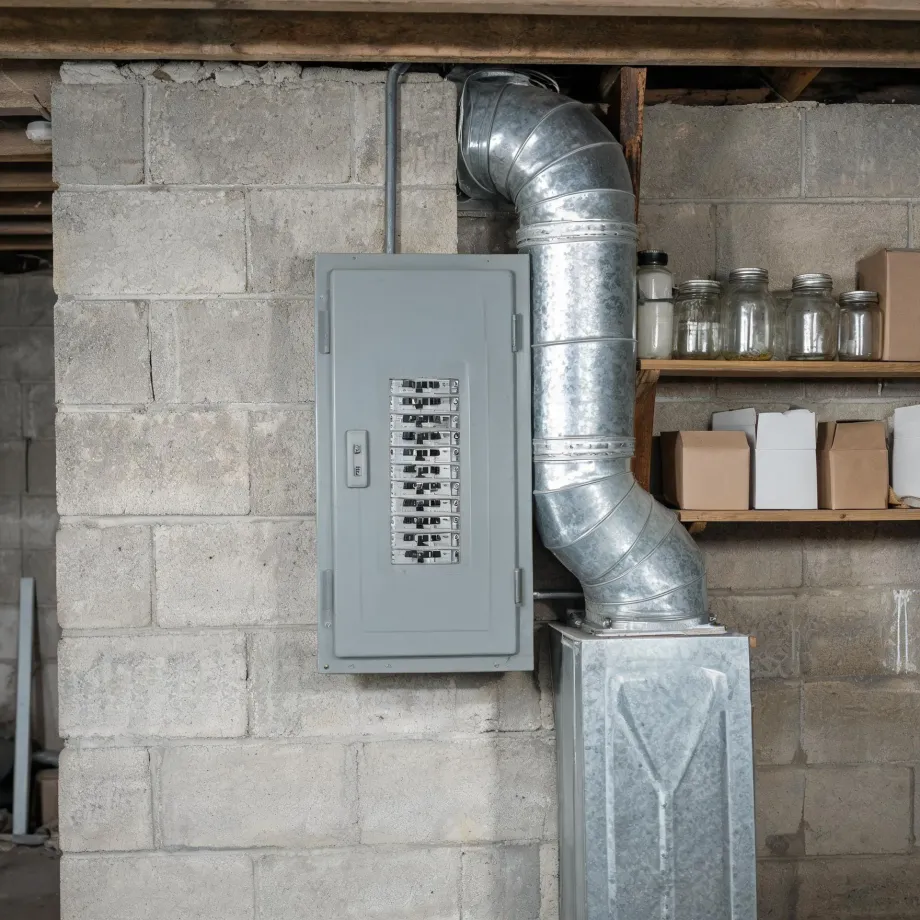
Plumbing runs, venting paths, and the connections surrounding a water heater in this county's older homes were set up for equipment that has since been replaced, sometimes more than once, leaving a contractor to work out what is actually there before a repair scope makes sense. Half the homes in Dodge County, Nebraska were built in 1967 or earlier (2020-2024 ACS 5-year). That history means the parts a unit takes are only half the question. What the surrounding installation has become, through previous repairs and adaptations layered over the original work, is what determines whether a straightforward fix stays straightforward.
The Parts of a Water Heater a Contractor Checks First
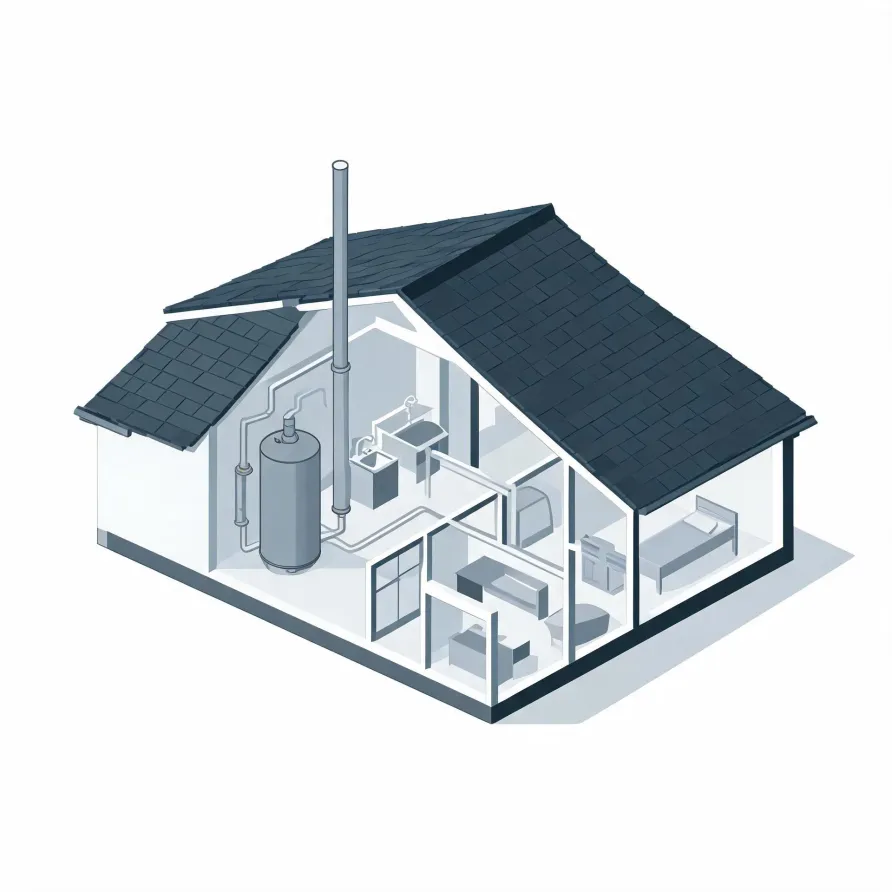
The tank is the piece a homeowner notices first, usually standing in a utility room, basement, or garage closet. It holds and heats the water supply for the house. When a water heater is struggling, the tank itself, its lining, and the pressure relief valve mounted on its side are among the first things a contractor looks at.
The burner assembly or heating element sits at the base or inside the tank depending on whether the unit runs on gas or electricity. The thermostat controls the heat level, and the anode rod runs through the tank's interior to slow corrosion. The cold-water inlet and hot-water outlet pipes connect the unit to the rest of the house, and any of these connections can be the source of a problem.
The drawing shows a general layout of these components, and a licensed contractor determines what applies to the specific unit and setup in your home.
Get matched in Dodge CountyDodge County, Nebraska, by the numbers
131 severe weather events were recorded in Dodge County, Nebraska between 2015 and 2024.
NOAA National Centers for Environmental Information, Storm Events Database, bulk CSV export, events 2015-01-01 through 2024-12-31.Half the homes in Dodge County, Nebraska were built in 1967 or earlier (2020-2024 ACS 5-year).
U.S. Census Bureau, 2020-2024 American Community Survey 5-Year EstimatesDodge County, Nebraska holds 16,725 housing units (2020-2024 ACS 5-year).
U.S. Census Bureau, 2020-2024 American Community Survey 5-Year EstimatesOwners occupy 66.9% of the occupied homes in Dodge County, Nebraska (2020-2024 ACS 5-year).
U.S. Census Bureau, 2020-2024 American Community Survey 5-Year EstimatesCodes & Standards Covering Water Heater Repair in Dodge County, Nebraska1 sourced rules and standards
Licensing Rules for HVAC Repair in Dodge County, Nebraska
Nebraska requires registration rather than a licence: a contractor must be registered with the Department of Labor before performing any construction work, though anyone earning less than five thousand dollars a year from construction services is not a contractor under the Act at all.
Severe Weather Events in Dodge County
Extreme weather puts real stress on water heaters: temperature swings, power surges, and pressure fluctuations all add up over time. How hard that workload gets depends on what the local climate actually does, which is why the record below is part of understanding repair needs in this area.
131 severe weather events, 2015–2024. Source: NOAA National Centers for Environmental Information, Storm Events Database.