Tell us about the job
Takes about a minute. No obligation.
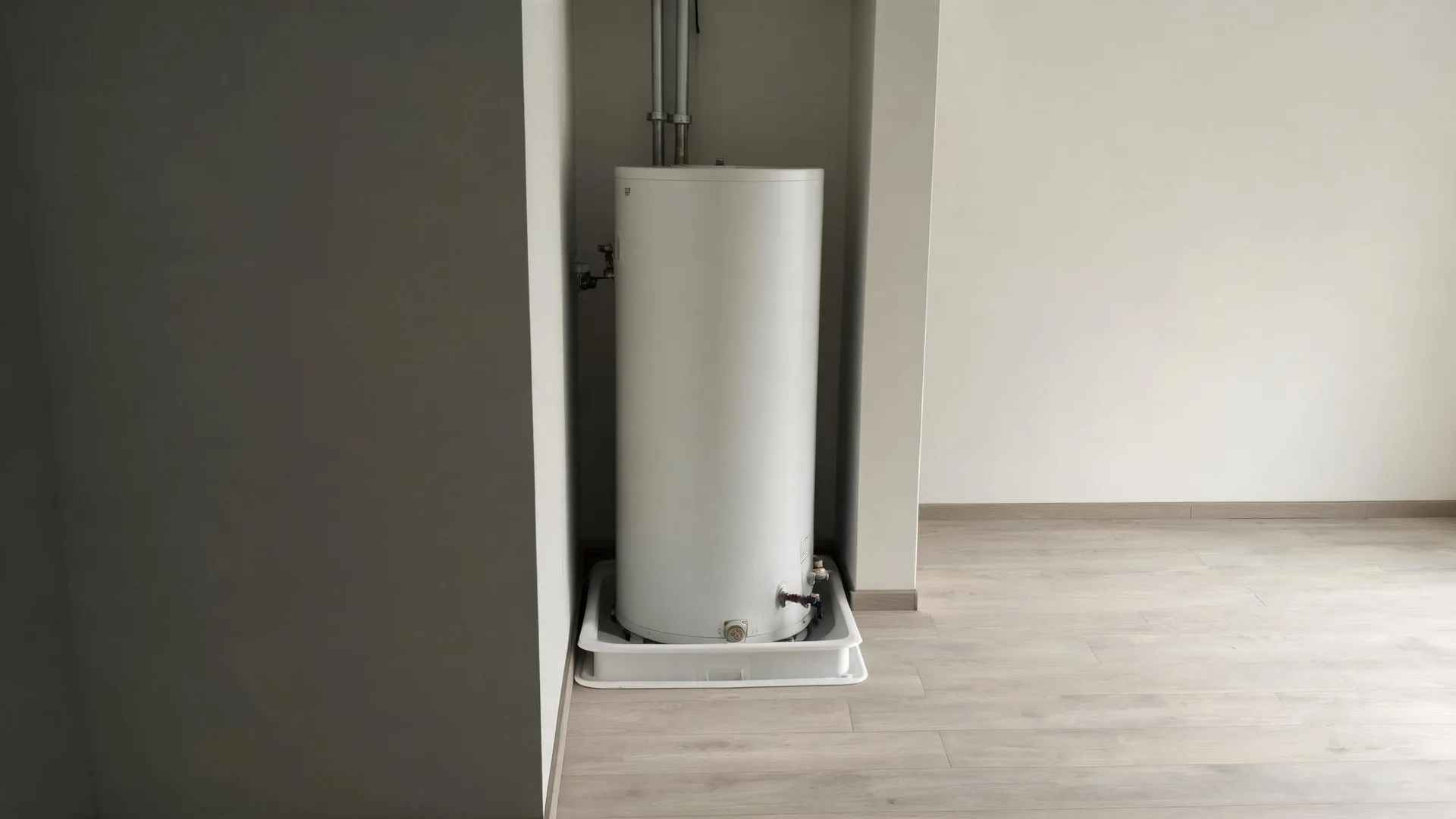
Gas burners in water heaters do not rest the way a furnace does. A furnace cycles hard through winter and sits quiet through summer; a water heater fires every day, year-round, regardless of season. Utility gas heats more occupied homes in Washington County, Nebraska than any other fuel, at 45.0% (2020-2024 ACS 5-year). With nearly half the occupied homes here running on utility gas, contractors in this area work on gas water heaters constantly, and the failure patterns are predictable: the thermocouple degrades from repeated thermal stress, the gas valve sticks or drifts, and sediment builds in the tank from the local water supply. A contractor on a repair call here goes to those components first, because the usage history behind them is consistent across the county.
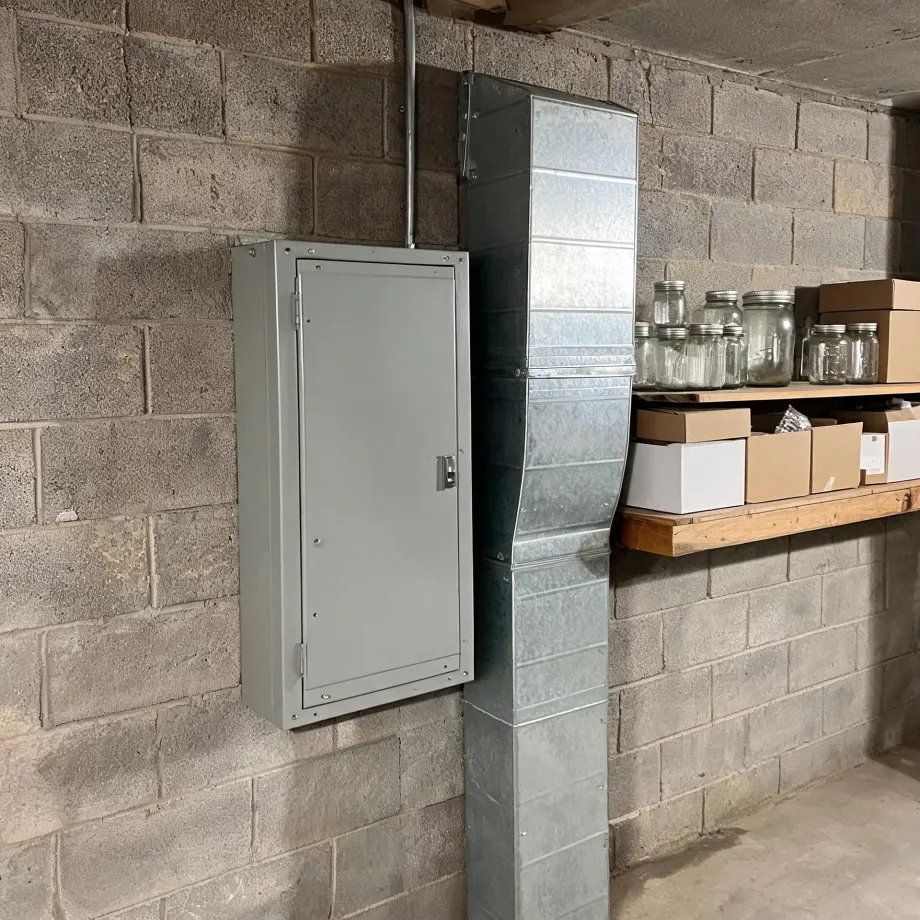
Water heaters in a house do not stay original forever, but the plumbing configuration around them often does, and in stock this old that configuration was built for equipment generations removed from what runs in it now. Half the homes in Washington County, Nebraska were built in 1976 or earlier (2020-2024 ACS 5-year). A contractor opening a water heater here has to establish whether the valves, fittings, and heating elements the unit takes are still in current production, because a repair that looks straightforward can stall on a part that stopped shipping years ago. That determination changes what gets ordered, and sometimes whether a repair is the right path at all.
The Parts of a Water Heater a Contractor Checks First
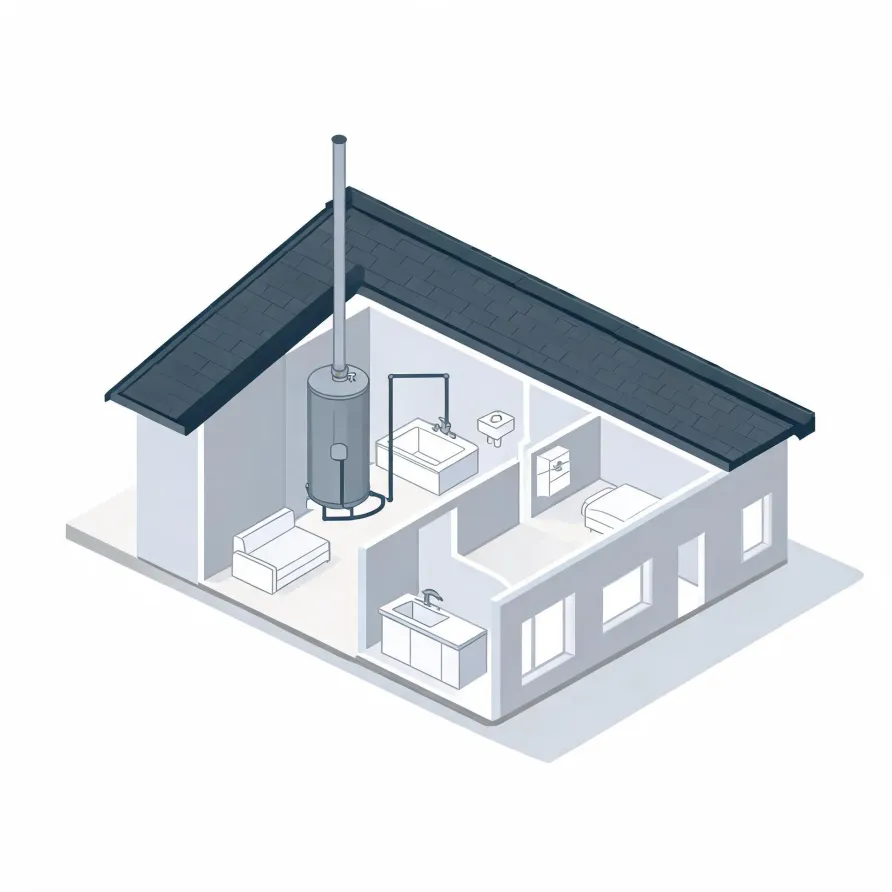
The tank is the piece most homeowners recognize. It holds the water and sits in a utility room, basement, or closet. A contractor working on a repair will look first at the tank itself for signs of corrosion or pressure issues, then at the heating element or burner assembly at the base, which is what actually raises the water temperature.
The thermostat controls when and how much heat is applied, and a faulty one is a frequent reason water comes out too hot, too cold, or not at all. The pressure relief valve, mounted on the side of the tank, is a safety component a contractor checks for proper function. The inlet and outlet pipes at the top carry cold water in and hot water out to the rest of the house.
The drawing shows a general layout of these components, and a licensed contractor determines which parts apply and what condition they are in for your specific setup.
Get matched in Washington CountyWashington County, Nebraska, by the numbers
87 severe weather events were recorded in Washington County, Nebraska between 2015 and 2024.
NOAA National Centers for Environmental Information, Storm Events Database, bulk CSV export, events 2015-01-01 through 2024-12-31.Half the homes in Washington County, Nebraska were built in 1976 or earlier (2020-2024 ACS 5-year).
U.S. Census Bureau, 2020-2024 American Community Survey 5-Year EstimatesWashington County, Nebraska holds 8,711 housing units (2020-2024 ACS 5-year).
U.S. Census Bureau, 2020-2024 American Community Survey 5-Year EstimatesOwners occupy 83.2% of the occupied homes in Washington County, Nebraska (2020-2024 ACS 5-year).
U.S. Census Bureau, 2020-2024 American Community Survey 5-Year EstimatesCodes & Standards Covering Water Heater Repair in Washington County, Nebraska1 sourced rules and standards
Licensing and Legal Requirements in Washington County, Nebraska
Nebraska requires registration rather than a licence: a contractor must be registered with the Department of Labor before performing any construction work, though anyone earning less than five thousand dollars a year from construction services is not a contractor under the Act at all.
Severe Weather Events in Washington County
Extreme weather puts stress on water heaters: hard cold snaps force recovery cycles, power surges from storms trip heating elements, and pressure swings inside supply lines push fittings and valves past their limits. How hard local weather hits is part of what determines how hard local equipment works.
87 severe weather events, 2015–2024. Source: NOAA National Centers for Environmental Information, Storm Events Database.