

Why your water heater is slow to recover in Nebraska
Once you send the form, finding a pro is off your list.
Hand it offWhy is my water heater taking so long to recover in Nebraska?
Cold showers in a row, or the second kid in the house ending up with lukewarm water, usually means the tank is taking too long to heat back up. In Nebraska, groundwater runs cold, especially once winter sets in, and that alone changes how long recovery takes. Before assuming the tank is failing, it helps to know what actually slows recovery and when it points to something worth having looked at.
A failing burner or a bad dip tube, not just cold groundwater
Groundwater coming into a Nebraska home runs colder in winter than most people expect, so a gas water heater has to work harder to raise it to temperature. That alone stretches recovery time for everyone here from November through March. But if recovery has gotten noticeably slower, or the water never gets as hot as it used to, the cause is usually in the unit itself. A dirty or weak burner can't put out full heat, so the tank runs longer to do the same job. A broken dip tube lets cold incoming water mix with the hot water at the top of the tank instead of going to the bottom, so you draw down hot water faster than the burner can replace it. Sediment built up on the bottom of the tank also sits between the burner and the water, slowing the heat transfer.




Is this just slow recovery, or a sign of something else?
You run the dishwasher, then try to shower, and the water never gets past warm. Someone does laundry and the next person in the shower is out of luck. If the burner sounds like it's cycling on and off more than it used to, or you catch a rotten egg smell near the tank, that's worth paying attention to, not just working around. A water heater that struggles to keep up usually keeps struggling, and the gas bill reflects it even when the house manages to make do. Left alone, a failing burner or a bad thermocouple can mean the tank stops producing hot water at all, often at the worst possible time.
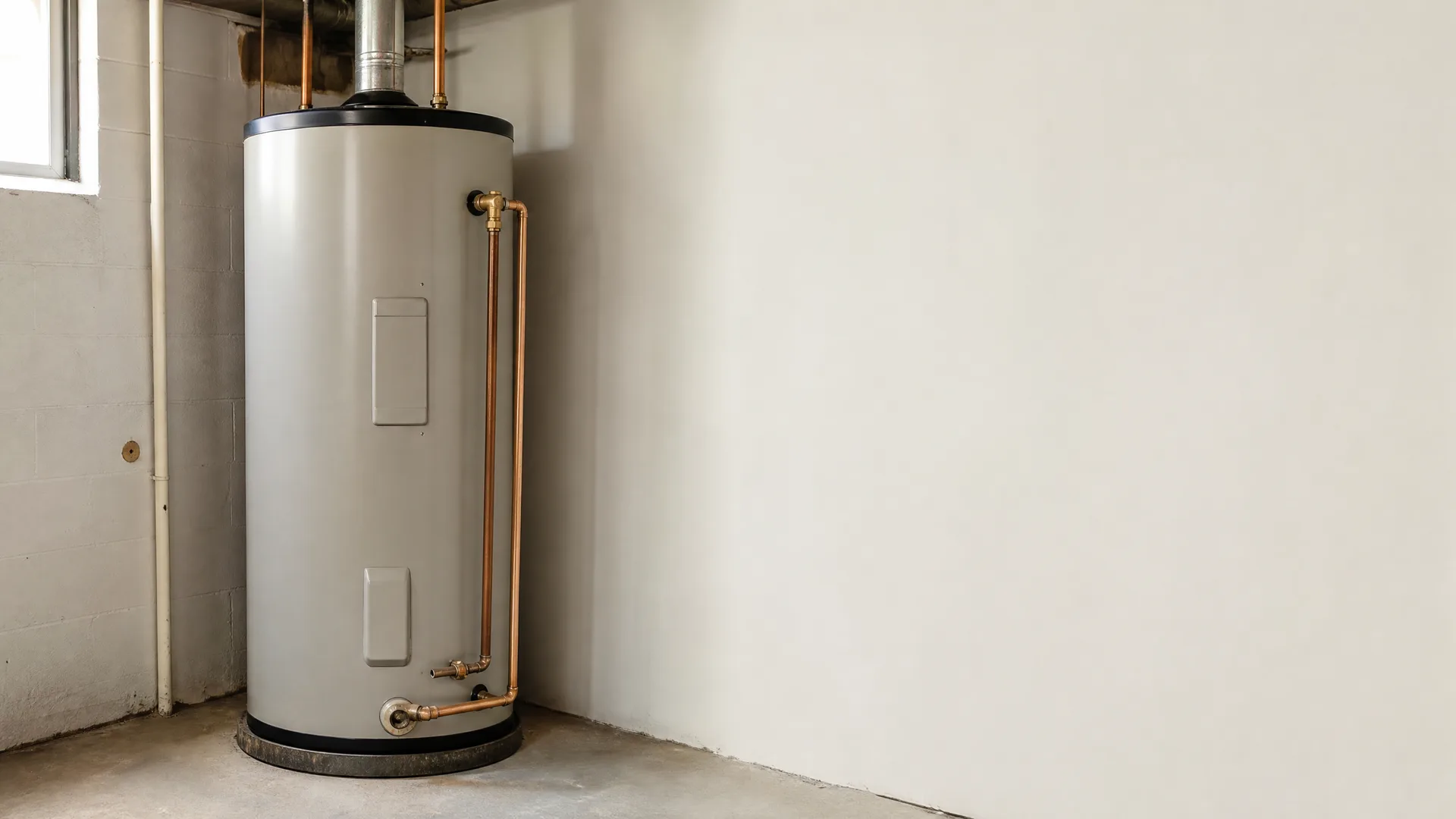
Groundwater sets the starting point
A gas water heater warms the tank from whatever temperature the water comes in at. In Nebraska that incoming water runs cold most of the year, colder still in the dead of winter. The burner has to work harder and longer just to reach the same setpoint it would hit easily with warmer water. That extra lift is where recovery time goes. It's not a sign anything is broken, but it does mean a weak burner or a buildup of sediment on the bottom of the tank shows up faster here than it would somewhere with milder groundwater.
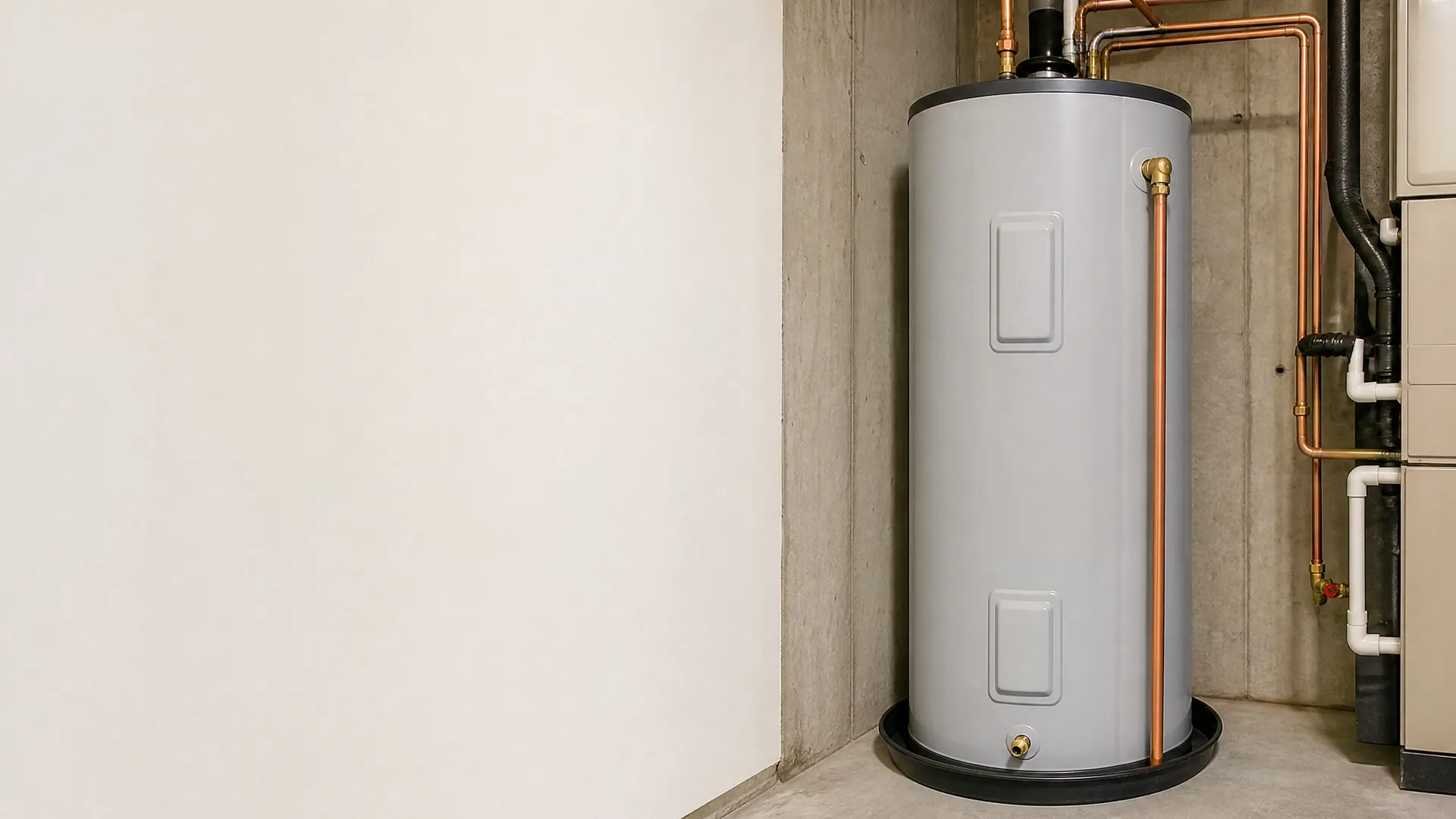
Sediment steals burner heat
Gas water heaters fire from the bottom, and over time minerals in the water settle there as sediment. That layer sits between the flame and the water, so heat has to pass through it before the tank itself warms up. A thin layer slows recovery some. A thick one can turn a fifty-minute recovery into something closer to double that. The burner isn't weaker, it's just heating through an extra barrier it didn't have a year ago.
Fix the Recovery or Replace the Tank
Repair
- A gas water heater that recovers slowly often has a burner that's dirty or clogged, not a tank that's failing.
- Sediment sitting on the bottom of the tank acts like a blanket between the burner and the water above it.
- A thermocouple or gas valve that's drifted out of adjustment can hold the flame lower than it should run.
- If the tank itself is sound, a contractor can usually get full recovery back without replacing anything.
- A licensed local contractor who works on these tanks all year knows which of these it usually is before the cover even comes off.
- Flushing the tank and cleaning the burner assembly costs far less than a new unit and can be done in a single visit.
Replace
- If the tank is rusted through or leaking at the base, no amount of burner work brings back recovery time.
- An undersized tank for the household will always run behind during back-to-back showers and laundry, no matter the repair.
- Years of sediment buildup can shrink usable tank volume permanently, so recovery stays slow even after a flush.
- A gas valve or burner that's failed completely, rather than just drifted, usually means replacement is the only path.
- Replacing with a properly sized tank solves the lukewarm-water problem for good instead of buying a few more seasons.
- A local contractor can size the new unit to the household rather than just matching what's already installed.


Hand off the water heater problem
Your request goes to one pro, not a list of companies.
After you send the request, you're done searching.
Sending the form costs nothing.
59.2% of homes statewide heat with gas
Most houses in Nebraska heat with gas, and yours is probably one of them. That matters here because a gas burner has to do all the work of recovery itself. If sediment or a dirty burner is slowing it down, there's no electric backup element quietly picking up the slack.
ACS 2020-2024 5-year B25040
Slow Recovery Has a Fix
- Slow recovery in a gas water heater almost always traces back to sediment or a dirty burner, not a dying tank.
- Nebraska's cold groundwater makes the burner work harder, so a problem that's minor elsewhere shows up sooner here.
- A technician who services these tanks every winter knows which of the two or three usual causes to check first.
- Clearing sediment or cleaning a burner is routine work for someone local who sees this same complaint all season.
- One licensed contractor takes the call, so you're dealing with a single visit instead of fielding several estimates.
- Knowing the likely cause doesn't fix it, but it tells you this is a repair, not a replacement.
A gas water heater that's slow to recover is usually telling you something simple: sediment has built up on the bottom of the tank, or the burner isn't burning clean. Nebraska's cold groundwater just makes that problem show up faster than it would somewhere milder, because the burner is already working near its limit to begin with. None of that means the tank is done. It means something inside it needs attention.
That's routine work for a technician who's local, the kind of person who gets this same call every winter and already knows whether to check the burner or the sediment first before touching anything else. You're not getting a stranger guessing at a problem they've never seen. You're getting one licensed contractor who services this equipment all season, matched to your situation, not a handful of companies competing for your number.
That matters because a slow water heater is annoying in a way that gets worse the longer it sits. The burner keeps straining, the water keeps running lukewarm, and the fix doesn't get easier by waiting. Once you send the request, the work of finding someone qualified is off your plate. You're left with one contractor, one visit, and a clear answer about what's actually wrong with the tank instead of a guess about whether it needs replacing at all.

Water Heater Repair
Send one request and you're done looking

- Describe your water heater job, and a local pro who handles it gets in touch.
- Say what's going on with your water heater, and a pro who works on them reaches out.

- Send the request and finding a pro stops being your problem.
- After this form, you can stop searching for a water heater pro.

- Answer a few questions instead of calling shop after shop.
- Describe your water heater job once, to one pro.

- Only one pro gets your request, so you hear from one company.
- Your request stays with one local pro.