Get Hot Water Nebraska

Why your hot water smells like rotten eggs in Nebraska

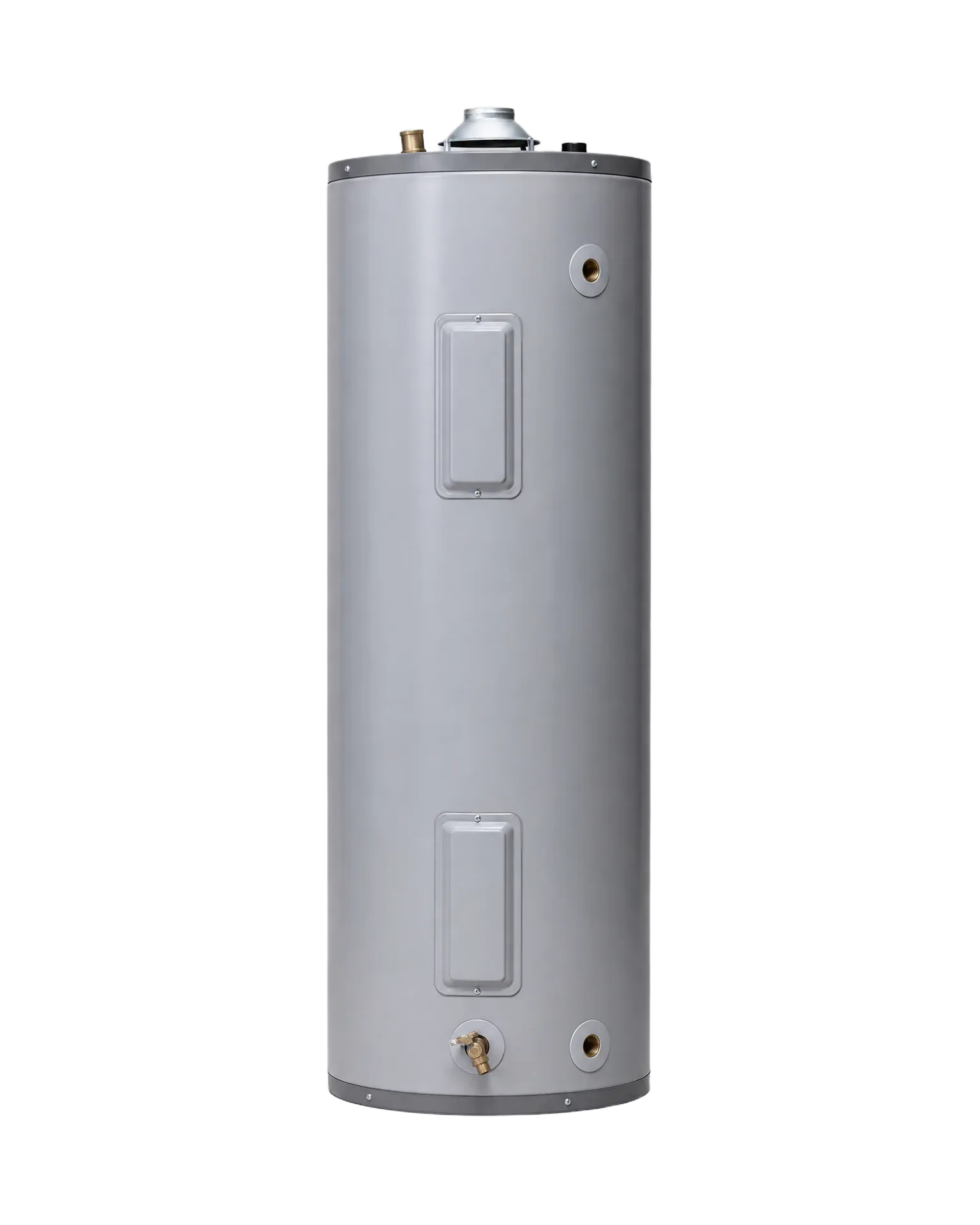
A tall cylindrical gray water heater with two access panels, brass fittings and a drain valve, standing against a plain light gray background.
Match me with a pro

That smell is sulfur bacteria living in your water heater tank, and they feed on the magnesium or aluminum rod inside it meant to stop the tank from rusting. The rod gives off hydrogen, the bacteria turn it into hydrogen sulfide gas, and that gas is what you're smelling at the tap. It shows up most in homes on well water, but it happens on city water too, especially if the water heater sits unused for a while, which is common since most homes in Nebraska heat water with gas and don't need to run the heater hard for anything else. The water itself is usually safe to use. The fix usually means flushing the tank, replacing the rod with a different metal, or in some cases disinfecting the tank itself. Left alone, the smell tends to come back, and the rod underneath keeps wearing down the same way it was meant to protect the tank in the first place.

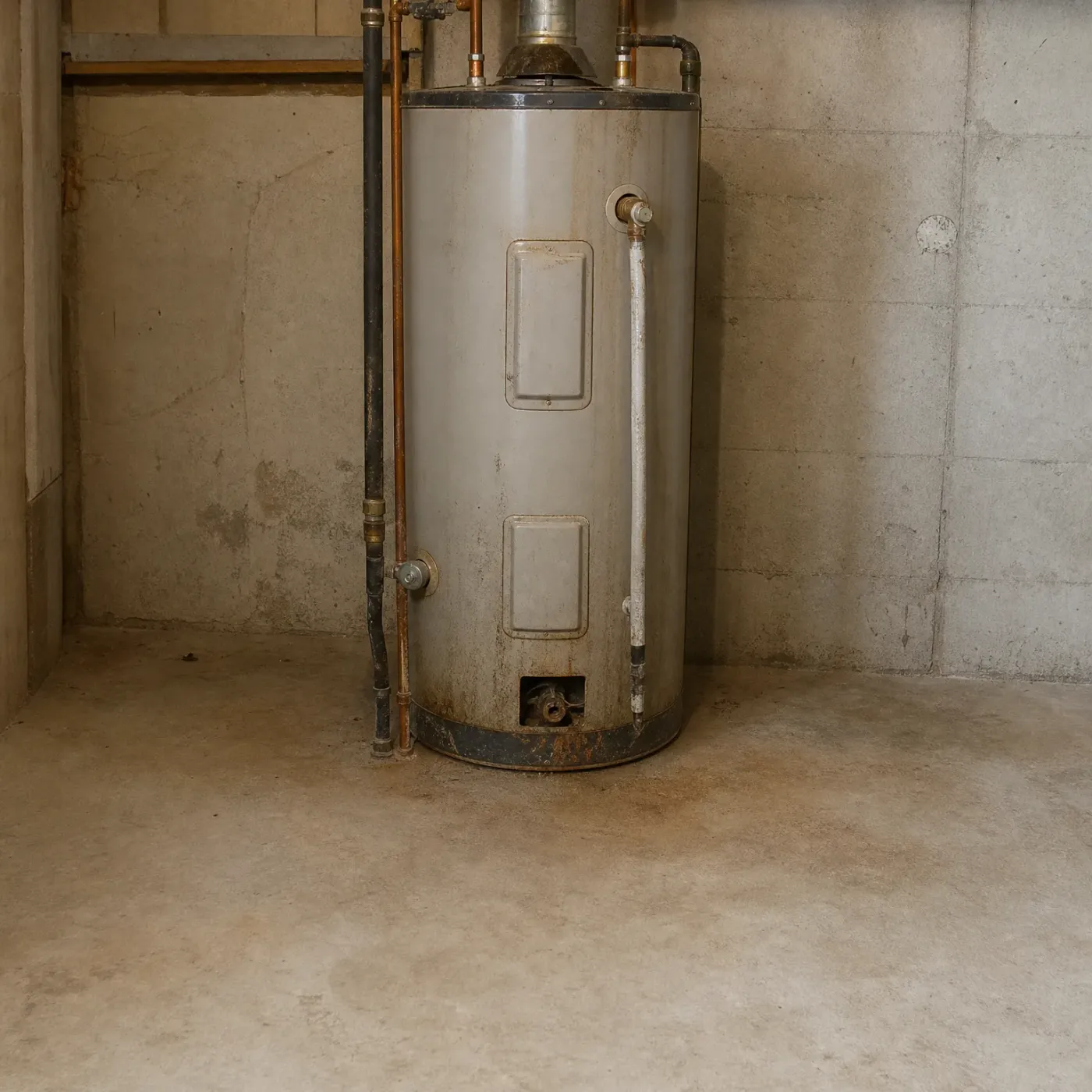
A rusting gas water heater with copper and steel pipes stands against a concrete block wall on a bare concrete floor.
Before you get your water heater repair
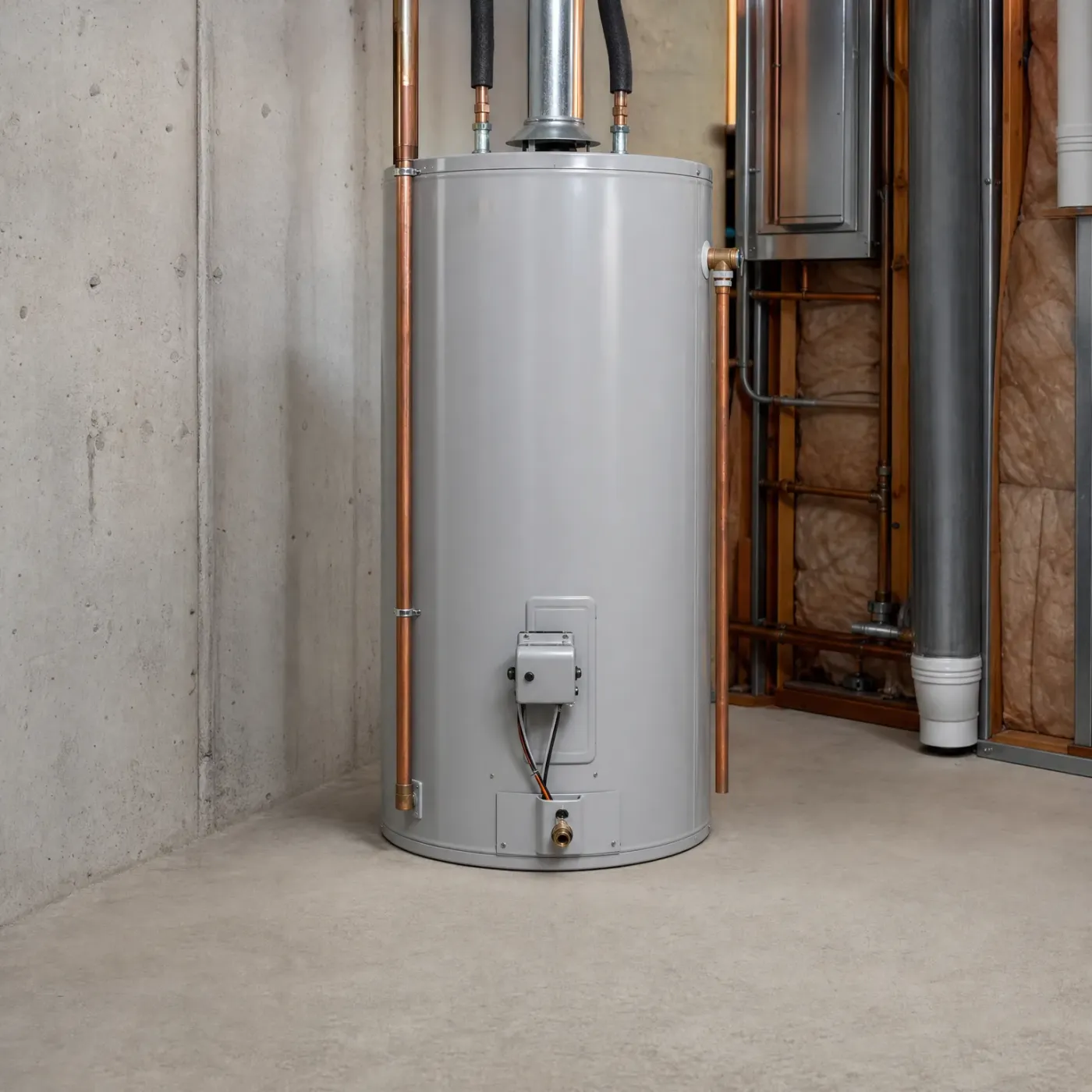
A gray cylindrical water heater stands in a basement corner against a concrete wall, with copper pipes, insulated flex lines, a metal flue, and insulated wall framing with ductwork to the right.
After you get your water heater repair

Why gas water heaters get it worse

Most homes in Nebraska heat water with gas, and gas water heaters tend to run hotter than electric ones. Heat speeds up the reaction between the rod and the bacteria, so the smell shows up faster and stronger. If the tank sits unused for a few days, the water inside goes still and the sulfur bacteria multiply even more. A second household with a gas water heater that gets used daily may never notice the smell, while one that's away for a week comes home to it right away. It's not the gas itself causing the odor. It's what the heat and the standing water do to the rod.

Why only the hot side smells

The anode rod sits inside the hot water tank, not in the line that feeds your cold taps. That's why the rotten egg smell shows up when you run hot water and disappears when you switch to cold, even at the same faucet. The cold water in your house never passes near the rod or the bacteria feeding on it. If you ever notice the smell on both sides, that points to something in the groundwater itself rather than the tank, and that's a different problem with a different fix. A licensed plumber can test for that during a repair call.

A woman with dark hair in a bun wearing a cream knit sweater sits on a gray sofa in a bright living room, looking off to the side.
A woman wrapped in a knit blanket sits on a gray sofa in a living room, looking toward a bright window with houseplants and an armchair in the background.
A woman in a gray cowl-neck sweater sits on a light sofa with cushions, smiling and looking to the side, with a kitchen and window visible behind her.
A woman with dark hair in a bun, wearing a light linen shirt, sits on a sofa and looks to the side, with a window, houseplants and a kitchen with pendant lights blurred behind her.

Flush the Tank or Replace the Rod

Flush the tank

  • A contractor can drain the tank and clear out the sediment where sulfur bacteria tend to collect and multiply.
  • This works best when the smell just started and the rod inside hasn't been badly eaten away yet.
  • It's the cheaper route, and it buys time if the tank itself is still in good shape.
  • If the water sat unused for a while, like after a trip, a flush alone sometimes clears it.
  • The smell can come back in a few months if the bacteria were never fully cleared out.

Replace the rod

  • Swapping the magnesium rod for a zinc or aluminum one takes away what the bacteria feed on.
  • This is the fix a contractor usually reaches for when a flush alone doesn't stop the smell from returning.
  • It costs more upfront than a flush but tends to hold longer against the smell coming back.
  • A contractor local to Nebraska who works on these tanks every summer knows which rod type fits your model.
  • If the tank is old or already showing rust, replacing the rod may not be worth doing on its own.
A gray cylindrical water heater standing in a basement corner against a concrete wall, with copper and black pipes, a metal flue, and ductwork nearby, next to wood framing on the right.
Hot water that runs clear and odor free means the anode rod is still doing its job and the tank is keeping up with what your household needs each day.
A gray cylindrical gas water heater with copper and black pipes stands in the corner of a basement with concrete block walls and a bare concrete floor.
Black iron and copper lines feeding a tank that's gone sour usually point to a rod that's worn through, and a local contractor who services these in Nebraska every summer can tell you fast.
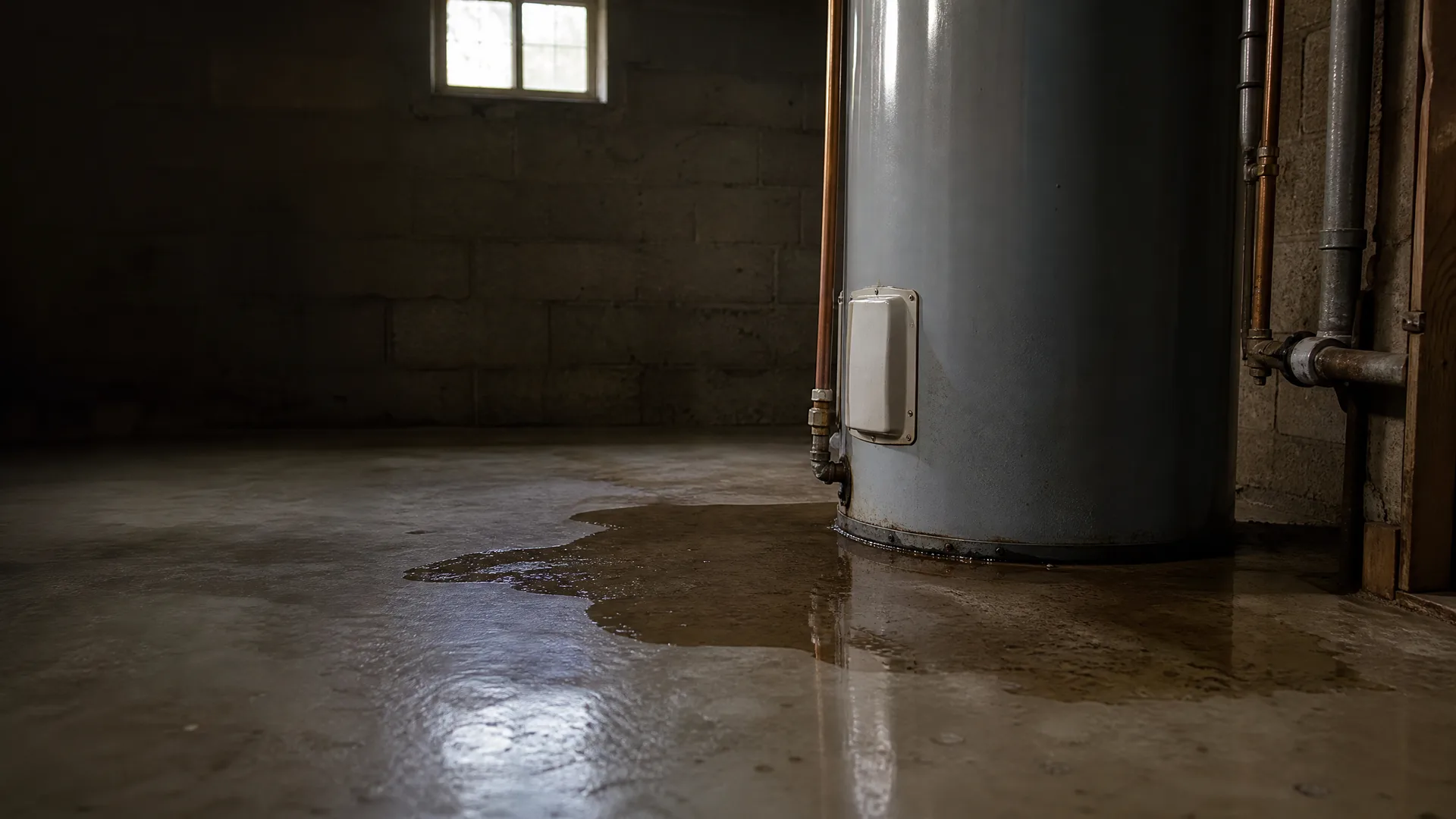
A gray cylindrical water heater stands in a dim basement with concrete block walls, copper and metal pipes along the wall, and a pool of water spreading across the concrete floor.

Saturday morning, and you're down in the basement for a load of laundry when you catch it, that rotten egg smell, stronger near the tank. You crouch down and see it: a thin sheet of water spreading out from the base, already reaching the drain. You shut off the water line and stand there a second, listening to the tank tick as it cools. Somebody local handles calls like this all winter and all summer in Nebraska, where gas water heaters are common and the rod inside wears down faster than people expect. One contractor gets the call, the one who already knows what a tank at this stage usually needs.
A water heater pro near you

That smell isn't going to fix itself, and leaving it means living with it every time you run a shower or fill a sink. Figuring out whether a flush will clear it or the rod needs replacing takes someone who's actually opened up a tank in a Nebraska basement and seen what gas-heated water does to that rod over time. A local contractor who works on these systems all year, through muggy summers and hard winters alike, knows the difference between a tank that just needs sediment cleared and one where the rod's worn through. Your request goes to one contractor who takes on your situation directly, not a handful of companies competing for the job. That means someone who can look at your specific tank, your water heater's age and setup, and tell you what's actually happening inside it. The smell is a symptom. What's underneath it is worth knowing before it gets worse.

A gray cylindrical water heater standing on a concrete floor in a basement corner, with copper pipes and a metal duct running overhead along bare concrete walls.

Tank working right

Water comes out clear and without any smell, hot when you want it and steady through a full shower. The rod inside is still sacrificing itself the way it's supposed to, keeping the tank from rusting out. Copper and vent lines stay dry where they meet the top of the unit.

A white cylindrical water heater with rust stains and two access panels stands in a basement corner between a painted concrete block wall and a bare concrete wall, with metal pipes running up and alongside it on a concrete floor.

Tank gone bad

Rust has eaten into the steel, and what's left of the rod can't keep up with the bacteria feeding on it. That's when the smell turns strong and stays, even right after a flush. A tank in this shape in a Nebraska basement is usually closer to needing replaced than repaired.

59.2% of homes statewide heat with gas

Almost six in ten Nebraska homes heat with gas, so there's a good chance your water heater is gas too. Gas models run hotter than electric ones, which pushes the smell along faster once the rod starts reacting with the bacteria in the tank.

ACS 2020-2024 5-year B25040

Where That Leaves You

  • The rotten egg smell comes from sulfur bacteria reacting with the rod inside your water heater tank, not from the gas line.
  • A flush clears out the sediment where the bacteria multiply, and works best if the rod hasn't worn through yet.
  • Once the rod is badly eaten away, flushing alone won't stop the smell from coming back.
  • Gas water heaters, common across Nebraska, run hotter and tend to push the smell along faster than electric models.
  • A contractor who opens up tanks regularly can tell within minutes whether you need a flush or a new rod.
  • Clear, odor free hot water means the rod is still protecting the tank the way it's built to.

The smell has one cause: bacteria feeding on the rod inside your tank and giving off hydrogen sulfide gas. It's not the gas line, and it's not something wrong with your water supply outside the house. What happens next depends on how far along the rod is. Catch it early and a flush of the tank, clearing out the sediment where those bacteria live, is usually enough to settle it back down. Wait too long and the rod itself is too far gone, eaten through from feeding the reaction, and a flush won't hold. The rod has to come out and a new one has to go in. Gas water heaters, which is most of what's running in Nebraska basements, push this along faster because they run hotter than electric models, so the smell tends to show up sooner and come back sooner if nothing's done. None of this is something you can tell from upstairs. Someone has to look inside the tank, check the rod, and see what's actually eating it, and that's not a guess you want made by someone who hasn't done it before. A contractor who works on these tanks every week knows the difference between a smell a flush will fix and one that means the rod has to be replaced, usually within a few minutes of opening the access panel. Either way, once it's handled, your water runs the way it should: clear, hot, and without that smell following you into the shower.

An older woman with short gray hair in a cream cable-knit turtleneck sweater smiles while looking to the side in a wooden kitchen, with a round loaf of bread on a board in the foreground and a lit candle by a dark window.
A woman and a child wrapped together in a knitted gray blanket on a couch, with the child's head resting on her shoulder and a lit table lamp and houseplant in the background.

Water Heater Repair

A local pro for your water heater repair

Your request goes to one pro, not a list of companies.

A black-framed smartphone standing upright against a plain light gray background, its screen filled with solid green.
Step 1 of 3: Equipment