 Find my pro
What temperature to set a water heater in Nebraska
A local pro who services water heaters gets in touch about the tune-up.
120 degrees is the number most plumbers point to for a water heater in Nebraska. It holds enough reserve for a shower after the dishwasher runs, without pushing the tank hotter than a household needs. Some homes do fine a few degrees lower, especially if it's just one or two people using hot water.
Gas water heaters are common here, and the dial on the tank is usually marked low, medium, hot rather than actual degrees. That makes it hard to know what you're really set at unless someone checks it with a thermometer at the tap. A setting that feels about right can still be running hotter or cooler than the dial suggests.
Since power is cheap in Nebraska, some homeowners find it tempting to set the tank high and not think about it again. But a tank running hotter than it needs to works harder than it has to, and that shows up over the life of the unit. Getting the setting right for your household, your tank, and how your family uses hot water isn't something a general number can tell you. It depends on the size of your tank, its age, and what your home actually uses hot water for.
That's where a second set of eyes helps. A contractor who services water heaters for a living can check the actual temperature at your tap, look at the tank itself, and tell you whether 120 is right for your home or whether your situation calls for something different. Once you request that, the work of figuring out the right number and the right setup for your specific water heater is no longer something you have to puzzle through alone. Someone who knows your equipment takes it from there.
120 degrees works for most households, but the number is not fixed. Gas water heaters are common in Nebraska, and the dial on a gas tank usually reads warm, hot and very hot rather than exact degrees, so a thermometer at the tap tells you more than the dial does. Go lower, closer to 115, and a family that runs the shower while the dishwasher is going might run out of hot water. Go higher, past 125, and the tank works harder to hold that heat, with more wear on the parts that do it. Scalding risk goes up too, which matters if there are small kids or older adults in the house. The setting also drifts over time as sediment builds in the tank, so a temperature that was right last year might not be right now. Checking it is part of keeping the water heater working the way it should.
How a Gas Water Heater Actually Holds Its Setting
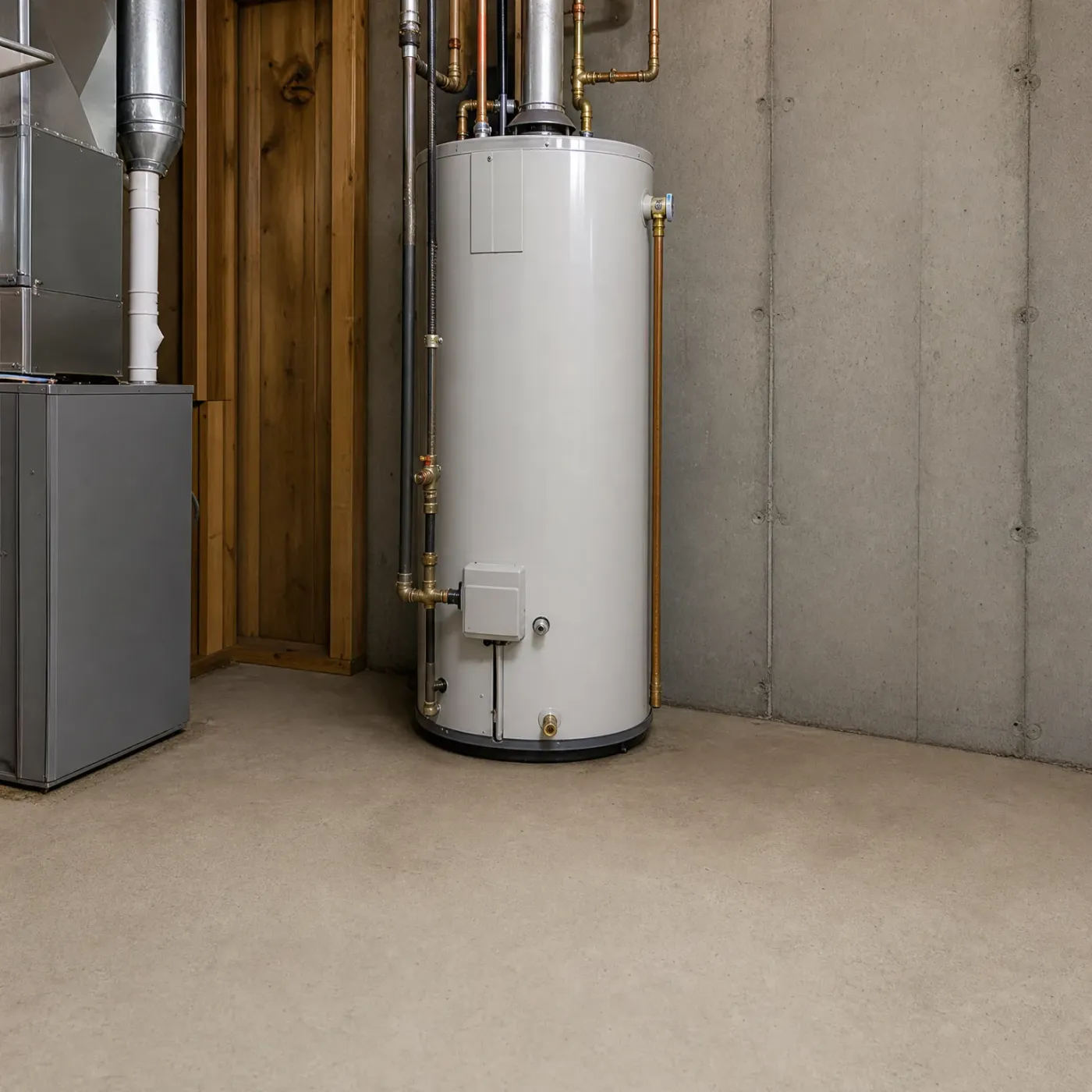
- The thermostat on a gas water heater sits on the outside of the tank, not inside the water, so the dial reading and the actual tap temperature can drift apart over time.
- Gas burns under the tank, and the thermocouple or flame sensor has to read a steady flame before the gas valve stays open, which is why a dirty sensor can leave water lukewarm no matter where the dial sits.
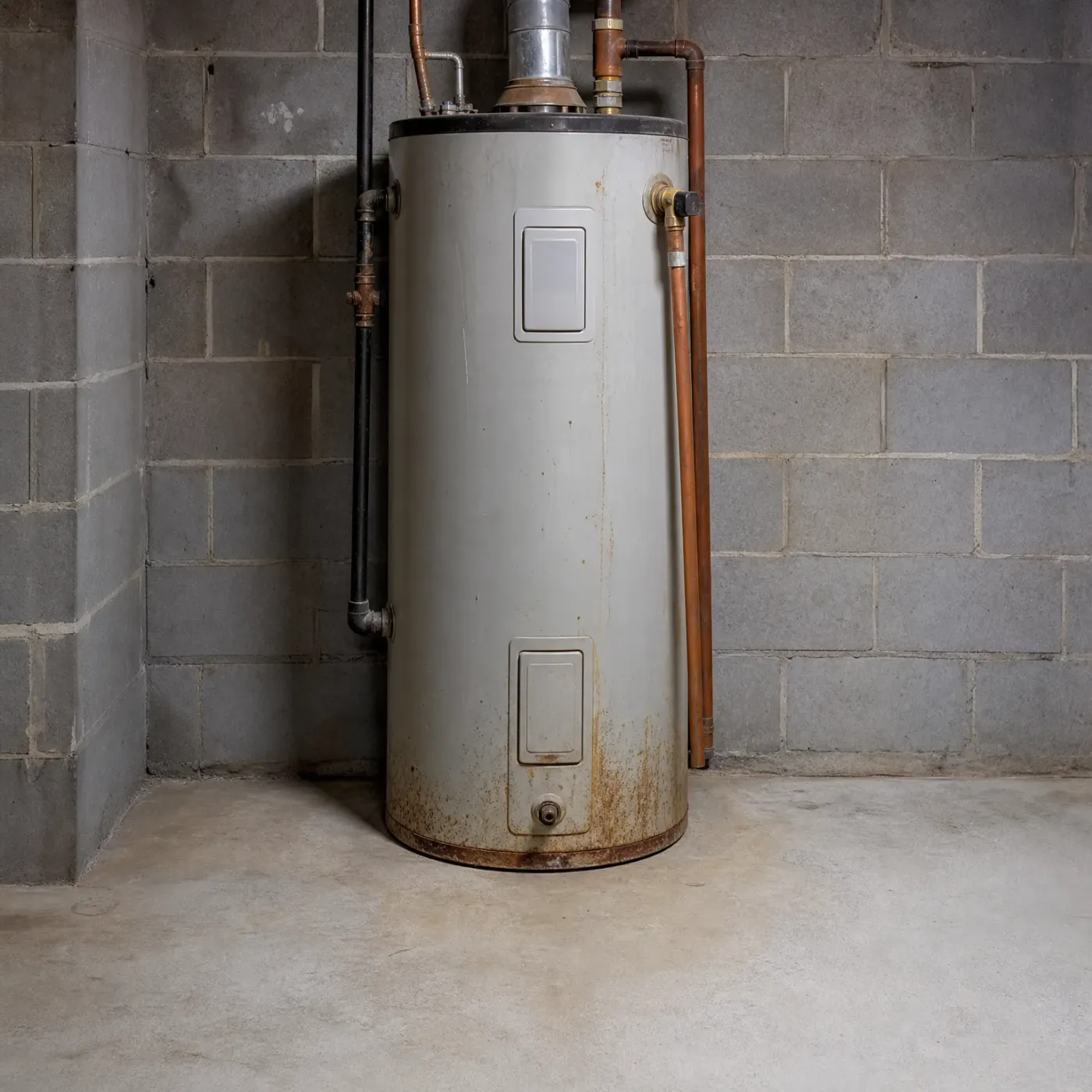
- Sediment settles at the bottom of the tank above the burner, and that layer insulates the water from the heat, so the burner runs longer to hit the same setting.
- A tank set at 120 degrees still has a pressure relief valve doing its job, venting off any buildup before heat and pressure climb past what the tank is built for.
- Checking the actual temperature means running the tap a minute to clear standing water in the line, then testing what comes out, since the dial's label isn't a measurement.
- The gas valve itself usually has a reset or pilot mode, and after any outage it needs to be relit by hand since a standing pilot has no power to restore.
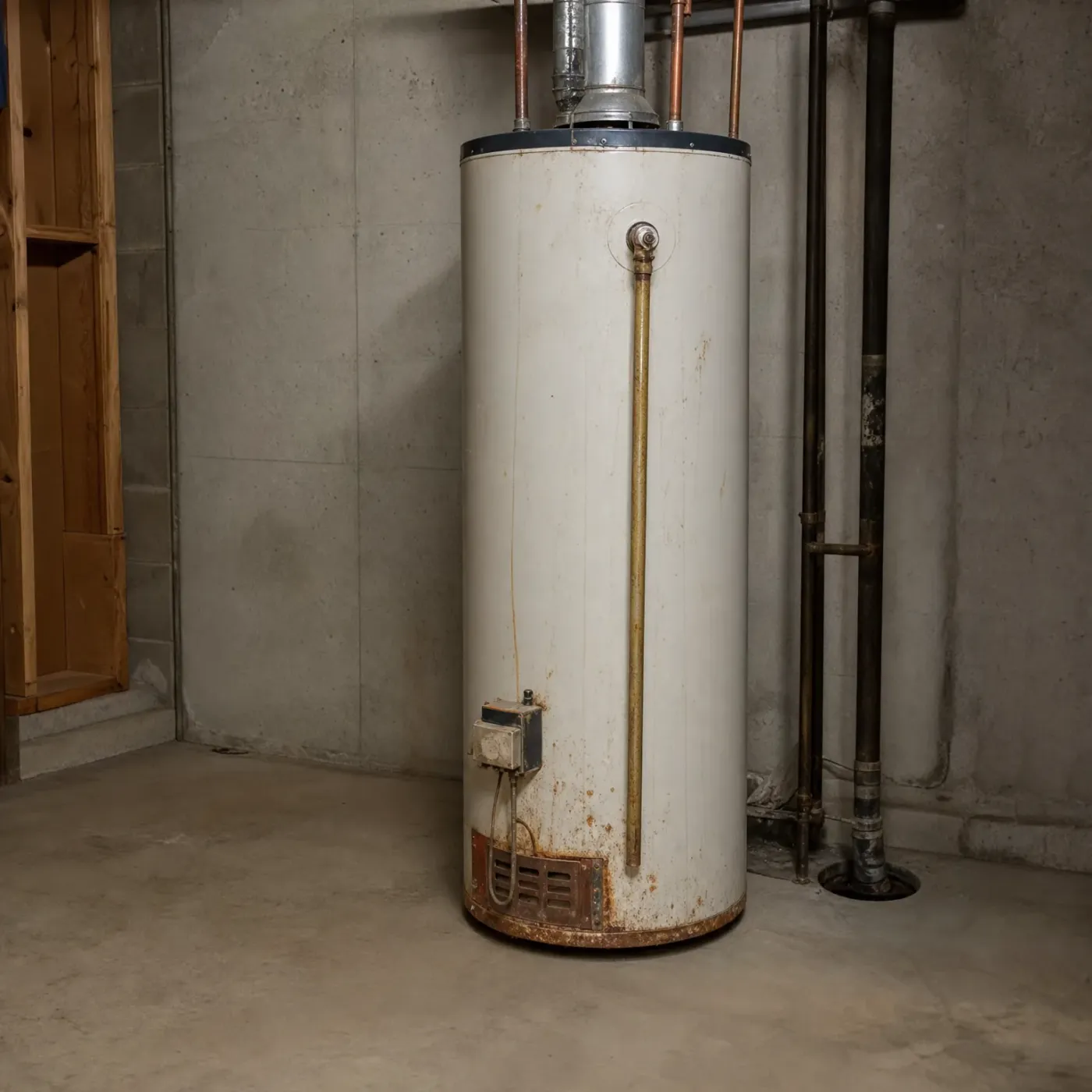
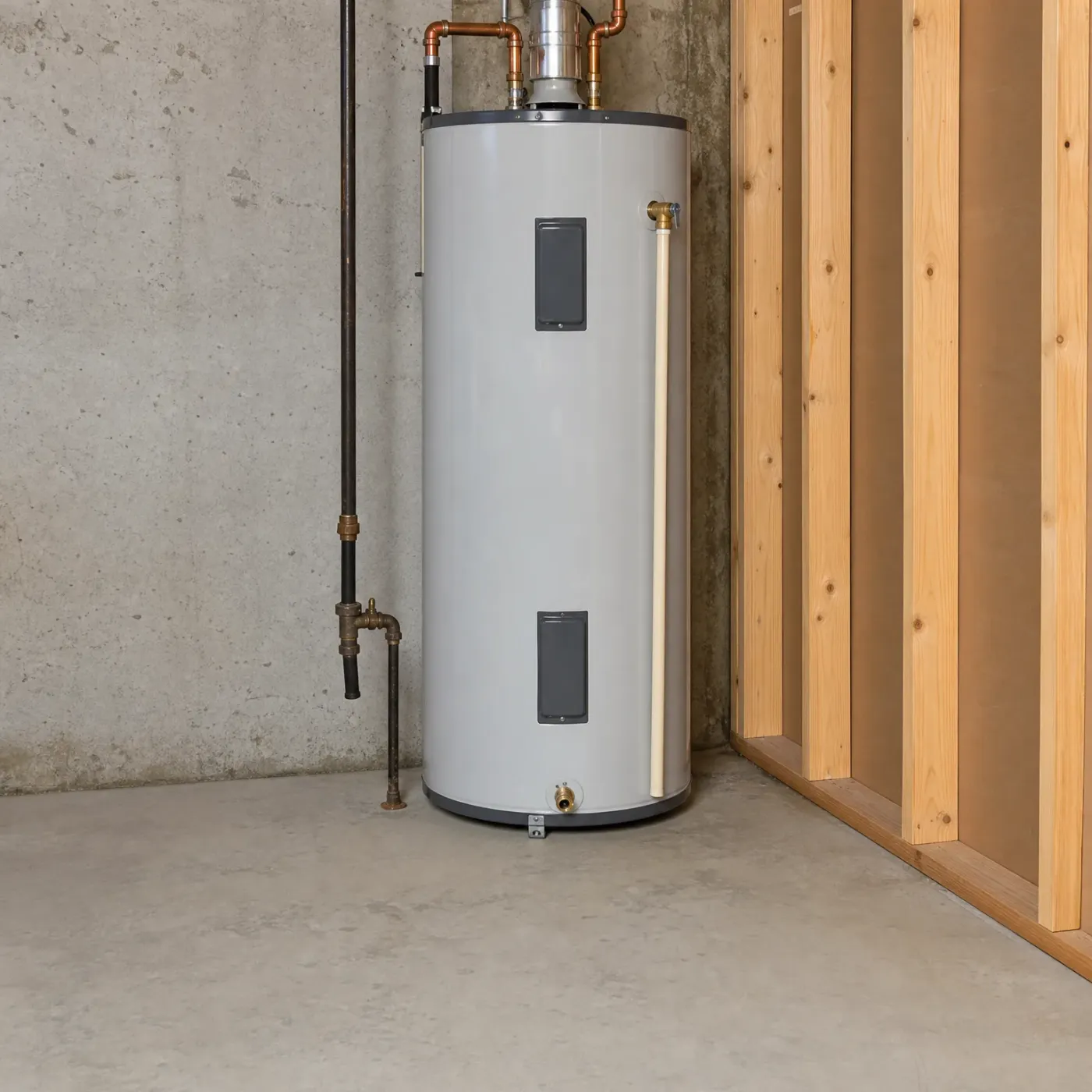
The dial on top of a gas water heater controls a thermostat that sits against the outside of the tank. It never touches the water directly, so what the dial says and what comes out of the tap can pull apart from each other as the tank ages. Underneath, a burner fires when the thermostat calls for heat, and a thermocouple or flame sensor has to confirm a steady flame before the gas valve stays open. If that sensor gets dirty or starts to fail, the burner can shut down early and leave the water short of the mark no matter where the dial is turned. Sediment working its way to the bottom of the tank adds another layer between the burner and the water above it, so the burner has to run longer to do the same job, and the dial setting stops meaning what it used to. The pressure relief valve keeps working through all of this, venting off pressure if heat ever builds past what the tank can hold, which it can do at 120 degrees same as any other setting. None of this shows up by looking at the dial. It shows up by running the tap long enough to clear the line and checking what actually comes out. And after any power outage, the gas valve's pilot needs to be relit by hand. It has no power of its own to restart.




Matched to your water heater job
A dial that reads hot doesn't tell you what's coming out at the tap, and that gap tends to grow instead of shrink. Checking it yourself means draining a cup of water, waiting on a thermometer, and doing the math on how much to turn the dial, then checking again to see if it held. A maintenance visit settles the actual temperature against the dial, flushes the sediment that builds up on the bottom of a gas tank and throws the reading off further, and checks that the thermocouple is still sensing the flame the way it should. Nebraska winters push a water heater hard for months at a stretch, and a tank that's drifted out of adjustment is working harder than it needs to the whole time. Getting it looked at now, before the cold sets in fully, means one less thing to track down later.

Gas burner fires beneath the tank to heat the water inside.
Thermostat on the tank's outside senses water temperature through the wall.
Burner shuts off once the thermostat reads the set temperature.
Hot water rises to the top and feeds out to the tap.
59.2% of homes statewide heat with gas
With most Nebraska homes running gas water heaters, the thermostat sits outside the tank instead of in the water, so that dial drifts further from the real tap temperature as the years go by. A yearly check keeps the two matched up.
ACS 2020-2024 5-year B25040
Sediment settles at the bottom of a gas tank first, right where the burner fires, and it insulates the water from the heat before the thermostat ever feels it.
The thermostat reads what the water near it is doing, so it keeps firing to chase a temperature the rest of the tank already reached.



120 degrees, checked at the tap, not guessed at the dial
That's the number to aim for. A gas water heater can hold it fine for years, but the dial on the tank and the water coming out of the faucet start to disagree as sediment builds up and the thermostat reads less and less of what's actually happening in the water. The only way to know where your tank really stands is to check, not to guess from a dial marked warm, hot and very hot.
If you'd rather not drain a cup and stand there with a thermometer yourself, that part doesn't have to fall on you. Sending in your information connects you with a contractor working in your area who can look at your specific tank, check where it actually sits against 120 degrees, and take it from there. You don't have to track down who to call or figure out the right questions to ask them.


Water Heater Maintenance
A water heater pro near you

- A local pro who knows water heaters gets your details and gets in touch.

- Send the form and the water heater tune-up stops being something to remember.
- One request and finding someone for the tune-up is handled.

- Fill out one form instead of calling around for a water heater tune-up.
- Skip calling around to set up a water heater tune-up.

- A licensed local pro takes the request for your water heater tune-up.
- The pro who reaches out is licensed in Nebraska.