Tell us about the job
Takes about a minute. No obligation.

Gas water heaters run every day of the year, but the burner, thermocouple, and ignition system do the hardest work and give out first. Utility gas heats more occupied homes in Kimball County, Nebraska than any other fuel, at 51.4% (2020-2024 ACS 5-year). A contractor diagnosing a failed or underperforming unit in this county starts at the burner assembly and the gas valve, because those components accumulate wear in direct proportion to how much the unit fires. Sediment in the tank and a corroding anode rod come next. Venting and combustion air also get checked, since a gas appliance in a tight home can starve itself quietly over time.
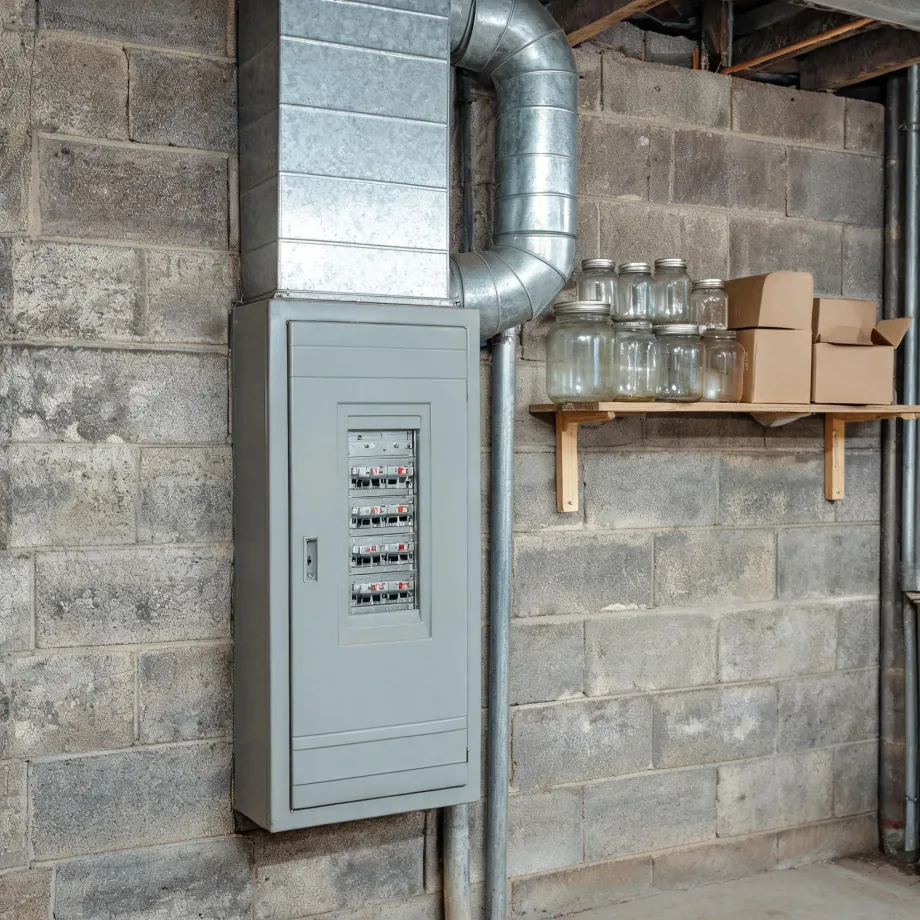
Half the homes in Kimball County, Nebraska were built in 1952 or earlier (2020-2024 ACS 5-year). A water heater sitting in a house that old is rarely the only thing a contractor has to account for. The venting path, the supply lines, and whatever past repairs left behind all bear on what the job actually is once the access panel comes off. Parts for the unit are one question; what the surrounding installation turns out to be is another, and in stock like this the two questions do not always have the same answer.
The Parts of a Water Heater a Contractor Checks First
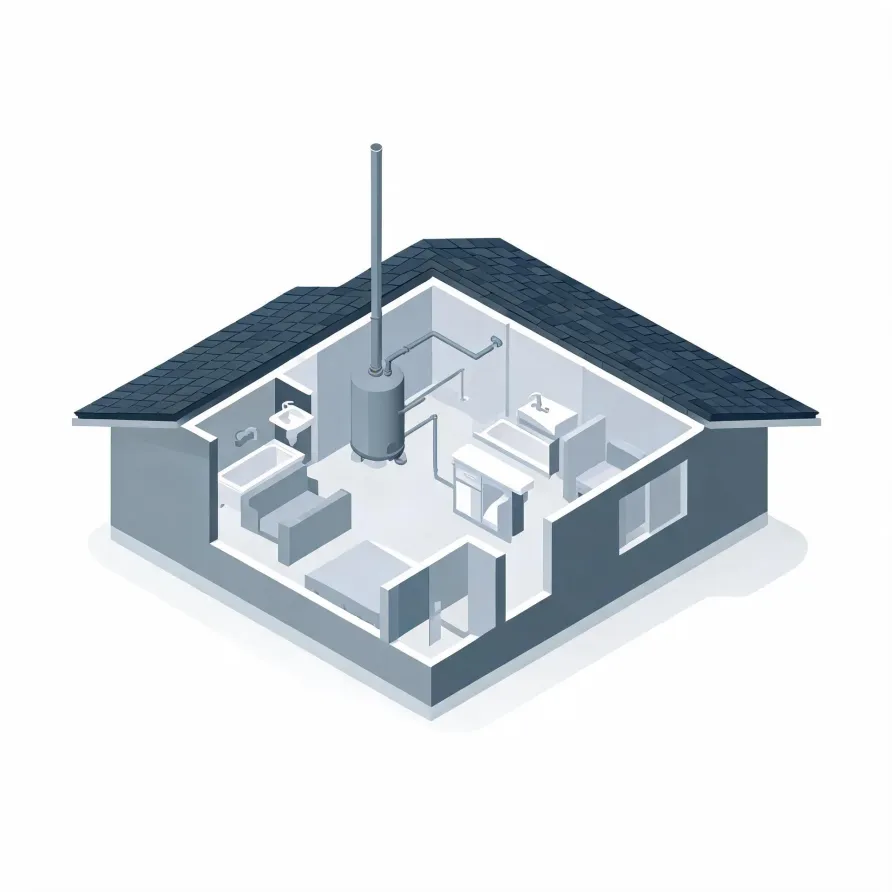
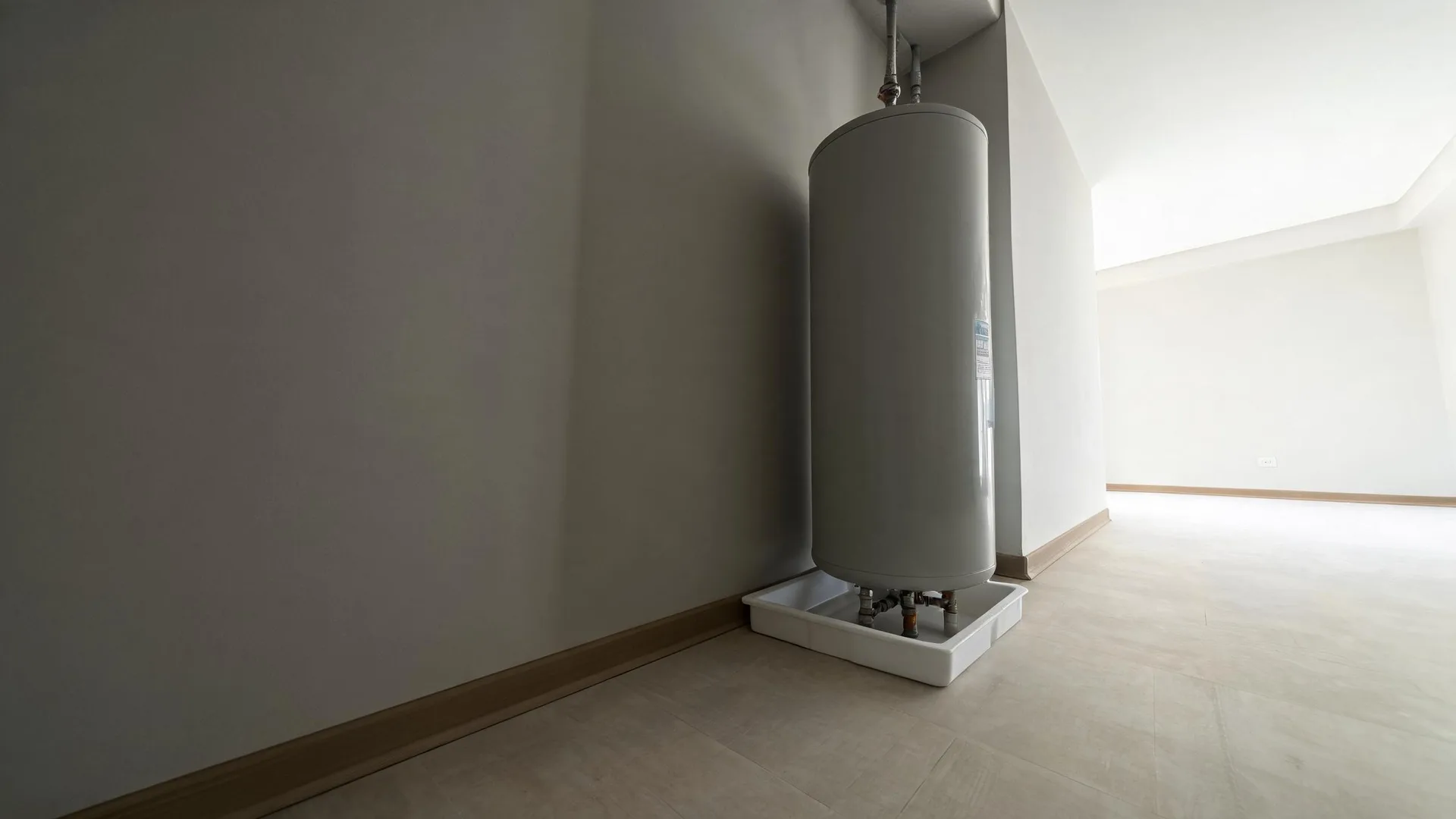
The tank is the piece most homeowners know: a large insulated cylinder that sits in the basement, utility room, or garage and holds a standing supply of hot water. On a gas unit, the burner assembly at the base is where combustion happens, and a failed thermocouple or clogged burner is often where a contractor looks first when the water runs cold.
The anode rod runs down through the tank interior and slows corrosion from the inside out. The pressure relief valve mounts on the tank's side or top and is a common source of leaks and drips. Supply and discharge pipes connect at the top, and the flue or exhaust vent runs upward from a gas unit to carry combustion gases out of the house.
The drawing shows the general layout of these components, and a licensed contractor determines exactly what applies to the unit in your home.
Get matched in Kimball CountyKimball County, by the numbers
155 severe weather events were recorded in Kimball County, Nebraska between 2015 and 2024.
NOAA National Centers for Environmental Information, Storm Events Database, bulk CSV export, events 2015-01-01 through 2024-12-31.Half the homes in Kimball County, Nebraska were built in 1952 or earlier (2020-2024 ACS 5-year).
U.S. Census Bureau, 2020-2024 American Community Survey 5-Year EstimatesKimball County, Nebraska holds 1,782 housing units (2020-2024 ACS 5-year).
U.S. Census Bureau, 2020-2024 American Community Survey 5-Year EstimatesOwners occupy 75.2% of the occupied homes in Kimball County, Nebraska (2020-2024 ACS 5-year).
U.S. Census Bureau, 2020-2024 American Community Survey 5-Year EstimatesCodes & Standards Governing Water Heater Repair in Kimball County, Nebraska1 sourced rules and standards
Licensing Rules for HVAC Repair in Kimball County, Nebraska
Nebraska requires registration rather than a licence: a contractor must be registered with the Department of Labor before performing any construction work, though anyone earning less than five thousand dollars a year from construction services is not a contractor under the Act at all.
Severe Weather Events in Kimball County
Water heaters work harder when outdoor conditions swing hard, and recovery time, sediment stress, and pressure fluctuations all track with local weather patterns. Kimball County's climate shapes the wear that builds up in a tank over time, which is why the record of severe events here is a practical reference for repair decisions.
155 severe weather events, 2015–2024. Source: NOAA National Centers for Environmental Information, Storm Events Database.