Water heater pilot light keeps going out in Nebraska

Send the request today and stop worrying about who to call.

Step 1 of 3: Equipment

A pilot that won't stay lit usually comes down to a thermocouple that's worn out or sitting out of position. That's the small copper rod next to the flame, and its job is to tell the gas valve the pilot is burning. Once it wears out, it cools fast and shuts the gas off even though the flame is still going, so the pilot looks like it's dying on its own. A draft pulling across the burner chamber can do the same thing, which matters if the heater sits near a crawlspace vent or a door that doesn't seal well. Sediment in the gas line or a failing gas valve can cause it too, though that's less common. None of these fix themselves, and relighting the pilot over and over without finding the cause just means it goes out again. Most of these are quick for a licensed plumber to diagnose, since the fix depends on which part is actually failing.

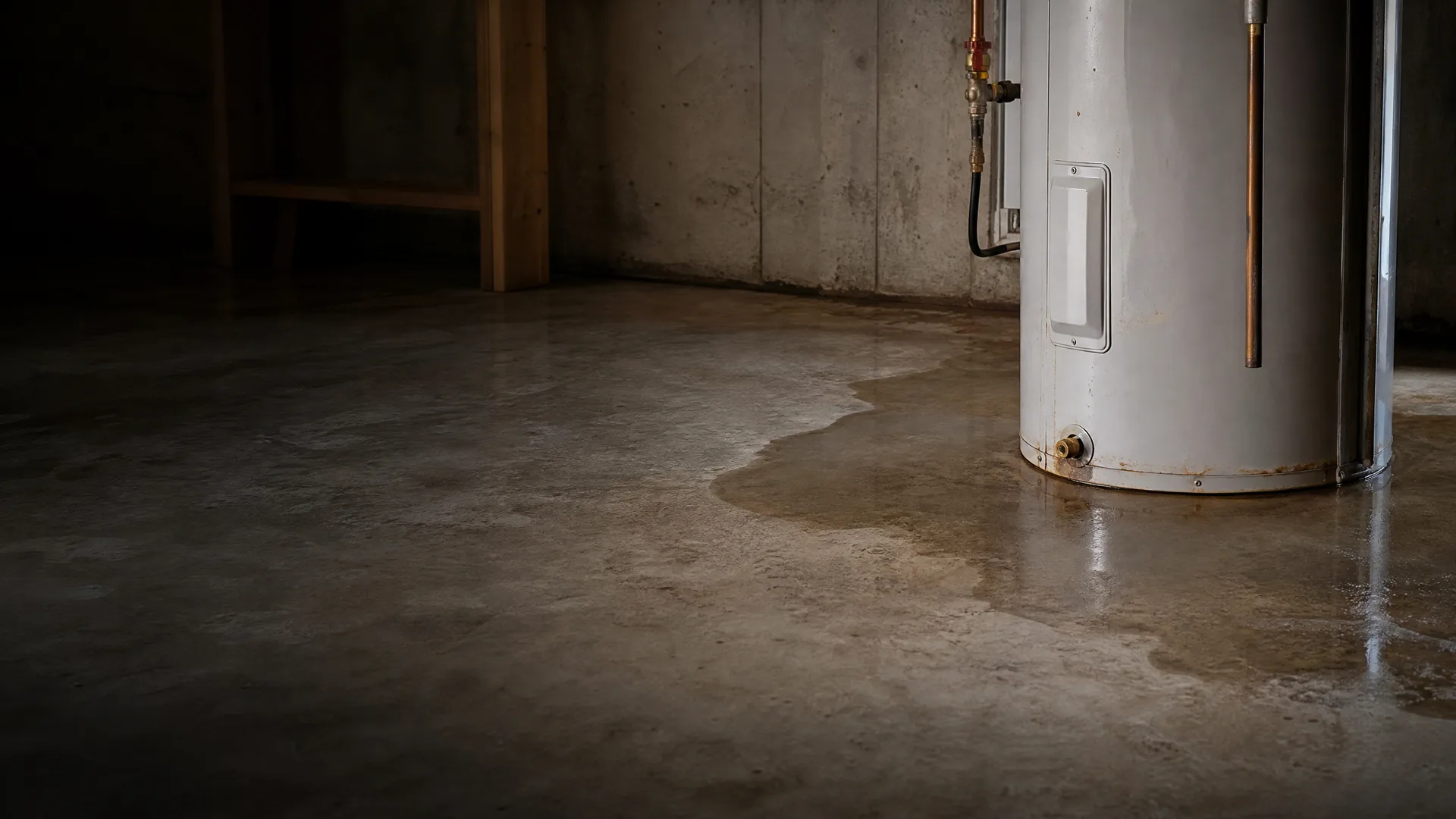
A white cylindrical water heater with copper pipes stands against a concrete basement wall, with water pooled across the surrounding concrete floor.

Saturday morning, and you're down in the basement looking for the water softener salt when you see it: a thin ring of water spreading out from the base of the tank. The pilot's out again, third time this month, and now this. You crouch down and feel the floor, cold and wet past the edge of the tank. No hiss of gas, no burnt smell, just water finding the drain in the concrete. You stand there a second, thinking about the softener bags still in your hand, about whether this is the thermocouple finally done for good or something lower down in the tank itself.
Relight It Or Call Someone

Relight it yourself

  • If the thermocouple is just out of position, holding the pilot button down longer or bending the rod closer to the flame sometimes gets it to hold.
  • It costs you nothing but your evening, and it tells you whether the problem is simple or not.
  • A thermocouple that's actually worn out will not hold no matter how many times you relight it.
  • You're working around an open flame and gas in a basement that may already have standing water on the floor.
  • If it goes out again within a day or two, you've spent the evening and you're back where you started.

Get a tech out

  • A worn thermocouple gets swapped for a new one, and a gas valve that's gone bad gets diagnosed instead of guessed at.
  • Sending the form once means you stop calling around Omaha or Lincoln plumbers and comparing who can come out this week.
  • You explain the pilot problem one time, to one person, instead of repeating it to every contractor you ring up.
  • Someone who works on gas valves daily can tell a thermocouple issue from a gas valve issue in the time it takes to look.
  • Water pooling at the base of the tank alongside a pilot that won't hold points toward a problem relighting won't fix.
  • Once it's handed off, the search for who's available and when stops being something you have to track yourself.
A smiling bearded man in a dark green hooded jacket and blue t-shirt sits on a couch in a living room with shelves, a potted plant, and a bowl of popcorn on a wooden table.
A smiling man in a green long-sleeved shirt sits on a beige sofa in a living room, with a bowl of popcorn in the foreground, a large potted plant and shelving behind him.
A smiling man in a dark blue T-shirt sits on a couch in a dimly lit living room with a bowl of popcorn and a remote on a wooden table, a lit floor lamp and bookshelves behind him, and windows showing greenery.
A smiling bearded man in a dark green long-sleeved shirt sits on a leather couch in a living room, with a bowl of popcorn and a remote control on a wooden table in the foreground.

The thermocouple only works if it sits right in the flame, close enough to heat up in a few seconds. That heat is what tells the gas valve to stay open. Move the rod even a little, or let soot build up on the tip, and it takes longer to heat, so the pilot lights but drops out later instead of right away. A draft can do the same thing from a different angle, pulling the flame off the tip just enough that it cools between gusts. Sometimes bending the rod back into place buys you some time, but if the tip is cracked or corroded, it won't hold no matter how close you get it. Older tanks sometimes use a pilot generator instead of a thermocouple. It does the same job and fails the same way, but it has to be matched to the tank, not swapped for whatever's on the shelf. Either way, the gas valve is only reacting to the signal it gets. If that signal is weak or late, the valve shuts the gas off, and the pilot goes out again.

Why the Pilot Won't Hold

  • The thermocouple sits a quarter inch or less from the pilot flame, and that distance decides whether it heats up fast enough to hold the gas valve open.
  • A gas valve reads one thing from the thermocouple, a small electrical signal, and it shuts the gas off within seconds if that signal drops.
  • Soot or a film of residue on the thermocouple tip slows how fast it heats, so the pilot can light fine and still drop out later.
  • A draft from a cracked vent pipe or a door left open nearby can pull the pilot flame away from the thermocouple just enough to lose contact.
  • Bending the thermocouple back toward the flame sometimes solves it for a while, but a rod that's cracked or corroded at the tip needs swapping out.
  • Some older tanks use a pilot generator instead of a standard thermocouple, and that part fails the same way but has to be matched to the tank.
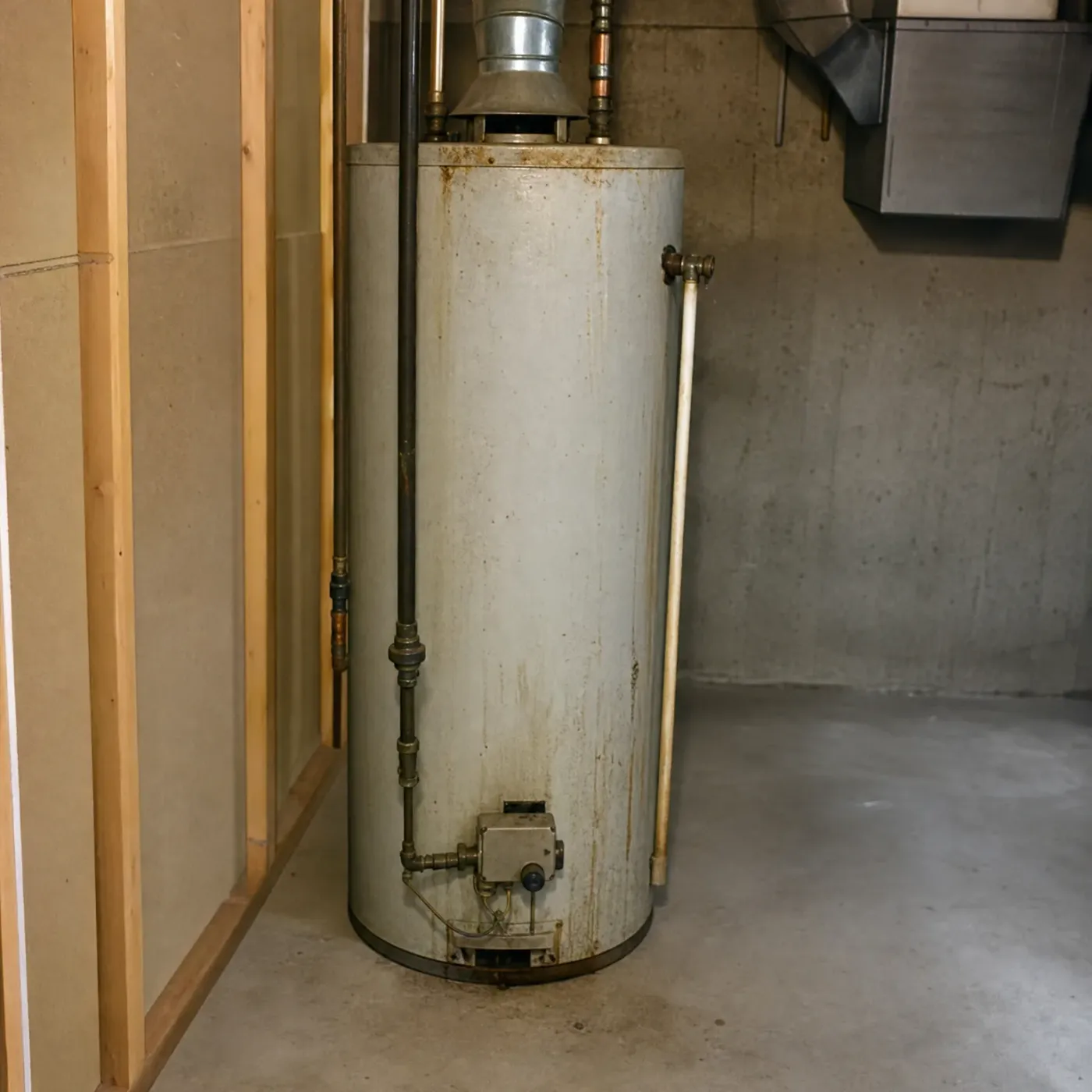
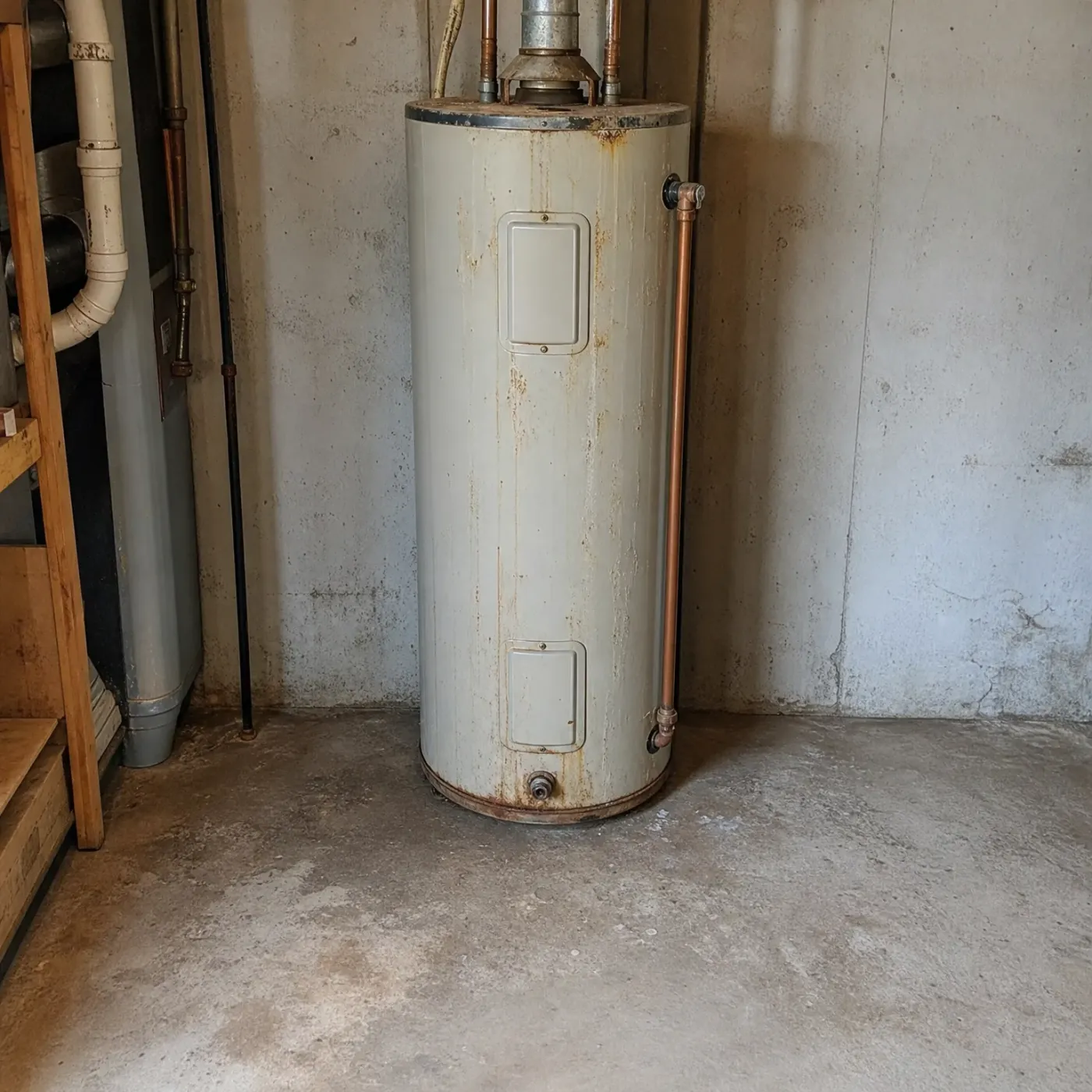
An old rusting gas water heater with flue pipe and connected plumbing stands on a concrete floor in a basement corner beside an unfinished wood-framed wall and a metal duct.
Before you get your water heater repair
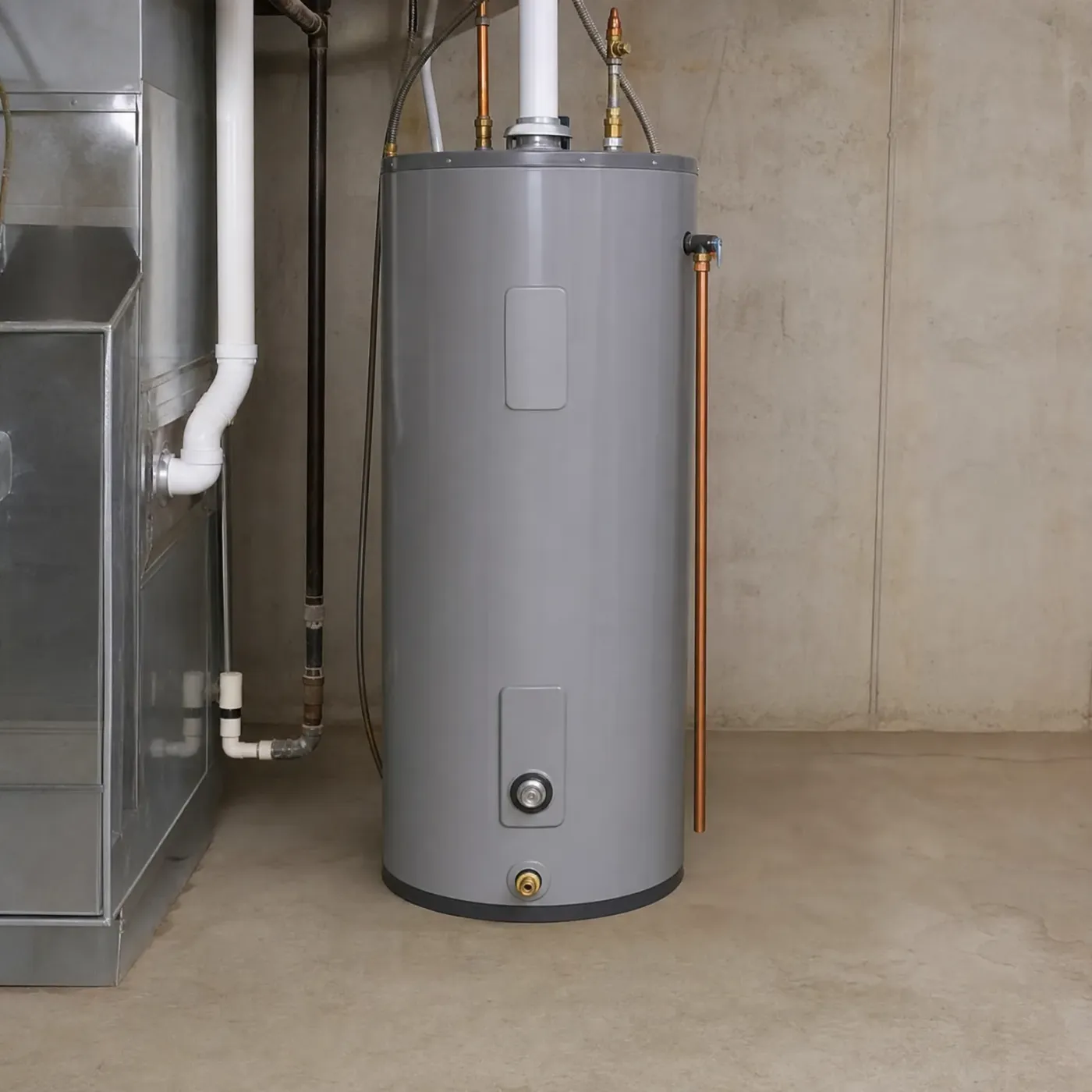
A gray cylindrical water heater stands on a concrete floor against a concrete wall, with copper and white pipes above it and a metal ductwork unit to the left.
After you get your water heater repair

Hand off the search today

Explain the job once and skip repeating it on every call.

Asking costs nothing, and the choice to hire stays yours.

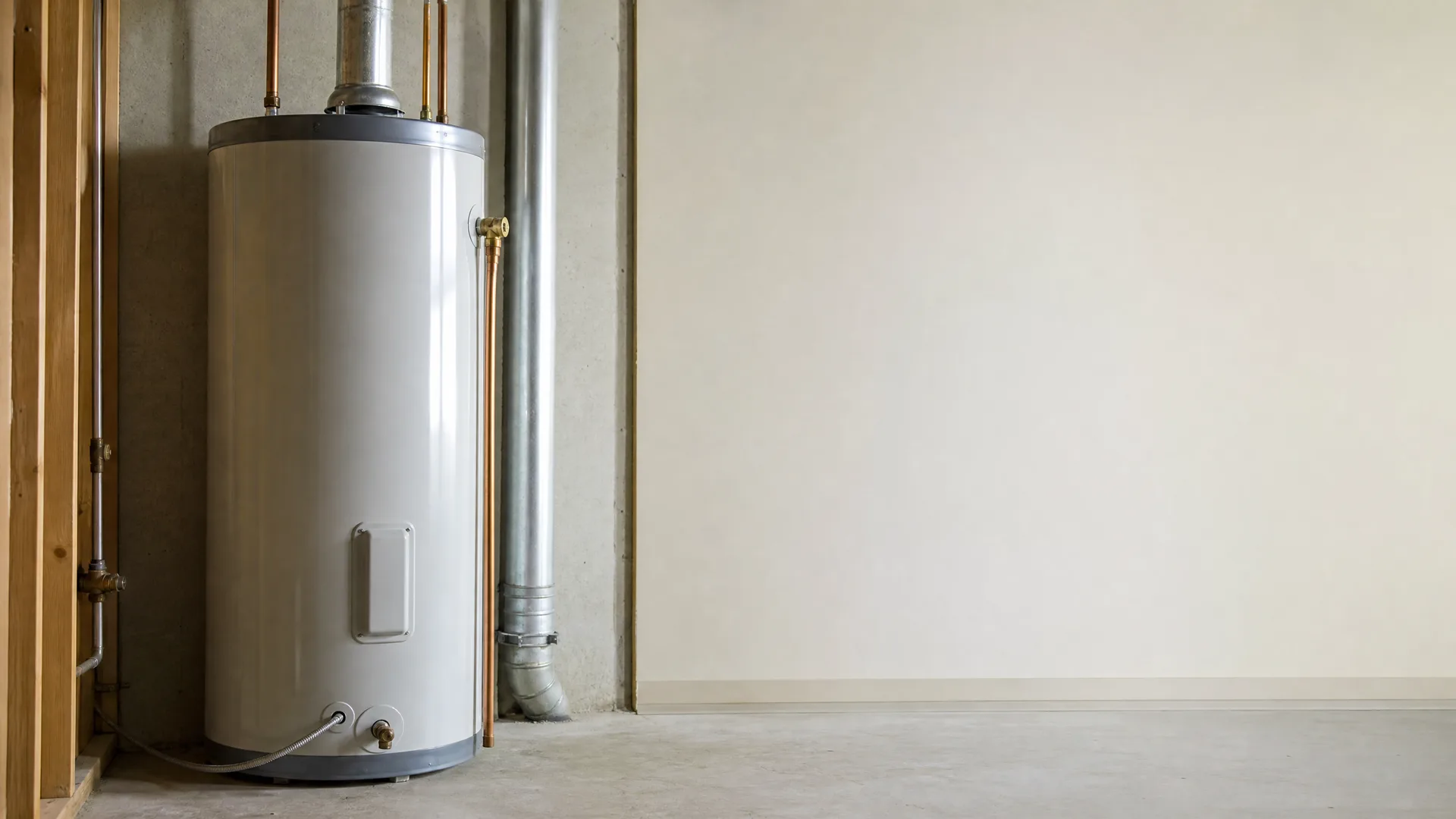
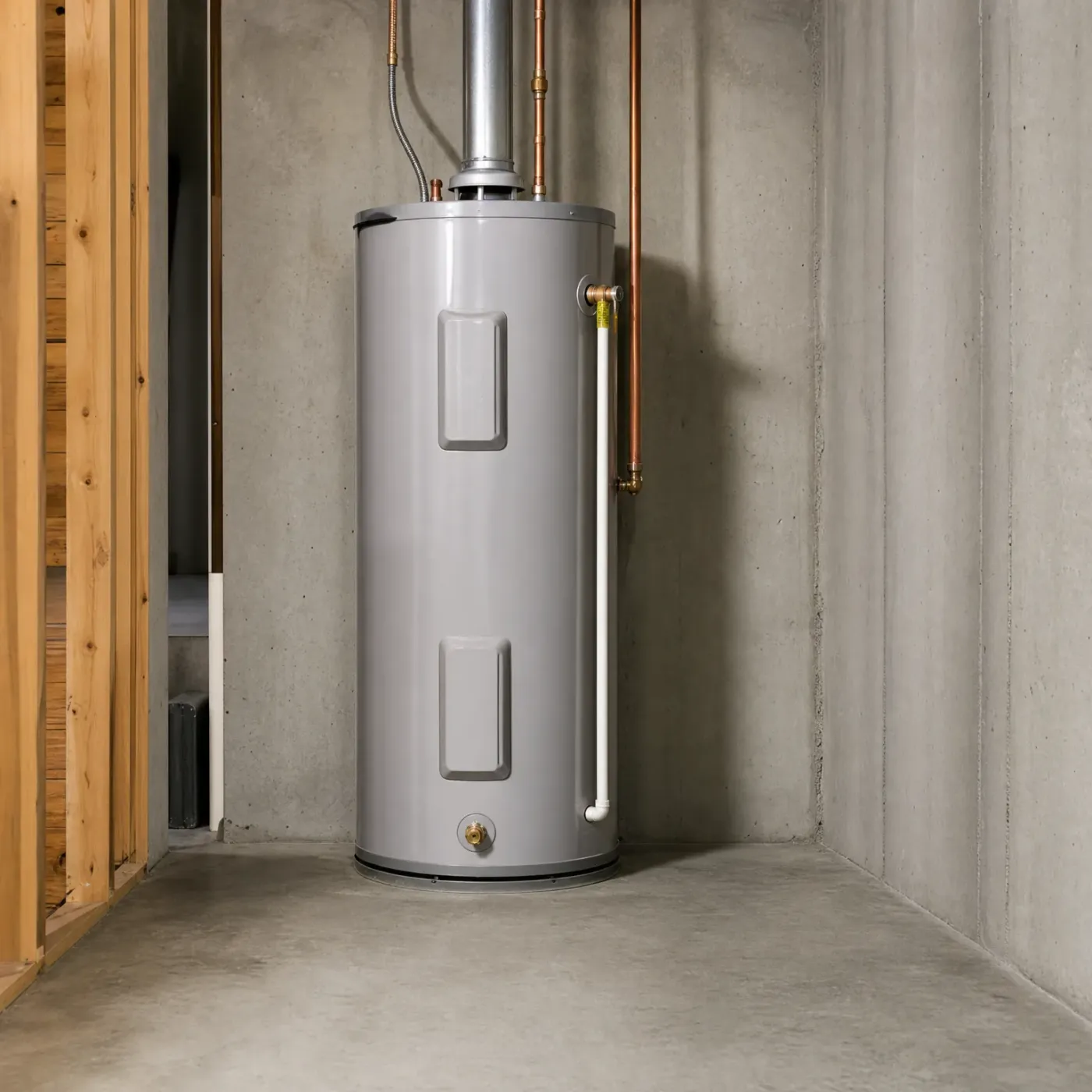
A white cylindrical water heater with copper pipes and a metal flue stands in the corner of an empty room with bare concrete floor, wood framing at left, and a plain light-colored wall.

What a bad thermocouple costs you

A thermocouple that's failing doesn't always quit outright. Some days it holds the pilot, some days it doesn't, and you won't find a pattern because there isn't one to find. Gas is cheap here, so the water heater itself isn't running up your bill. What it's costing you is cold showers on the mornings it decided not to light, and another evening spent back down in the basement with a lighter.

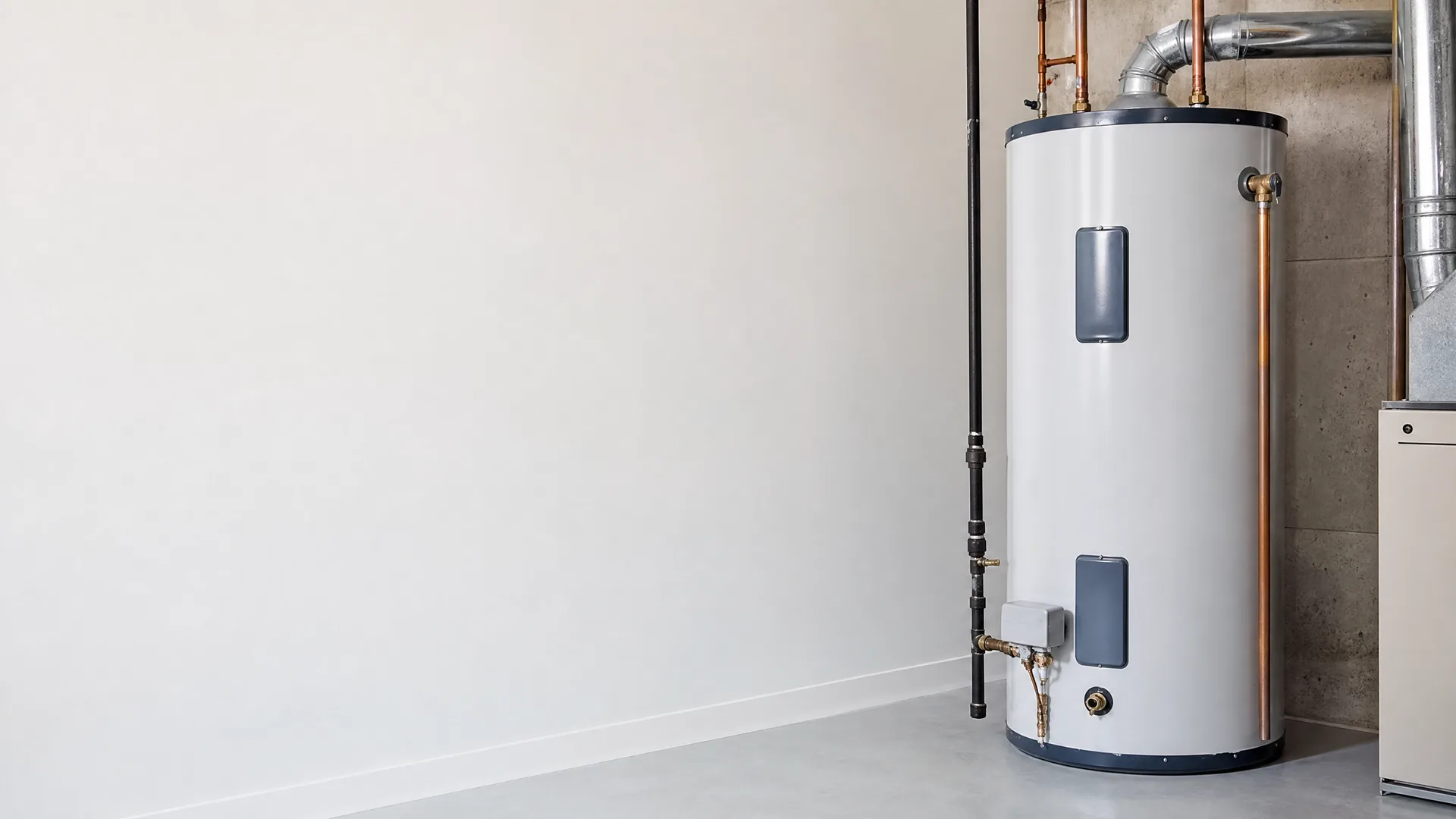
A white cylindrical water heater with copper and black pipes stands against a plain white wall on a gray floor, beside a concrete wall and metal ductwork.

Why the fix is quick

Replacing a thermocouple means shutting off the gas, disconnecting the old rod from the gas valve, and running the new one to the same spot near the pilot flame. There's no refrigerant to recover, no ductwork to open up, no wiring to trace through the house. It's one part, one connection, and a pilot that lights and stays lit. Most of the time spent on this job is diagnosis, not the swap itself.

59.2% of homes statewide heat with gas

Most houses around you run on gas, and yours probably does too, which means the pilot you're dealing with isn't some rare setup. Parts for it are common and any plumber who works in Nebraska has relit dozens like it.

ACS 2020-2024 5-year B25040

A gray cylindrical water heater standing in a concrete-walled basement corner, with copper and white pipes and a metal flue running up to the ceiling, next to exposed wood framing on the left.

Working the way it should

A water heater like this holds steady: pilot lit, flue drawing, the relief valve dry. Copper lines stay tight and clean. When the thermocouple is seated right, the pilot stays lit through the night and comes back the same every morning.

A rusted cream-colored water heater with copper piping and a flue stands in the corner of a concrete-walled basement next to wooden shelving and ductwork.

What years of a bad pilot leave behind

Rust spreads across the tank jacket, not just the fittings. A pilot that keeps dying is a symptom, but the tank itself can be failing too. Corrosion like this means a call for repair is also a chance to find out if the tank underneath still has years left in it.

A closed dark laptop and a ceramic mug of coffee on a wooden dining table, with wooden chairs, a dark kitchen cabinet with cutting boards and a potted plant, and a leafy plant by a window in the background.

A pilot that won't hold is a thermocouple problem, not a mystery

The thermocouple wears out or slips out of place, and the pilot quits. That's the whole story behind the relighting, the water you found on the floor, the nights you've spent checking on it. A plumber can confirm which one it is and put in a new thermocouple if that's what it needs.

Right now the work ahead of you is finding someone in Nebraska who'll actually show up, calling around to compare what they quote, and explaining the same pilot light story to each one. Send the form once and that part is done. You'll have a plumber lined up without doing the sorting yourself, and your evenings go back to being yours.

A living room corner with a beige sofa and cushion, a round wooden coffee table holding a pale ceramic vase of eucalyptus stems and a wooden bowl, and a curtained window with a potted plant above a latticed radiator cover in the background.
A woman in a dark gray sweater reclines on a light sofa with eyes closed and a slight smile, under a textured gray blanket with an open book resting on her lap, with a lit table lamp and plant in the background.
A smiling bearded man in a navy crewneck sweater sits at a dinner table with a glass of red wine, plates and glasses in the foreground, in a dimly lit room with a lamp and framed picture behind him.

Stop chasing a water heater pro

A thermocouple that keeps failing isn't something to keep fighting alone. Instead of relighting the pilot every few nights, calling around for a plumber, and explaining the same problem over and over, send this and let someone else carry that part. A licensed Nebraska plumber gets matched to you, shows up knowing what a pilot like yours usually needs, and has the part on hand. You stop managing it and start waiting for it to be fixed.

Hand it off

Skip searching for a water heater pro and answer a few questions instead.

No fee to send it, and nothing to sign.