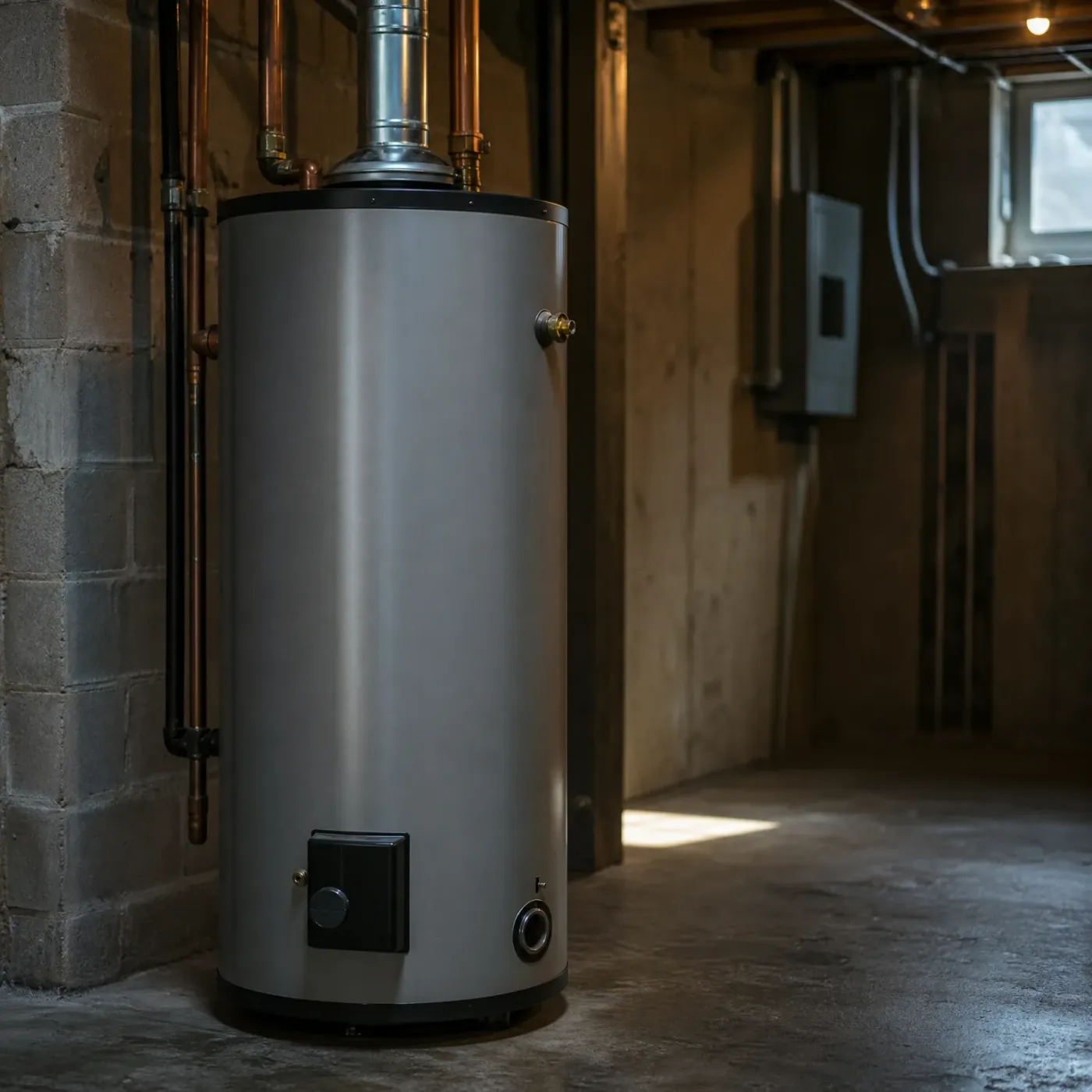
A gray cylindrical gas water heater with a metal flue pipe and copper supply lines stands against a concrete block wall in a dim basement with a concrete floor and a small window.

Hand off the water heater problem

Water heater making popping noises in Lincoln, NE

Popping or rumbling from a water heater usually means sediment has built up on the bottom of the tank, trapping water underneath that turns to steam as the burner or element heats it. This page walks through why that happens and what it means for a tank here in Lincoln. Send the form below and a local contractor who handles this kind of repair takes it from there.

Let a pro reach out

That popping or rumbling sound is water trapped under a layer of sediment at the bottom of the tank. As the burner or element heats the tank, that trapped water turns to steam and the bubbles force their way up through the sediment, which is what you're hearing as popping or cracking. It builds up over years as minerals settle out of the water, and Lincoln's water leaves more of that behind than soft water would. The noise by itself isn't dangerous, but the sediment layer sits between the burner and the water it's supposed to heat, so the heater works harder and takes longer to recover, especially once Lincoln's cold tap water runs through it all winter. Left alone, that layer keeps growing, and it can scorch the bottom of a gas tank or burn out the lower element in an electric one. A tank doing this has likely gone a long time without being flushed, and a licensed plumber can tell from the sound and the heater's age whether flushing it will quiet things down or whether the tank itself is already wearing out underneath.

A middle-aged man with grey hair and a beard, wearing a grey knit sweater, sits on a light sofa in a sunlit living room with a houseplant, wooden cabinet and framed landscape picture behind him.
A man with greying hair and a beard in an olive sweater sits on a sofa in a living room, looking to his left, with an armchair, round side table and large glass doors onto trees behind him.
A gray-haired bearded man in a dark blue shirt over a white t-shirt sits on a leather sofa in a living room with built-in shelves, a floor lamp, an armchair and large windows, looking off to the side.
A man with gray-brown hair and stubble in a dark sweater sits on a light-colored sofa in a living room, looking off to the side, with a houseplant, framed picture, shelving and a sunlit window behind him.

Lincoln's water is hard, and the minerals in it don't stay dissolved forever. Over a few years they settle to the bottom of the tank as sediment, and nothing about that process gives you a warning before the popping starts. On a gas water heater, that layer sits right over the burner, so it has to heat through before the water above it can. On an electric tank, the lower element is actually down in the sediment, which is why electric tanks sometimes start popping sooner than gas ones do. Either way, the sound itself is steam. Water gets trapped under the sediment, turns to steam as the burner or element keeps firing, and breaks loose in pockets that push up through the buildup. That's the pop. The thicker that layer gets, the longer the burner or element runs just to bring the water up to temperature. And if it's been popping for months already, the sediment underneath is usually packed in tight enough that a quick drain at the bottom of the tank won't clear it.

Why Sediment Makes That Sound

  • Lincoln's water runs hard enough that minerals settle out of it fast, so sediment builds up in the tank over a few years without any warning sign.
  • Sediment sits on the bottom of a gas tank right where the burner fires, so that layer has to heat through before the water above it does.
  • On an electric tank the lower heating element sits inside the sediment itself, which is why the popping can start sooner than it does on gas.
  • Each pop is a pocket of steam breaking loose and pushing up through the sediment, not air or a leak inside the tank.
  • The more sediment that builds up, the longer the burner or element has to run to get the water up to temperature.
  • A tank that's been popping for months usually has sediment packed solid enough that flushing it loose takes more than a quick drain.
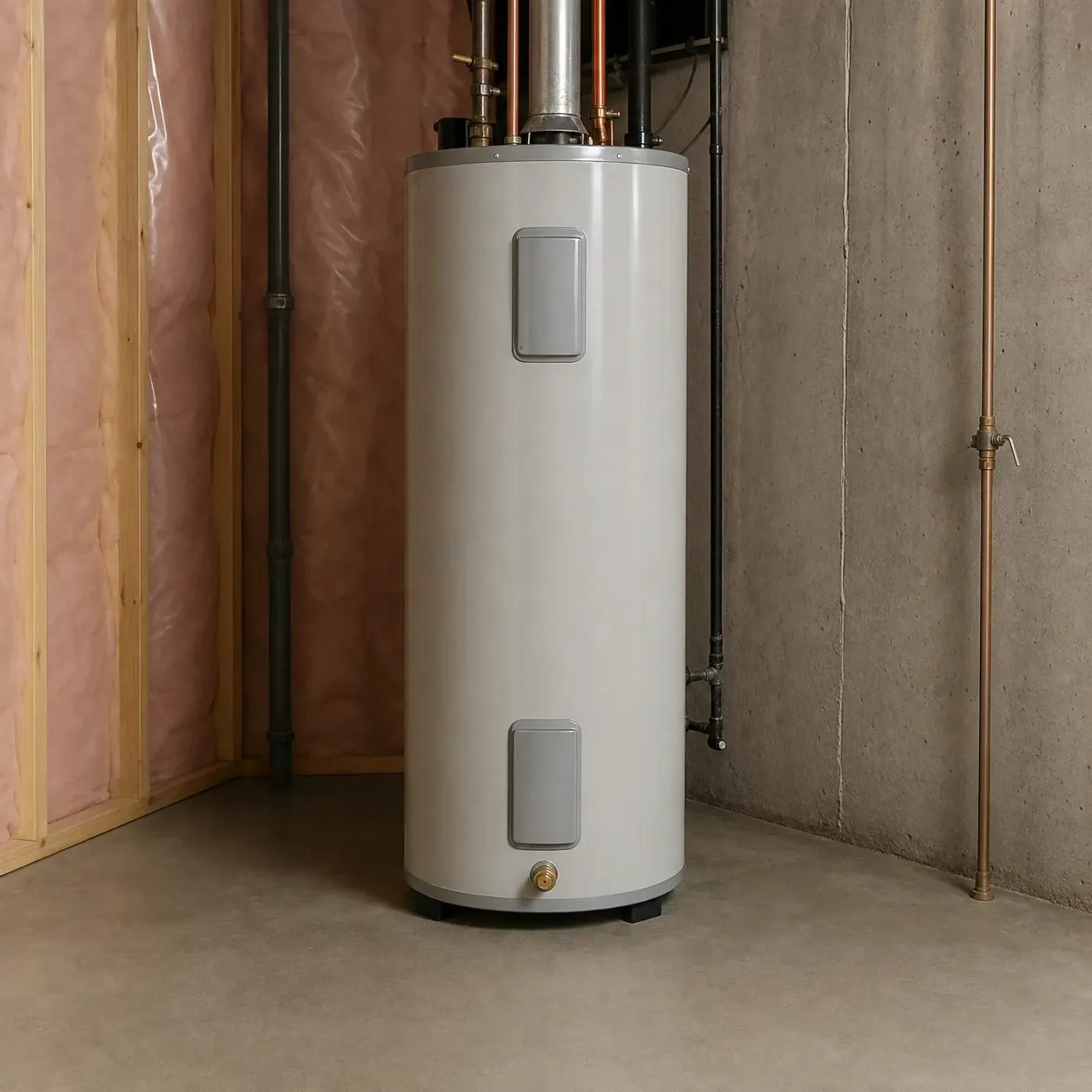
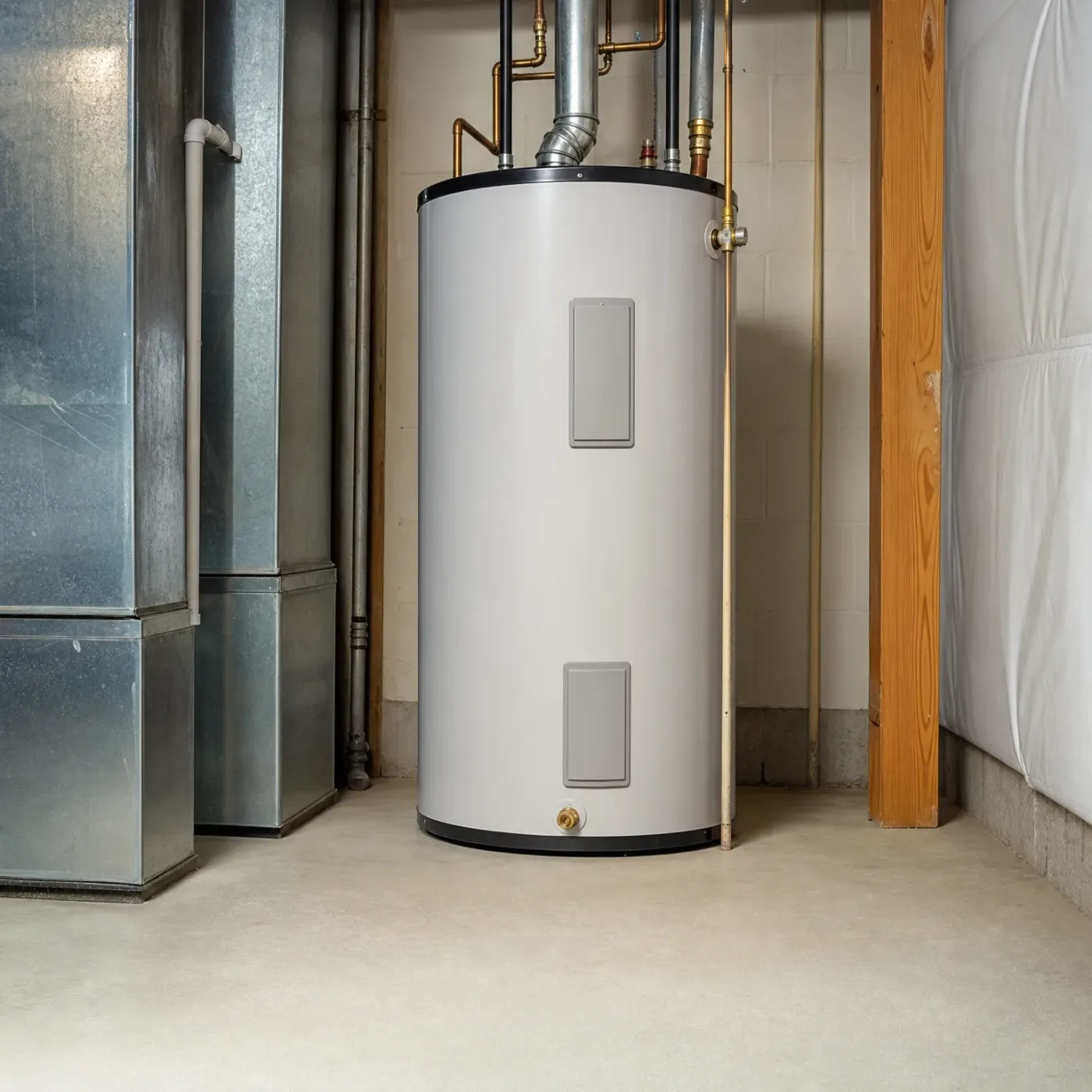
A white cylindrical water heater with two access panels and a brass drain valve stands on a concrete floor in a basement corner, beside a pink-insulated stud wall and a concrete wall with copper and black pipes.
A little popping like this is normal once sediment starts to collect, and the tank still heats evenly.
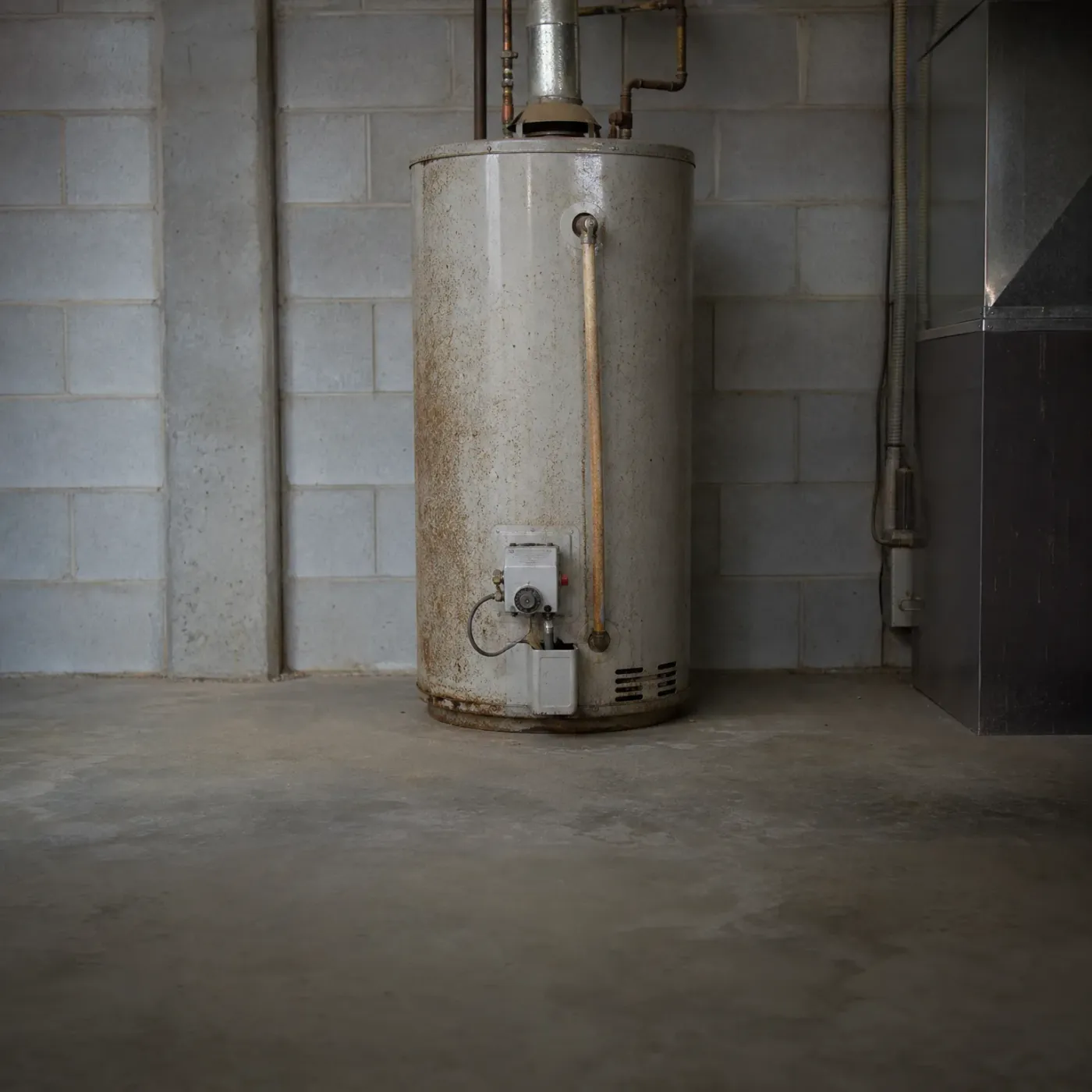
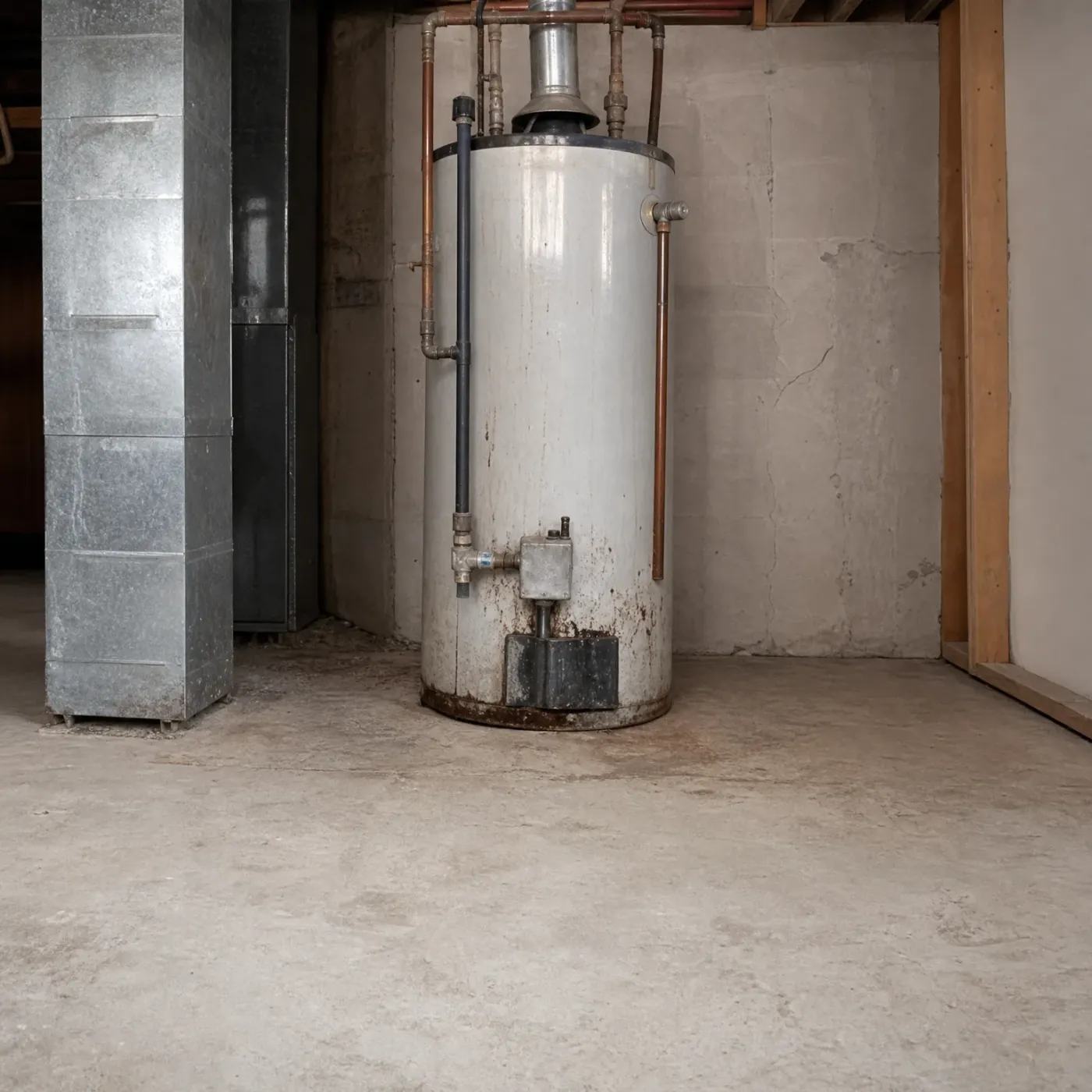
A rusted gas water heater with a flue pipe stands against a concrete block wall on a bare concrete floor, next to a dark metal duct or furnace cabinet at right.
Rust like this on the tank and the pipes means the popping has company, and the tank is closer to failing.
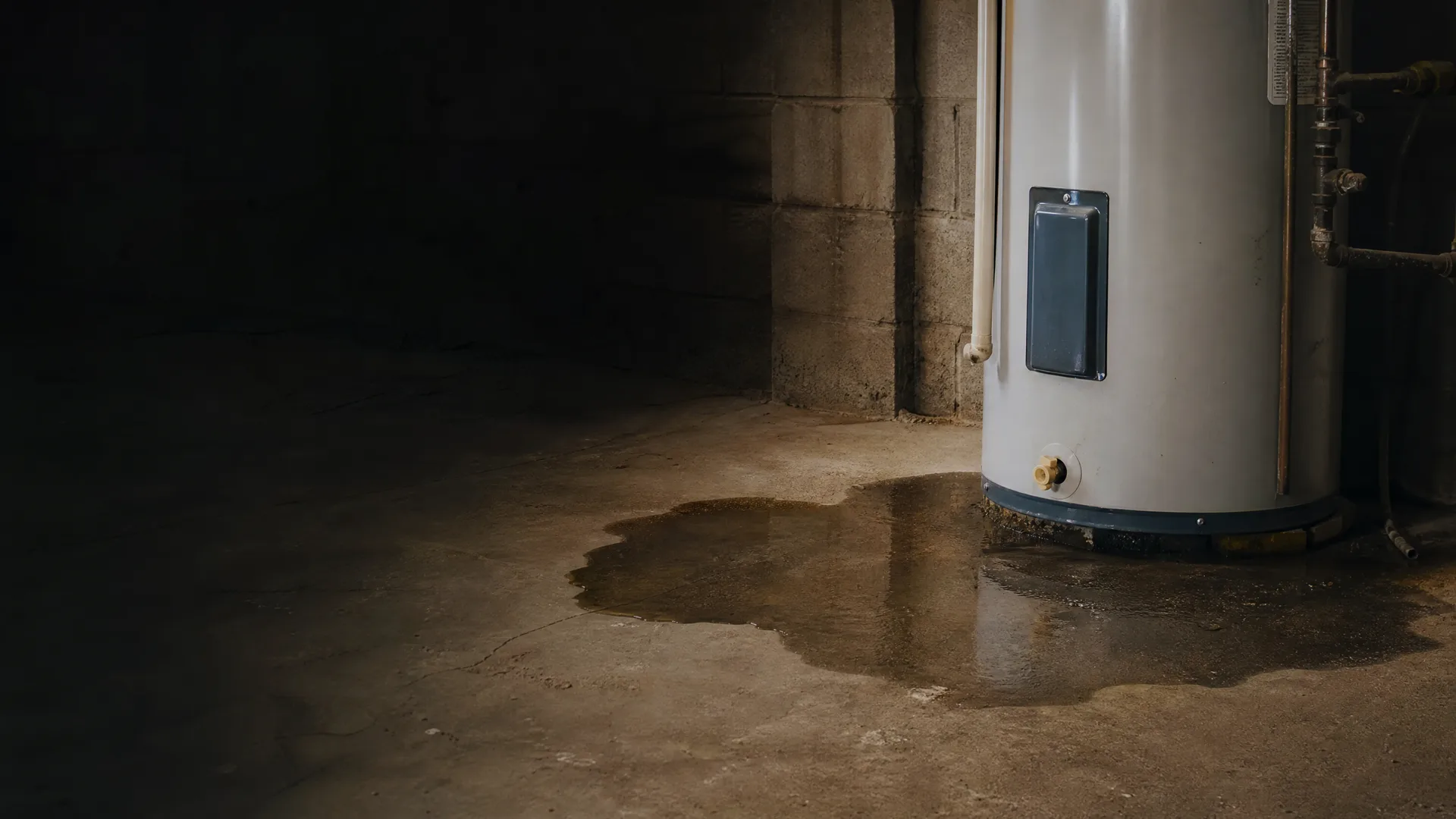
A water heater tank stands against a concrete block basement wall with a pool of water spread across the concrete floor around its base.

It's a Saturday morning in February, and you're down in the basement in Lincoln, folding laundry near the tank. You've heard the popping for a few weeks now, nothing new. Then you notice the sound of water that isn't the washer. A thin puddle has spread out from the base of the tank, catching the light from the small window. You crouch down and touch the metal near the bottom seam and it's wet. The popping stops mattering. You stand there for a second, looking at the water edging toward the drain, trying to remember how old this tank even is.

Flush the Sediment or Replace the Tank

Flush the tank

  • A contractor drains the tank and runs fresh water through it to break up the sediment layer and clear it out through the drain valve.
  • This works best when the buildup is still loose enough to break apart, usually caught in the first couple years after it starts.
  • The popping should quiet down afterward since the sediment that was trapping steam bubbles is gone.
  • If the drain valve is clogged with sediment itself, a contractor may need to work it loose or replace the valve to get the tank draining.
  • A flush doesn't repair any rust or damage already on the tank, it only removes what caused the noise.
  • Doing this once doesn't mean the sediment won't come back, since Lincoln's hard water keeps depositing minerals the same way it did before.

Replace the tank

  • Once sediment has baked onto the tank floor for years, it can harden into a layer a flush won't break up.
  • Rust on the tank itself or on the fittings means the steel has started to go, and no amount of flushing fixes that.
  • A tank that's been popping for a long stretch has had that sediment layer insulating the bottom from the burner the whole time, which wears on the metal underneath.
  • Replacing it means a new tank that starts clean, without years of mineral buildup already working against it.
  • If the old tank is near the end of what gas water heaters here typically last, a contractor may recommend replacing rather than flushing one that's already failing.
  • A new tank still needs regular flushing, since the hard water that caused the first buildup hasn't changed.
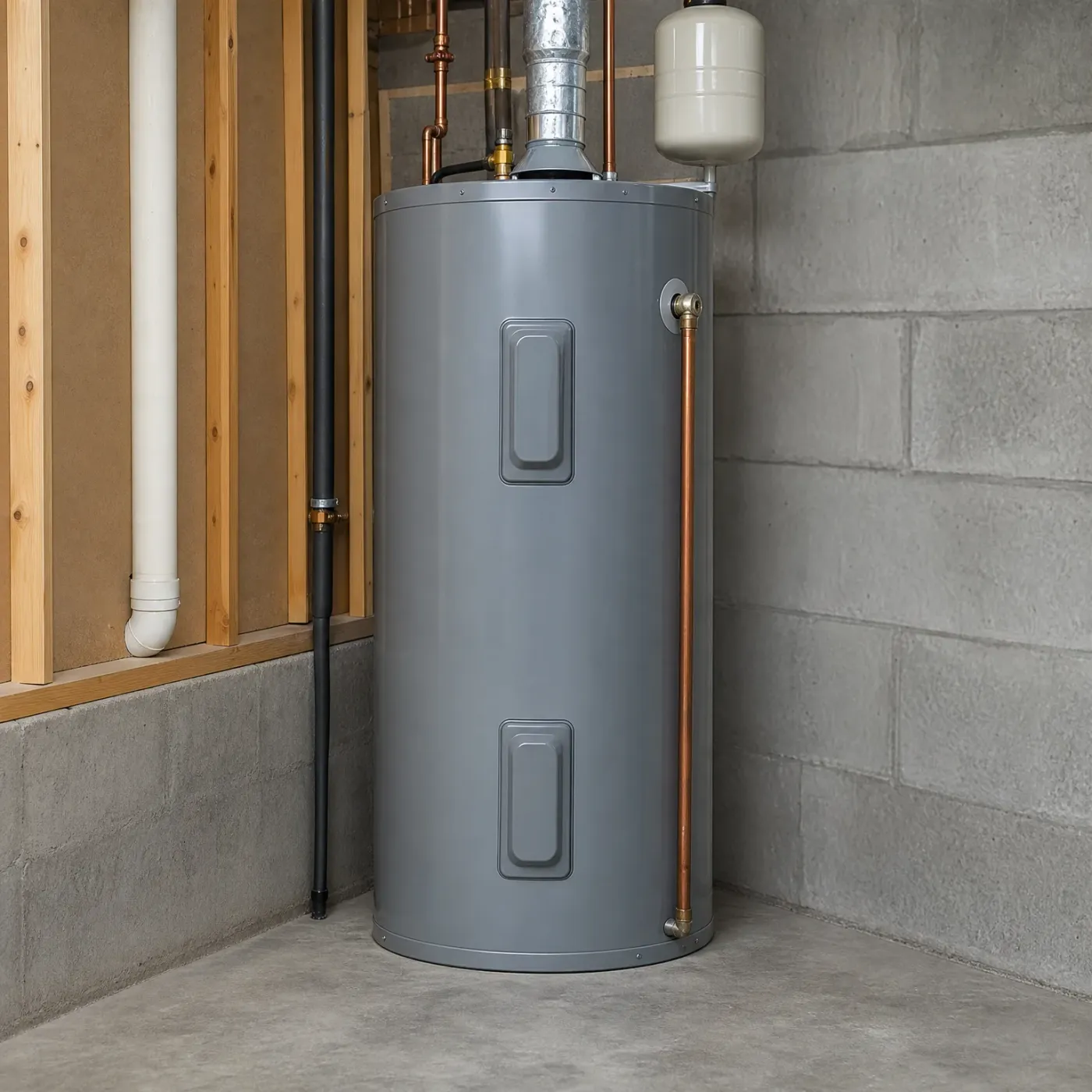
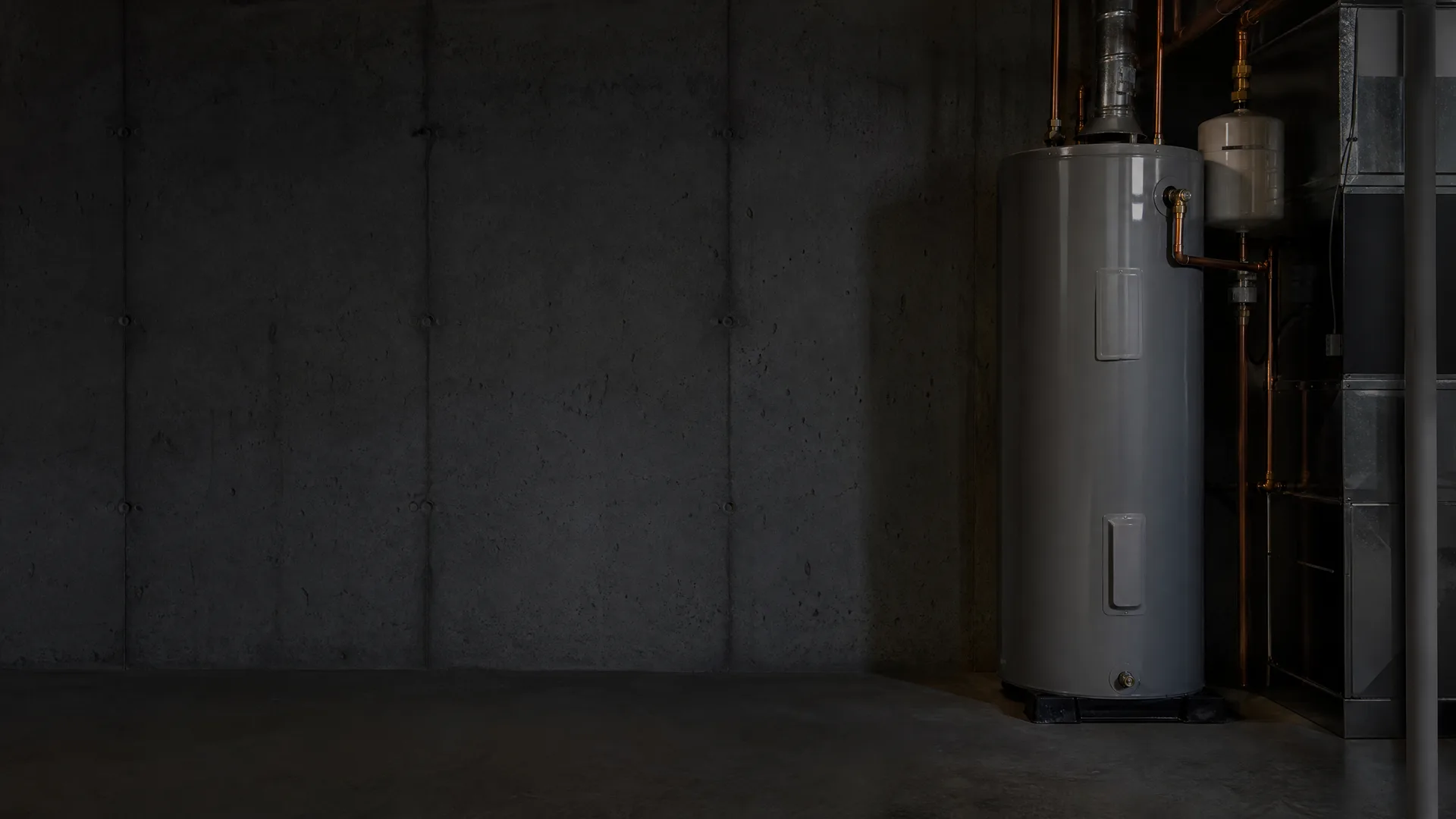
A gray cylindrical water heater with copper piping and an expansion tank stands in a basement corner beside a concrete block wall and exposed wood framing.

Tank in good shape

This electric tank sits clean, with no rust on the fittings or the floor underneath. The copper lines and expansion tank are the kind of setup that lets a contractor check the tank quickly and know right away if sediment is the only issue.

An old rusting cylindrical gas water heater with copper and steel pipes and a flue stands against a concrete basement wall beside metal ductwork on a bare concrete floor.

Tank past its point

Rust has worked its way across the top and down the side of this gas tank, and mineral deposits cling to the fittings. Popping here isn't just sediment anymore. A tank this corroded is a candidate for replacement, not another flush.

What are you hearing from the water heater right now

Stand near the tank and listen. It's probably a series of pops or a low rumble that starts a minute or two after the burner kicks on, then quiets down once the water's hot. Some homeowners describe it as popcorn in a microwave, others as marbles rattling around. You might also notice the water heater takes longer to bring water to temperature than it used to, or your gas bill has crept up, since that sediment layer is sitting between the burner and the water it's supposed to heat. On its own, the noise isn't an emergency. Left alone for years, the sediment that's causing it can corrode the bottom of the tank from the inside, which is how a popping sound turns into a leak.

A woman with shoulder-length graying brown hair in a cream knit cardigan sits in a dark armchair indoors, looking off to the side with a slight smile, with a shelf, window and houseplant blurred behind her.
A woman and a child wrapped together in a thick knitted beige blanket on a sofa, both with eyes closed, beside a lit table lamp in a dim room.

Let someone else find the pro

A licensed pro who repairs water heaters in Lancaster County gets your request.

Sending the form costs nothing.

  1. Sediment settles out of hard water and collects on the tank floor.

  2. The burner or element fires and heats the metal underneath that layer.

  3. Water trapped beneath the sediment turns to steam as it heats.

  4. Steam bubbles force their way up through the sediment layer.

Power here costs 11.20 cents per kilowatt-hour

An electric water heater here doesn't cost much to run, at just over 11 cents a kilowatt-hour. But sediment popping away at the bottom of the tank still makes the element work harder to heat through it, so you're paying a little more for the same hot water every time it fires.

EIA-861 2025

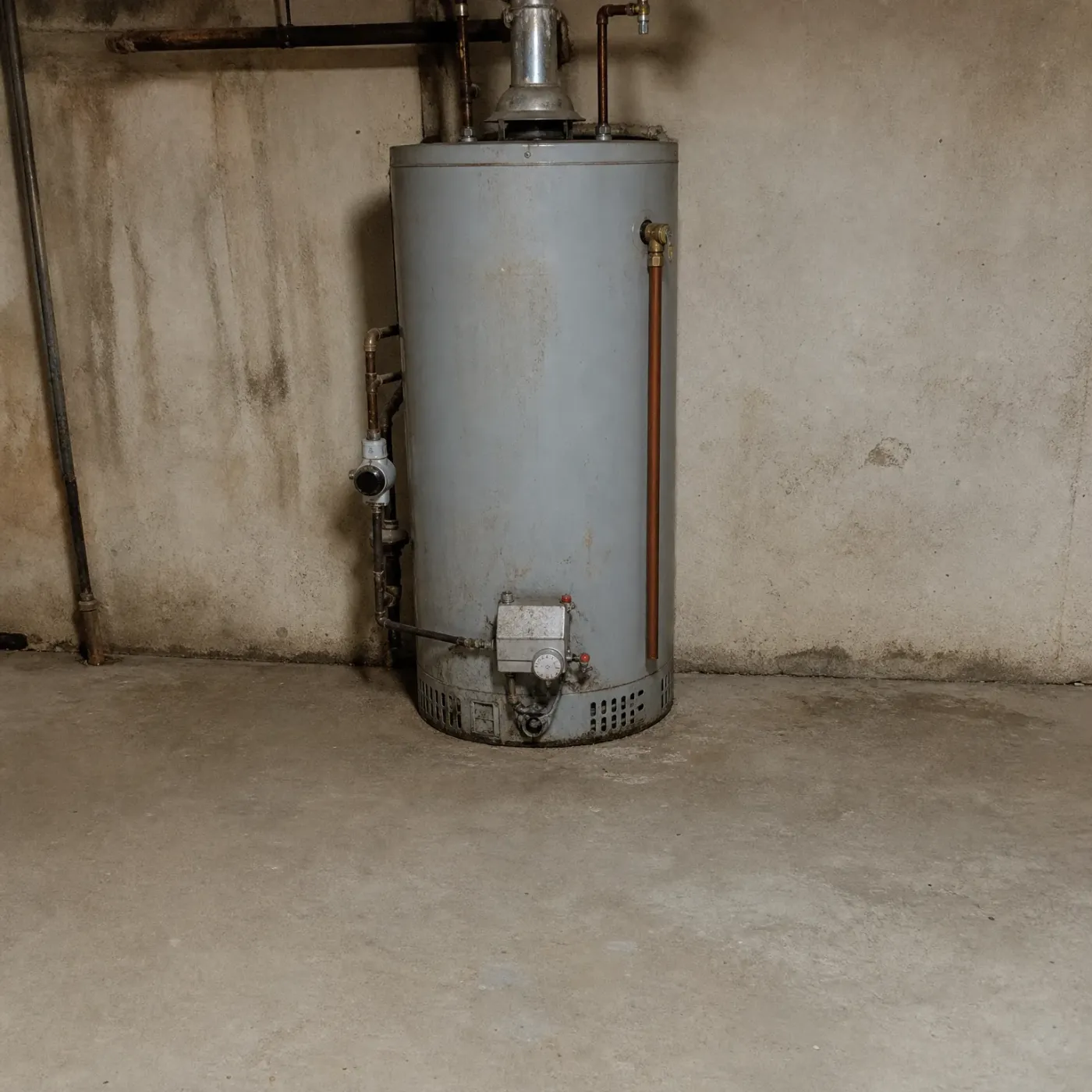
An older gray cylindrical gas water heater with copper and steel piping and a flue, standing on a concrete floor against a stained concrete wall.
Before you get your water heater repair
A white cylindrical water heater with two access panels stands on a concrete floor in a basement corner, beside galvanized ductwork, copper and metal pipes, a wooden post, and a concrete block wall.
After you get your water heater repair

Why the noise gets louder over time

Sediment doesn't stop building once it starts. Every tank of hot water that runs through pulls in more dissolved minerals from Lincoln's hard water, and each one settles on top of the last layer. A tank that pops quietly in its second year can be rumbling by its fourth, because the layer trapping steam has gotten thicker and the burner has to push harder to heat through it. The sound itself is a rough gauge of how much has built up. Soft, occasional pops usually mean a thin layer. A steady rumble that lasts most of the heating cycle means there's enough sediment down there to matter.

What the burner is working against

On a gas tank, the burner sits under the floor of the tank and heats that metal directly. Sediment between the burner and the water acts like a lid, holding heat against the steel instead of letting it pass into the water above. That's why the metal underneath a thick layer runs hotter than it should, cycle after cycle. Over enough cycles, that extra heat is what stresses the tank floor and the welds around it. The popping is the water finding its way out from under that lid. What it's telling you is that the water above the sediment is taking longer to get hot, and the metal below is taking the brunt of it.

How many people are relying on that water heater at once?

  • 2.34 people per household on average

    Households in the county run 2.34 people on average, so most tanks here are covering more than one or two showers a morning.

  • Half the homes here were built by 1983

    Half the homes in the county went up in 1983 or earlier, old enough that the original tank, if it's still around, has had years to collect sediment.

  • 60.5% of homes heat with gas

    60.5% of homes here heat with gas, which means the burner sits right under that sediment layer, not off to the side like an electric element.

ACS 2020-2024

Where the noise leaves you

  • Popping and rumbling from a Lincoln water heater almost always traces back to sediment sitting on the tank floor.
  • The noise gets worse over time because hard water here keeps adding minerals to the layer already built up.
  • A contractor can tell from the sound and the tank's age whether a flush will clear it or the tank needs replacing.
  • A local contractor who works on tanks around Lincoln all year knows what this hard water does to them and what to check first.
  • One contractor takes the job, so you're dealing with a single licensed pro instead of fielding calls from several companies.
  • Left alone, the sediment layer keeps growing and the popping usually gets louder, not quieter.

The popping is sediment, and the sediment came from Lincoln's hard water doing what it does to every tank here eventually. That part doesn't change. What changes is how far along it is, and that's not something to guess at from the basement stairs. A contractor who works on tanks around Lincoln all year has heard this exact sound more times than you have, and knows the difference between a tank that flushes clean and one that's already rusting from the inside. That's the call to make, and it's not one you can make by listening through the floor.

Getting matched here means one contractor takes the job, licensed and local, someone who's already down in basements like yours checking tanks that sound the same as this one. You're not working the phones trying to get three companies to call back, then trying to compare what each one tells you. One person looks at your tank, listens to it, checks the fittings and the floor underneath, and tells you straight whether this is a flush or a replacement.

Left alone, the sediment doesn't thin out on its own. It sits there, more of it every week the hard water runs through, and the popping tends to get louder rather than quieter. Catching it now, while it's still just noise and not a leak, is the difference between a flush and a new tank.

A gray cylindrical water heater with copper piping and an expansion tank stands on a drip pan against a dark concrete basement wall, next to metal ductwork.

One request and it's handed off

The pro who gets in touch is licensed in Nebraska and works in Lancaster County.

Step 1 of 3: Equipment