Tell us about the job
Takes about a minute. No obligation.
Before a contractor can size a replacement water heater here, they need to know how the existing flue is run, whether the space has adequate combustion air, and what the gas supply can deliver. Utility gas heats more occupied homes in Scotts Bluff County, Nebraska than any other fuel, at 60.9% (2020-2024 ACS 5-year). That share of the housing stock means most homes in the county were built around gas appliances, and the venting arrangements a contractor finds vary widely depending on the age of the house and what else shares the flue. A direct-vent unit and an atmospherically vented one are not interchangeable in the same chase, and getting that wrong at installation means the new heater will not perform to its rated output.
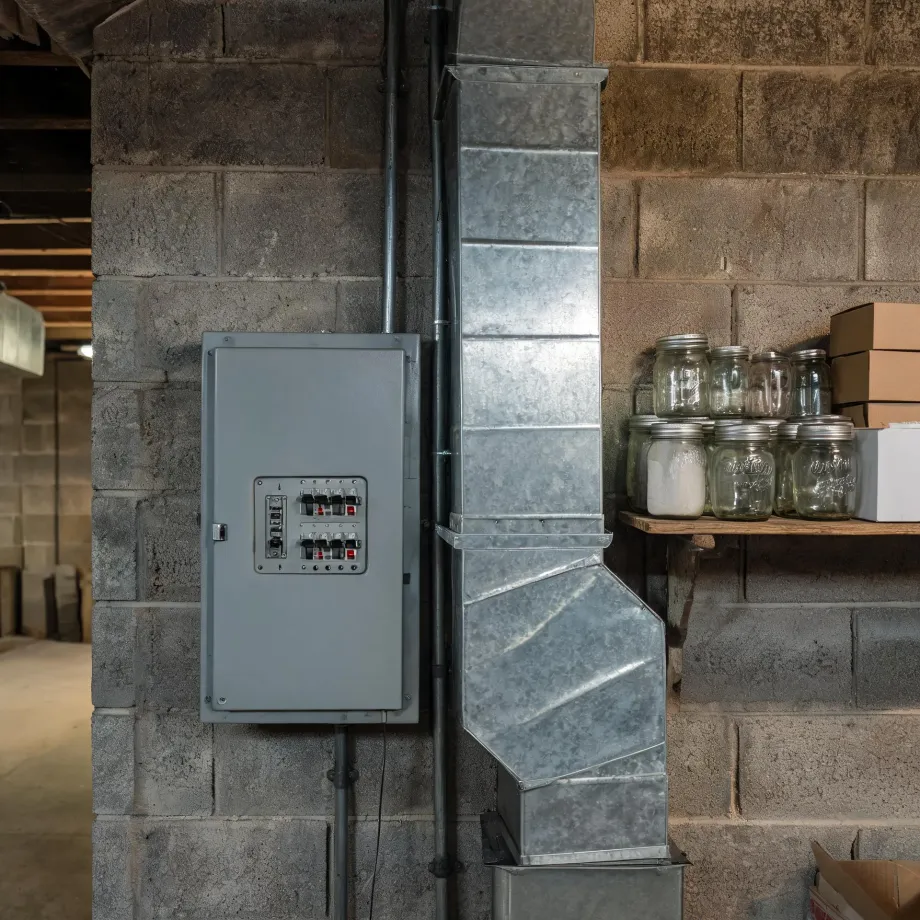
Ductwork and electrical service put in for an earlier generation of equipment shape what a water heater installation actually involves. Half the homes in Scotts Bluff County, Nebraska were built in 1969 or earlier (2020-2024 ACS 5-year). That spread across the housing stock means a contractor pulling permits here regularly finds existing runs and panel capacity sized for something smaller than what gets mounted now. The age of the structure is not the question; what it was originally plumbed and wired to carry is.
What a Water Heater Installation Covers
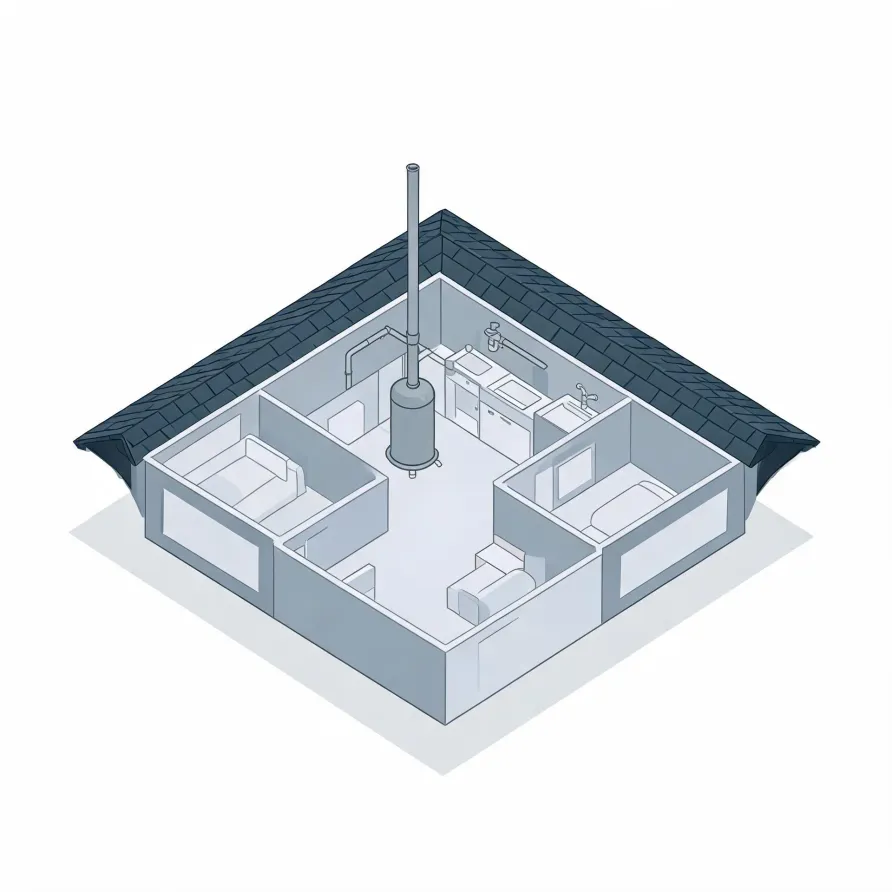
The tank or heating unit itself sits in a utility area, basement, or closet and is the piece the contractor sizes and sets in place first. Attached to it are the cold-water inlet and hot-water outlet connections, which route supply water in and send heated water out to the rest of the house.
The pressure relief valve mounts directly on the tank and opens automatically if pressure builds beyond a safe level. The drain valve sits near the base of the unit. A flue or venting pipe runs from gas-fired units up and out of the house, while electric units connect instead to a dedicated circuit at the panel.
The drawing shows a typical layout, and a licensed contractor determines exactly what applies to your home's configuration.
Get matched in Scotts Bluff CountyScotts Bluff County by the Numbers
346 severe weather events were recorded in Scotts Bluff County, Nebraska between 2015 and 2024.
NOAA National Centers for Environmental Information, Storm Events Database, bulk CSV export, events 2015-01-01 through 2024-12-31.Half the homes in Scotts Bluff County, Nebraska were built in 1969 or earlier (2020-2024 ACS 5-year).
U.S. Census Bureau, 2020-2024 American Community Survey 5-Year EstimatesScotts Bluff County, Nebraska holds 16,480 housing units (2020-2024 ACS 5-year).
U.S. Census Bureau, 2020-2024 American Community Survey 5-Year EstimatesOwners occupy 69.3% of the occupied homes in Scotts Bluff County, Nebraska (2020-2024 ACS 5-year).
U.S. Census Bureau, 2020-2024 American Community Survey 5-Year EstimatesCodes & Standards for Water Heater Installation in Scotts Bluff County, Nebraska1 sourced rules and standards
Licensing and Legal Requirements in Scotts Bluff County, Nebraska
Nebraska requires registration rather than a licence: a contractor must be registered with the Department of Labor before performing any construction work, though anyone earning less than five thousand dollars a year from construction services is not a contractor under the Act at all.
Severe Weather Events in Scotts Bluff County
Scotts Bluff County weather puts real demands on water heating equipment over time. Knowing the local pattern helps a contractor size and install a system that holds up to what this area actually delivers.
346 severe weather events, 2015–2024. Source: NOAA National Centers for Environmental Information, Storm Events Database.