Tell us about the job
Takes about a minute. No obligation.
An electric water heater works every day of the year, but the heating elements and thermostats inside it are not resting between showers. Electricity heats more occupied homes in Knox County, Nebraska than any other fuel, at 39.6% (2020-2024 ACS 5-year). That means a contractor quoting a new installation here starts with the service panel: whether the existing circuit handles the load, whether the breaker is sized correctly, and whether the water heater's capacity matches actual household demand. A unit that is undersized runs its elements harder and wears them faster. Venting is not a variable for an electric unit, which removes one constraint, but electrical rough-in and panel work become the decisions that shape the job and its cost.
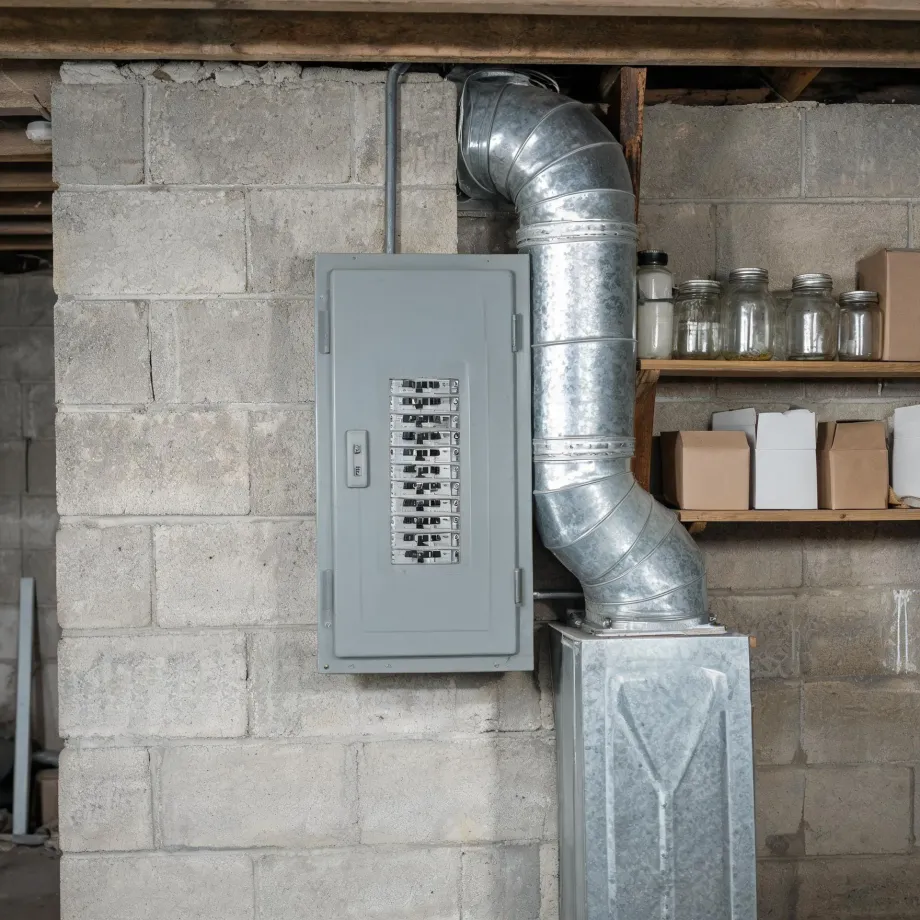
Ductwork and electrical service put in when a house was first built reflect what that house was expected to run, and in Knox County that gap between original design and current equipment is where a water heater installation gets complicated. Half the homes in Knox County, Nebraska were built in 1967 or earlier (2020-2024 ACS 5-year). A contractor scoping the job has to check what the existing lines and service connections actually support before anything else, because the infrastructure in place was built around different equipment and may have been adapted more than once since. The water heater a homeowner picks is straightforward. What carries it is not always.
What a Water Heater Installation Covers
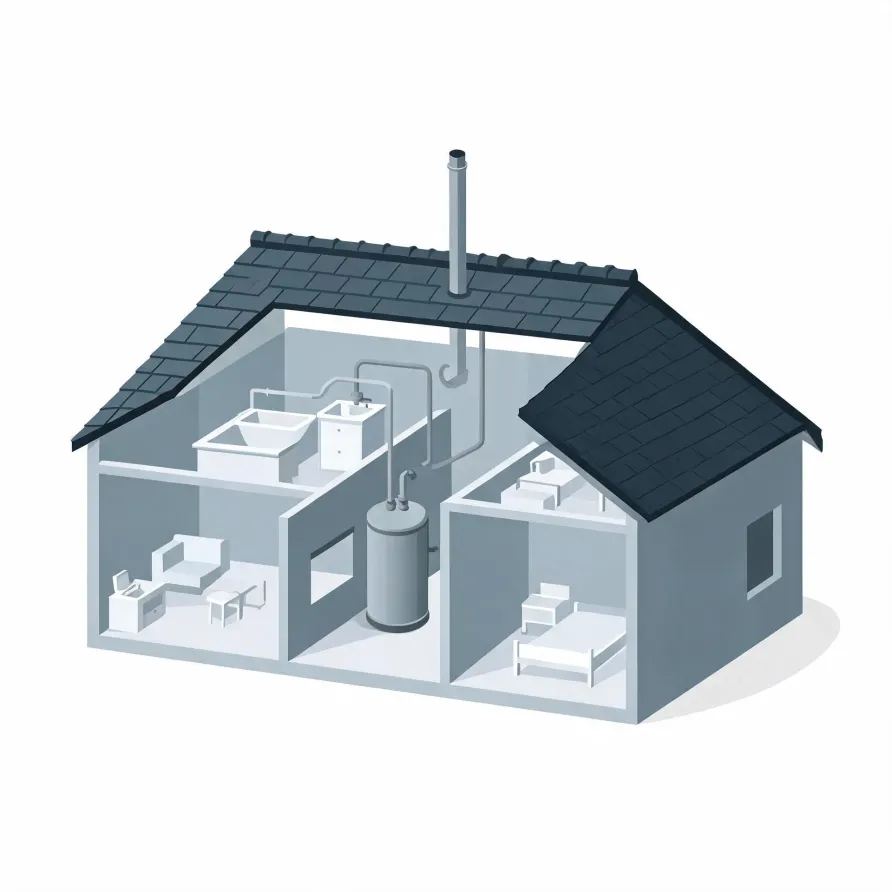
The tank or heating unit is the centerpiece of the system, sitting in a utility room, basement, or closet, and its job is to hold and heat the water your household draws on. A pressure relief valve mounts directly on the unit and releases excess pressure if it builds beyond a safe point. The cold-water inlet and hot-water outlet connections run from the top of the unit to the rest of the house.
A dedicated supply line brings cold water into the unit from the home's main plumbing, while a discharge line carries away any water the relief valve releases. The flue or venting pipe exits through a wall or roof to carry combustion gases out on gas-fired models, and an anode rod sits inside the tank to slow corrosion from the inside out.
The drawing shows a typical layout, and a licensed contractor determines exactly what applies to your home and its existing plumbing and venting.
Get matched in Knox CountyKnox County, Nebraska, by the numbers
126 severe weather events were recorded in Knox County, Nebraska between 2015 and 2024.
NOAA National Centers for Environmental Information, Storm Events Database, bulk CSV export, events 2015-01-01 through 2024-12-31.Half the homes in Knox County, Nebraska were built in 1967 or earlier (2020-2024 ACS 5-year).
U.S. Census Bureau, 2020-2024 American Community Survey 5-Year EstimatesKnox County, Nebraska holds 4,521 housing units (2020-2024 ACS 5-year).
U.S. Census Bureau, 2020-2024 American Community Survey 5-Year EstimatesOwners occupy 78.4% of the occupied homes in Knox County, Nebraska (2020-2024 ACS 5-year).
U.S. Census Bureau, 2020-2024 American Community Survey 5-Year EstimatesWater Heater Installation Rules That Apply in Knox County, Nebraska1 sourced standards and codes
Licensing and Legal Requirements in Knox County, Nebraska
Nebraska requires registration rather than a licence: a contractor must be registered with the Department of Labor before performing any construction work, though anyone earning less than five thousand dollars a year from construction services is not a contractor under the Act at all.
Severe Weather in Knox County
Water heater workload is shaped by what the local climate demands of it year after year. Storms and temperature swings in Knox County put stress on equipment that a contractor sizing or installing a unit here has to account for.
126 severe weather events, 2015–2024. Source: NOAA National Centers for Environmental Information, Storm Events Database.