Gas pilot or electric element
Gas units lose hot water when the pilot goes out or the thermocouple fails. Electric units usually point to a bad heating element or a tripped thermostat instead.

No hot water usually means one of a few things, and most of them are fixable without replacing the unit. If you have a gas water heater, the pilot light may have gone out, or the thermocouple that senses the pilot could have failed, which shuts off the gas as a safety measure. If you have an electric water heater, a tripped breaker or a failed heating element is the usual cause. Sediment that has settled at the bottom of the tank over time can also keep the burner or element from heating the water properly, especially in a tank that has not been flushed in a while. Winters here are hard on water heaters, since incoming water runs colder and the unit has to work harder to bring it up to temperature, which can expose a part that was already close to failing. Most of these problems show up as a specific symptom, like lukewarm water that never gets hot, or water that is hot for a few minutes and then turns cold.
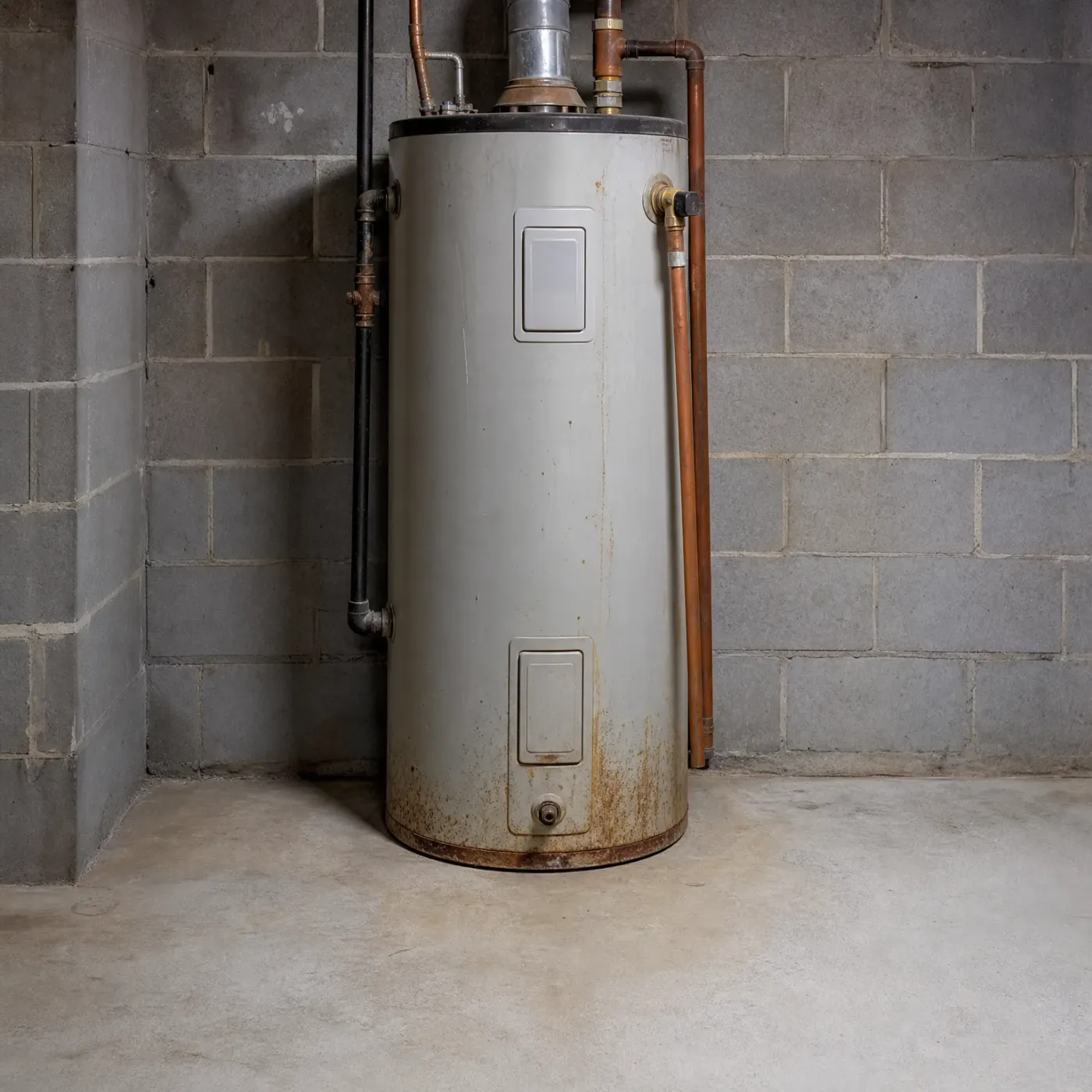
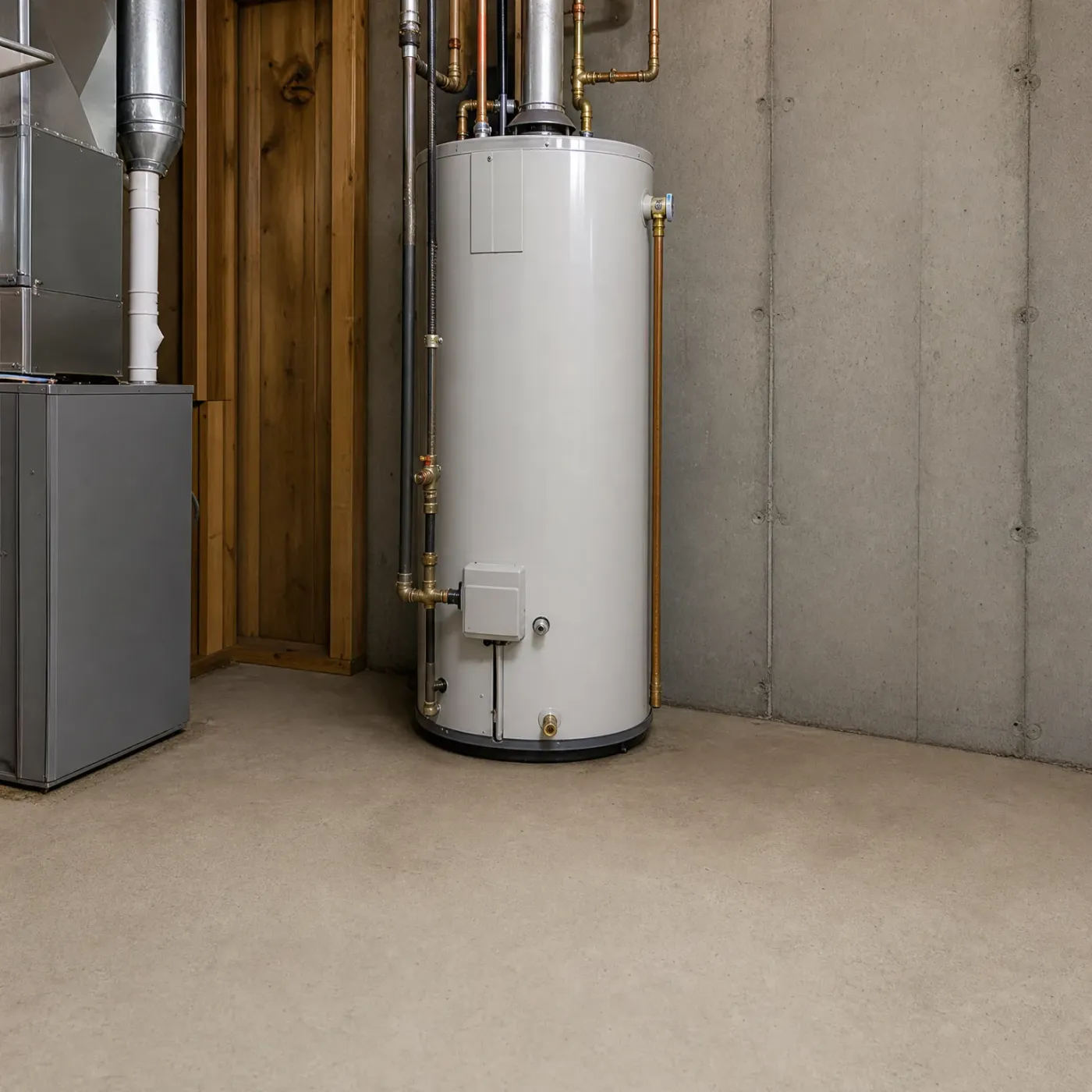
Gas units lose hot water when the pilot goes out or the thermocouple fails. Electric units usually point to a bad heating element or a tripped thermostat instead.
A failed thermocouple, igniter, or heating element is a straightforward swap for a licensed contractor, and the tank itself is rarely the problem.
2.43 people per household on average
Most Douglas County homes run on gas heat, and gas water heaters usually run off the same fuel line, so a pilot or thermocouple problem is worth checking first.
Half the homes here were built by 1977
With 2.43 people in the average household here, one water heater is doing steady daily work, so a failed part shows up fast as no hot water for the whole house.
72% of homes heat with gas
Half the homes in Douglas County were built in 1977 or earlier, so if yours is one of them, check whether the water heater is original or was swapped out since.
ACS 2020-2024
In most houses, no hot water shows up the same morning somebody needs it. A cold shower before work, a sink full of dishes that won't get clean, a dishwasher that runs and leaves everything greasy. With a gas unit, check the pilot first. If it's out and won't relight, or it relights and goes out again, that points to the thermocouple. With an electric unit, flip the breaker and check it hasn't tripped before assuming the element is bad. Either way, the fix usually sits inside the tank, not in a new one sitting in your driveway.
A water heater that's struggling doesn't always quit outright. It might give you a few minutes of warm water, then nothing, as a failing element or a weakening thermocouple works less each day. Left alone, a bad thermocouple just means the pilot keeps dying and you keep relighting it. A bad element on an electric unit can trip the breaker repeatedly or leave the tank running on one element instead of two. Neither gets better by itself, and both are the kind of small problem that's cheaper to call in now than to let run until the tank won't hold heat at all.




A gas water heater works by firing a burner under the tank whenever the thermostat calls for heat, and the thermocouple is what makes that possible. It sits right in the pilot flame, and its only job is to tell the gas valve the pilot is lit. Let that sensor get coated or bent out of the flame and the valve reads it as pilot-out, so it shuts the gas off even though nothing else is wrong. Electric units don't have a pilot or a thermocouple. They run on one or two heating elements instead, and when the upper element goes, you still get water, just lukewarm instead of hot, because the lower element is still trying to do the job alone. There's also a high-limit switch on electric units that trips if the water gets too hot. Once it trips, the element won't fire again until that switch is reset, so a unit can look dead when it's really just tripped. Either type will work harder than it should once sediment builds up, settling on a gas burner or packing in around an electric element. That's usually what's behind the popping or rumbling sound a tank makes before it quits altogether. None of this means the tank itself is bad. It means something specific inside it stopped doing its one job, and that's usually what a repair fixes.
If your water heater is electric, that 13.13 cents a kilowatt-hour is part of why running it costs less here than in a lot of other places. It also means a stuck thermostat or a heating element drawing power without heating water won't show up as a huge spike on your bill, so a cold tap can be your only warning something's wrong.
EIA-861 2025
Right now you're heating water with a pot on the stove, or skipping the shower, or running the dishwasher and hoping it does enough on cold water alone.
Once the pilot's relit or the element's swapped, the tank goes back to doing its job quietly in the basement, and you stop thinking about it until the next time something fails.


A licensed pro who works in Douglas County gets your request.
A Douglas County pro who repairs water heaters gets your request.
Asking costs nothing, and the choice to hire stays yours.
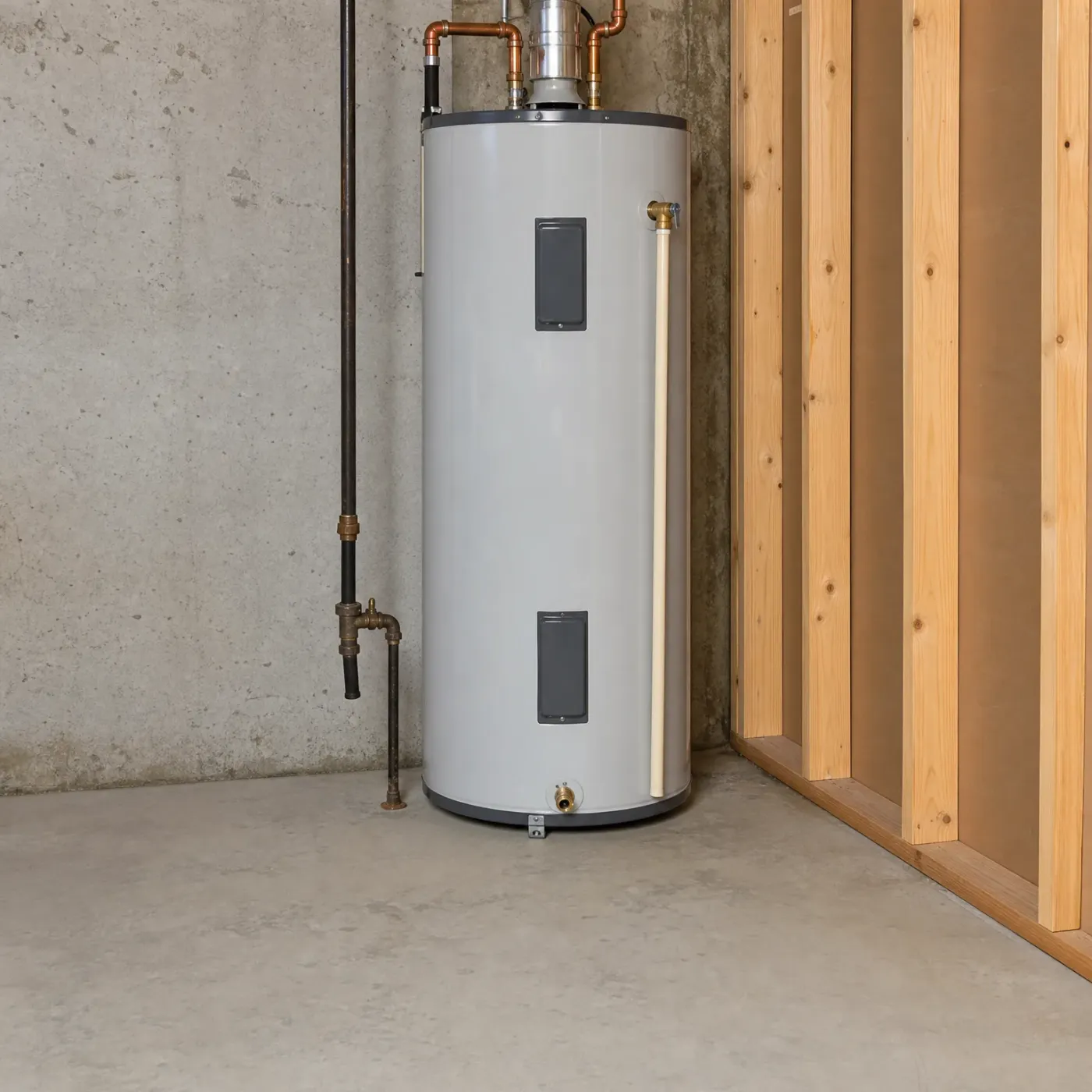
The thermostat calls for heat and opens the gas valve or power circuit.
A gas unit lights the pilot first, then fires the burner.
An electric unit sends current through the heating element instead.
A faulty thermocouple or tripped thermostat cuts that process short.
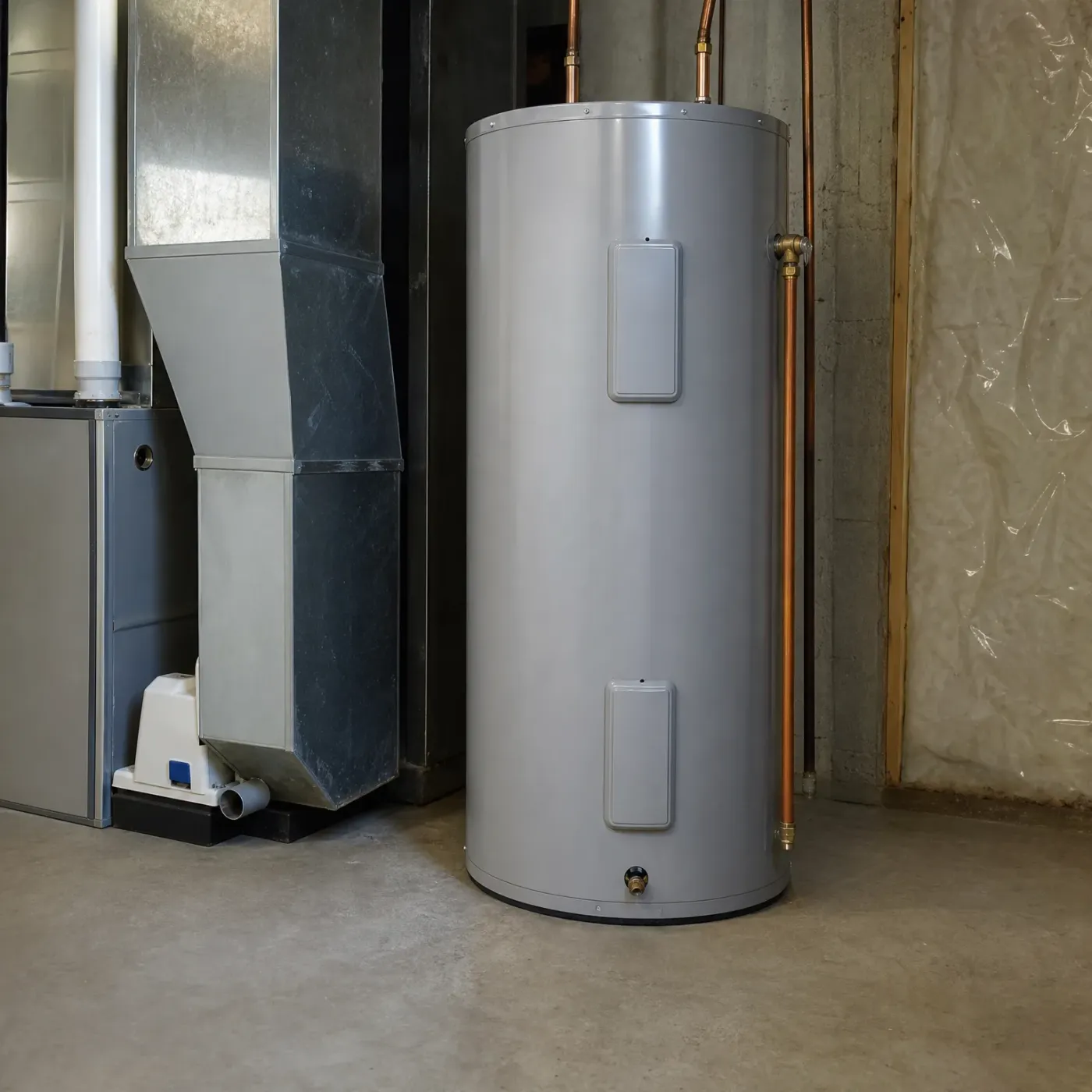
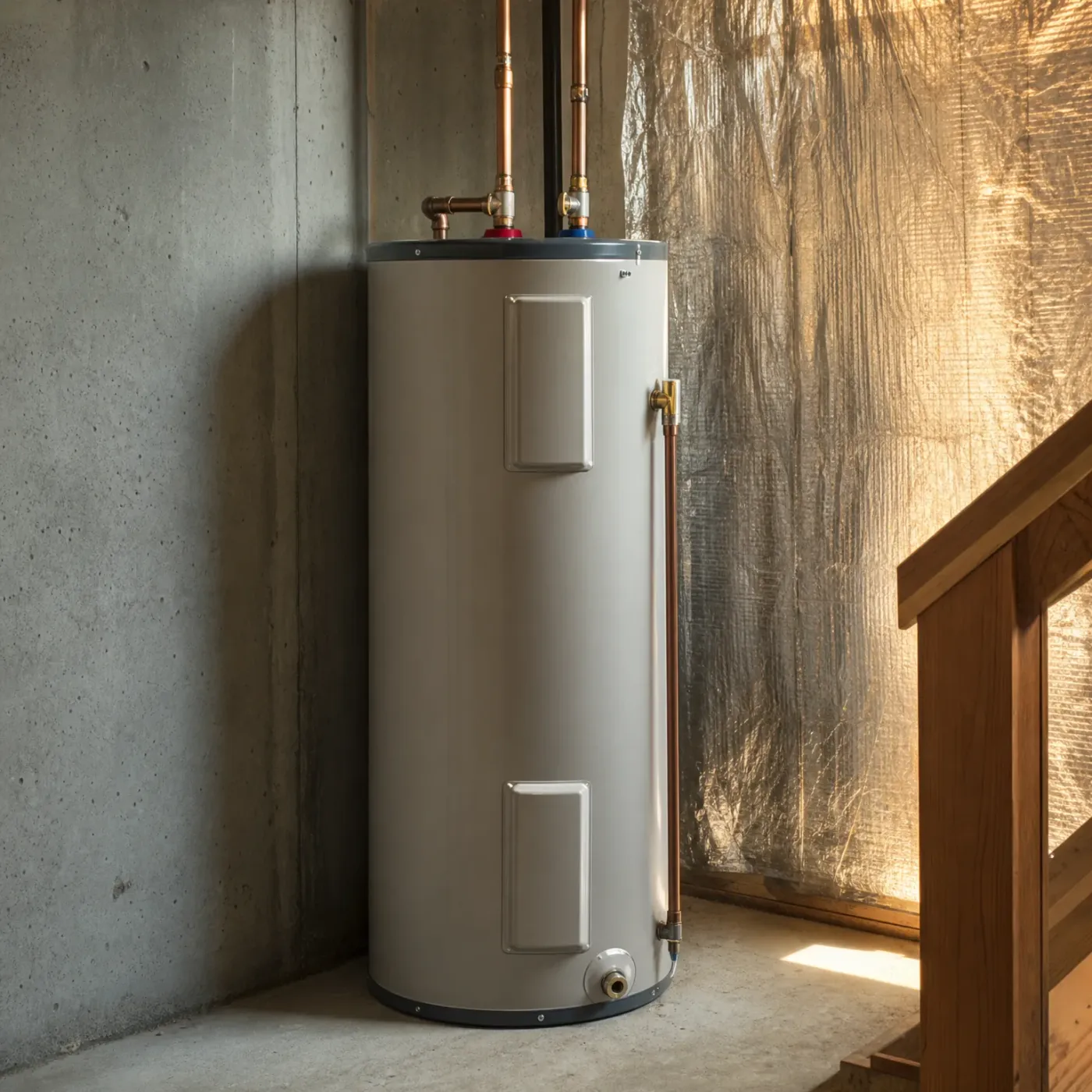
A water heater like this sits quiet against the wall, copper lines tight and dry, tank sealed. No rust at the base, no sound from the burner or element beyond the normal cycle. It just keeps up with the house.
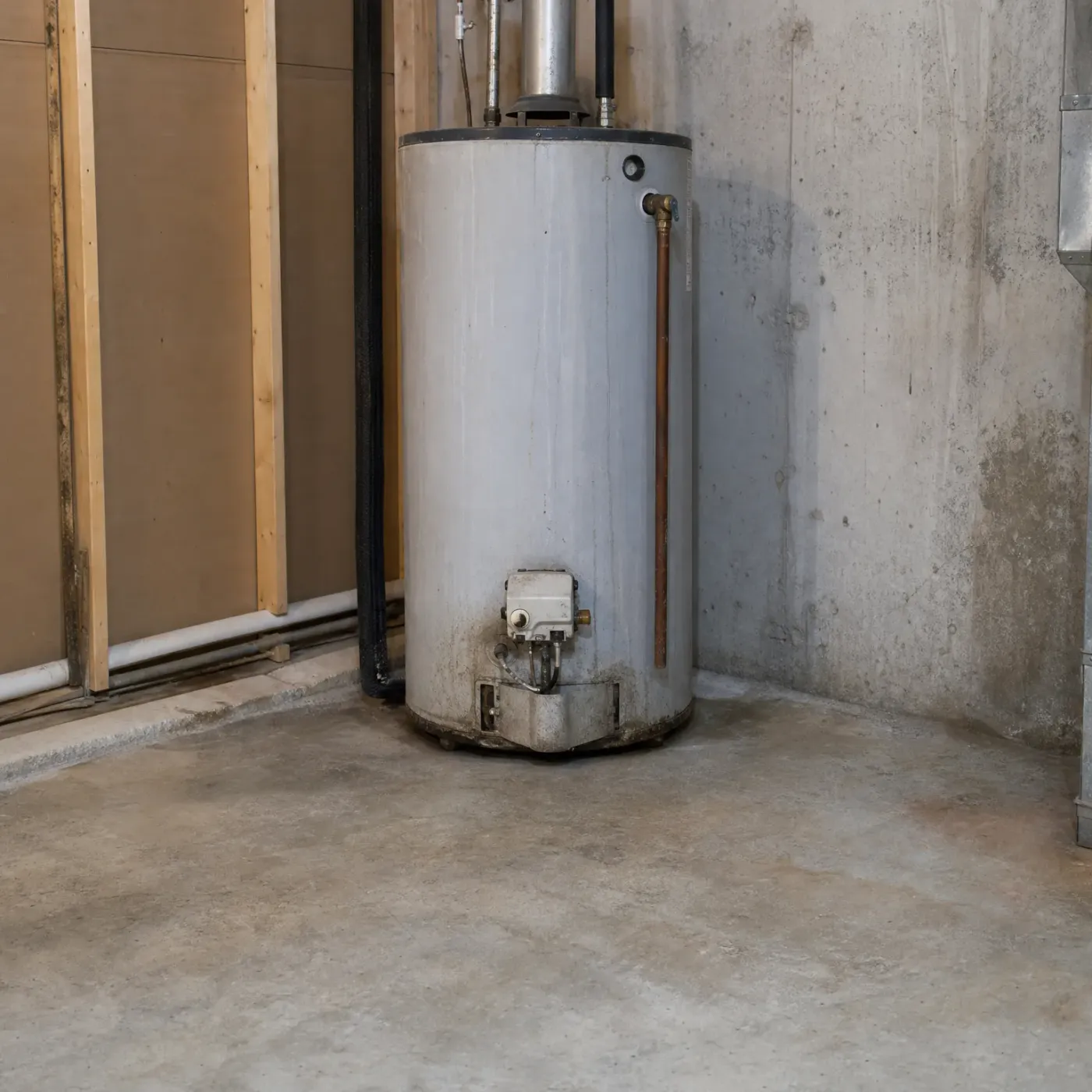
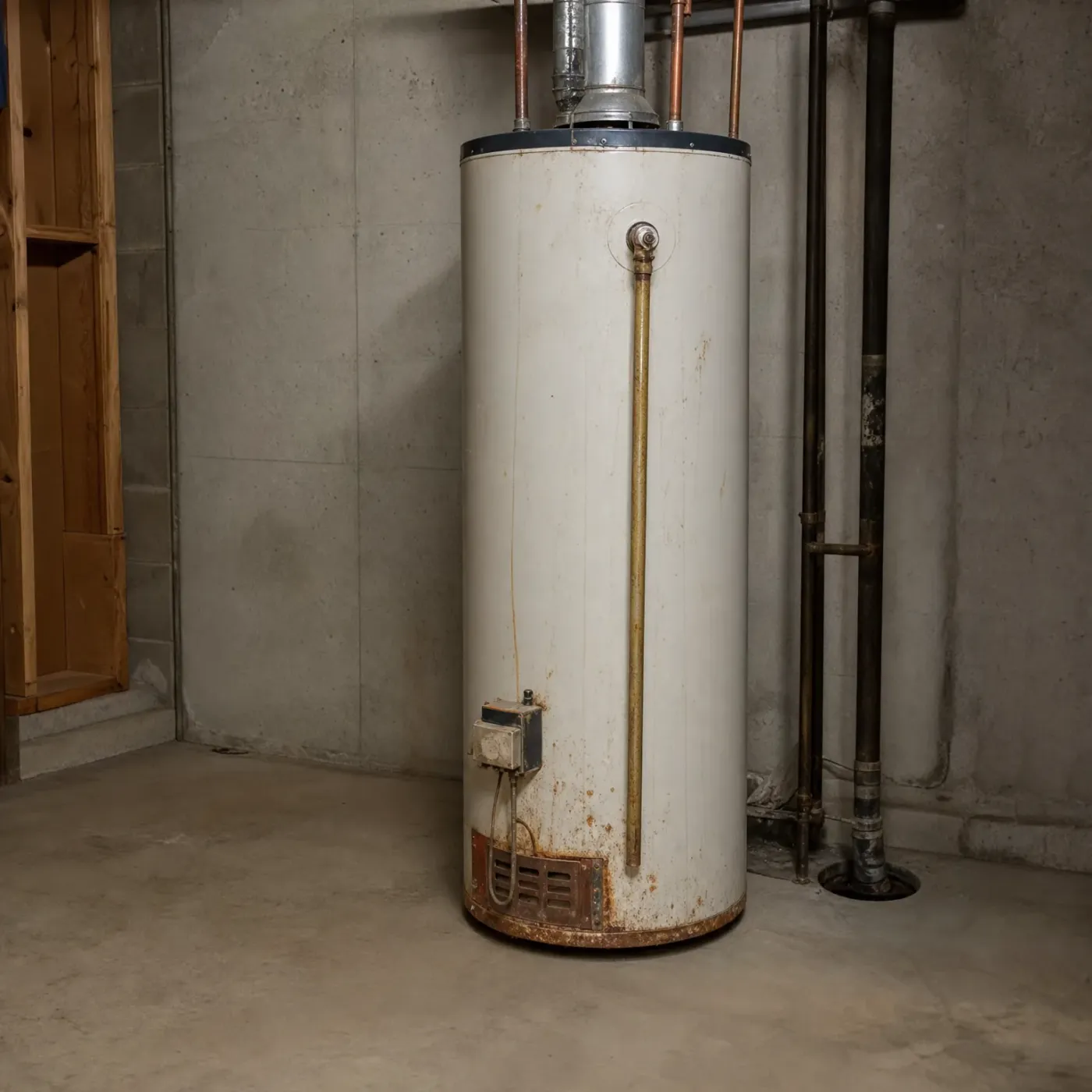
Rust around the base and grime on the burner assembly mean the tank has been working harder for longer than it should. A flue pipe that's carried exhaust for years and a corroded jacket are worth a look before the next cold shower turns into a leak.
The water runs cold no matter how long you let it go, or it starts warm and turns cold fast, usually mid-shower. If it's a gas unit, you might smell nothing at all, which is the tell that the pilot's out. If it still lights and still won't heat, that points to the thermocouple instead. On an electric unit, the tank might make a faint popping sound, or just stay stone cold with no warning. Dishes pile up because the dishwasher won't cut grease on cold water. A load of laundry comes out smelling the same as it went in. None of this damages the house, but it does mean someone's taking cold showers until the part gets fixed.
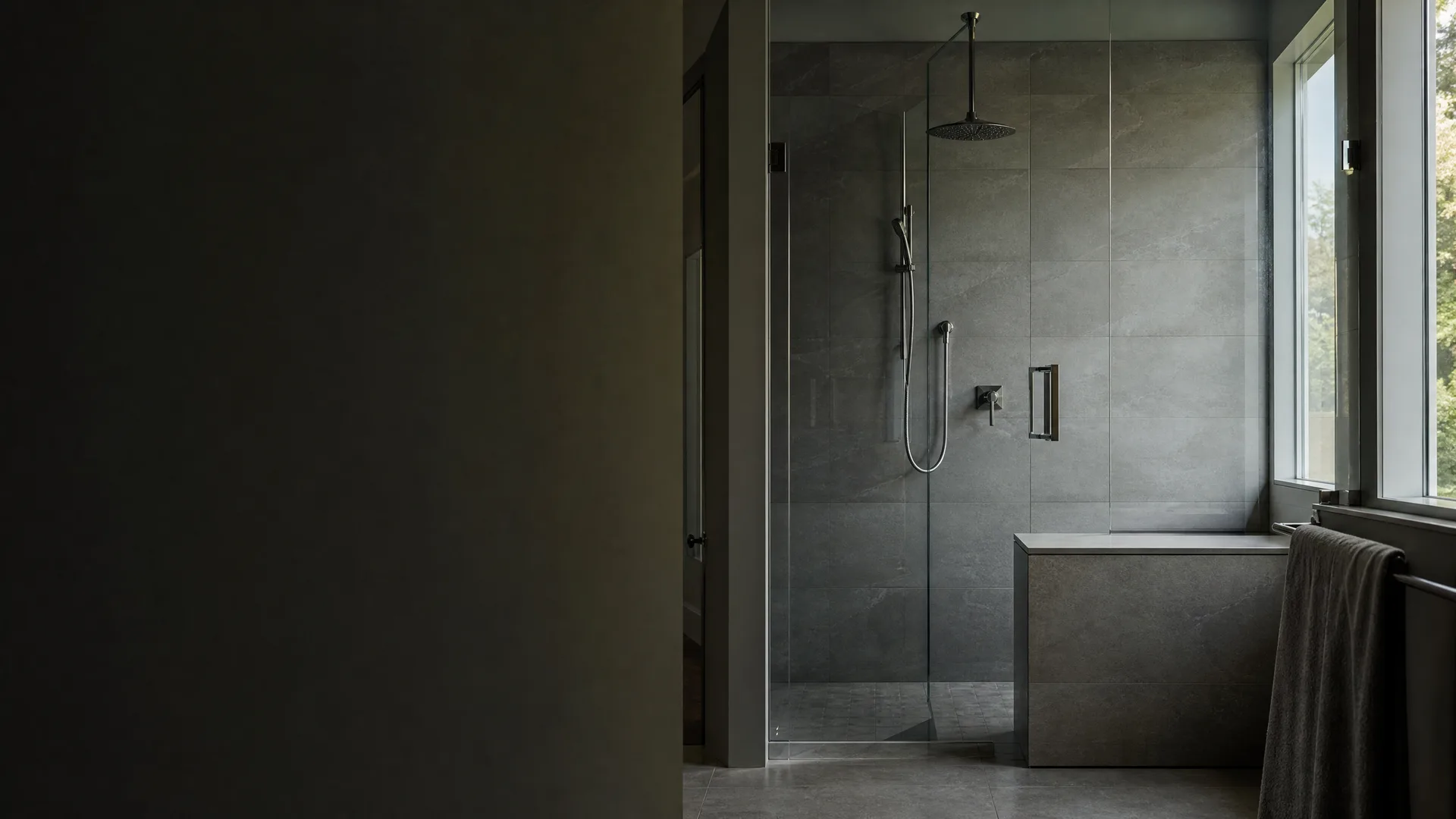
You turn the shower on before work and step back to let it heat up. It doesn't. No steam on the mirror, no warmth coming off the water when you check it with your hand. The towel is already on the rail, laid out the night before. You run it another minute thinking the tank just needs longer, but Douglas County tap water in the middle of winter doesn't warm up on its own. You turn it off, stand there a second, and go find out if the pilot's out or if something else quit on the gas valve downstairs.

A pilot that won't stay lit, a thermocouple that's failed, a heating element that's burned out, or a thermostat that's tripped. All four are things a contractor who works on water heaters all over Douglas County sees on a regular basis, and all four get fixed without a new tank going in.
Getting matched means a licensed local contractor who already knows what tends to fail in homes around here reaches out to you directly. Not a handful of companies competing for the job, just the one who's suited to handle it. From there it's a quick fix and the tank goes back to running quiet in the basement, same as before.

The pro who gets in touch is licensed in Nebraska and works in Douglas County.
No fee to send it, and nothing to sign.