
A gas line that's too small
Tankless units draw more gas at once than a tank does. If the line sizing wasn't done for that load, you're looking at a line upgrade before the unit works right.
Winters are hard in Hall County, and a gas water heater here works for it. Whether a tankless unit is worth the switch depends on your gas line, your vent, and what you want out of your hot water, and that's not something to guess at from a search bar. A local contractor who installs these in Grand Island homes every year can look at your setup and tell you straight whether it pencils out for you. Send the request and you're done looking. No sorting through companies, no comparing quotes from strangers. One licensed local contractor gets your details and takes it from there. That's one less thing on your list this week.
For most homes in and around Grand Island, a tankless water heater is worth it if you plan to stay in the house long enough to use the extra years it lasts over a tank, and if your gas line and vent can support it. A tankless unit heats water on demand instead of holding forty or fifty gallons at temperature all day, so it uses less gas over a year and doesn't run out partway through back to back showers in January when everyone wants hot water at once. The catch is the install, not the unit itself. Most tankless heaters need a larger gas line and a different vent than the tank they're replacing, and in a house that was built around a standard tank, that can mean real work behind the wall. Whether that work is worth doing comes down to your home's gas line and venting, and the only way to know is to have someone look at what you've actually got.
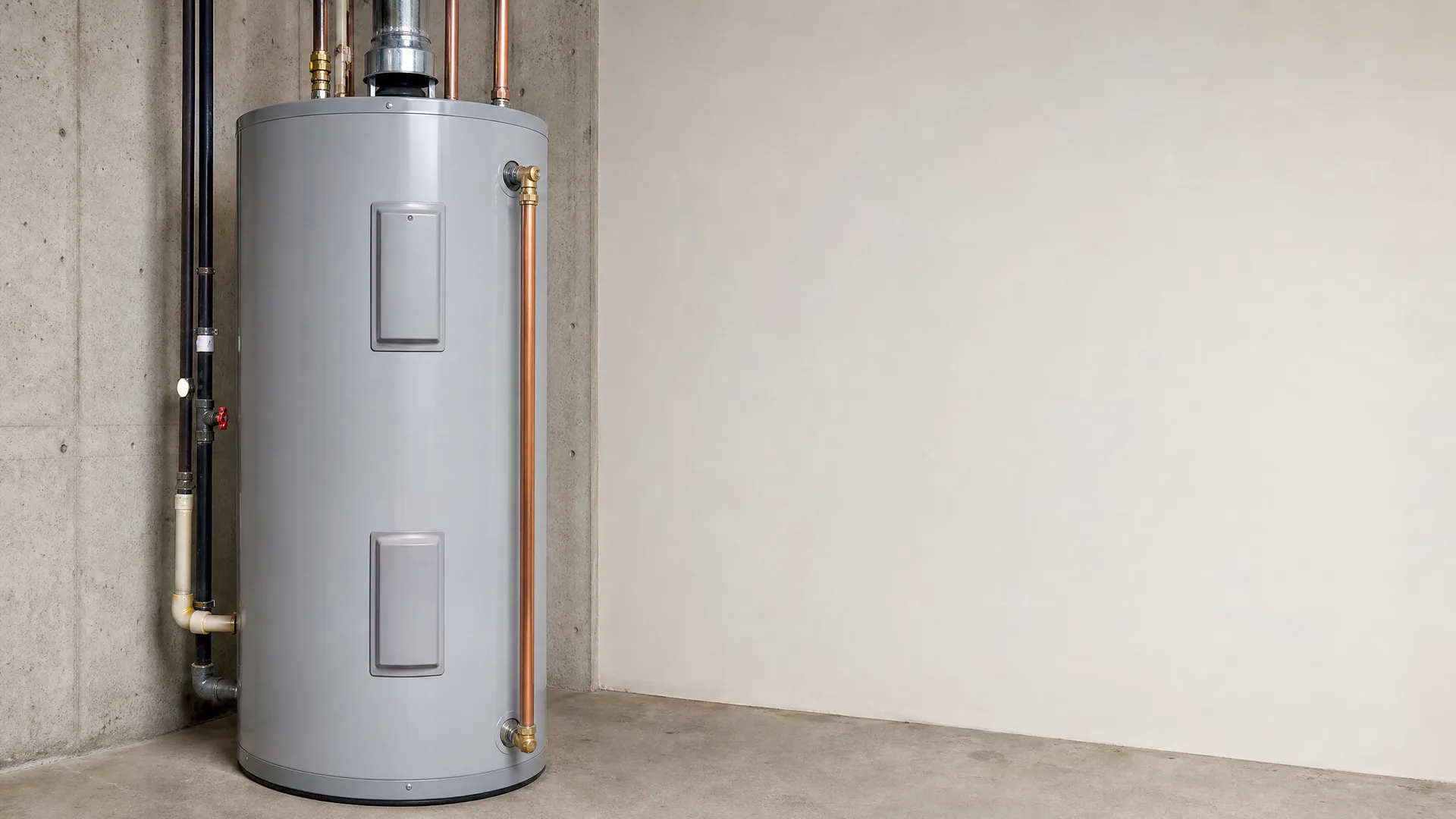
A tank holds a set amount of hot water, and once it's gone you wait for it to heat back up. With incoming water running cold off the main during a Hall County winter, that recovery takes longer than it does in July. A tankless unit doesn't store anything to run out. It heats water as it passes through, so back-to-back showers aren't limited by what's left in a tank.
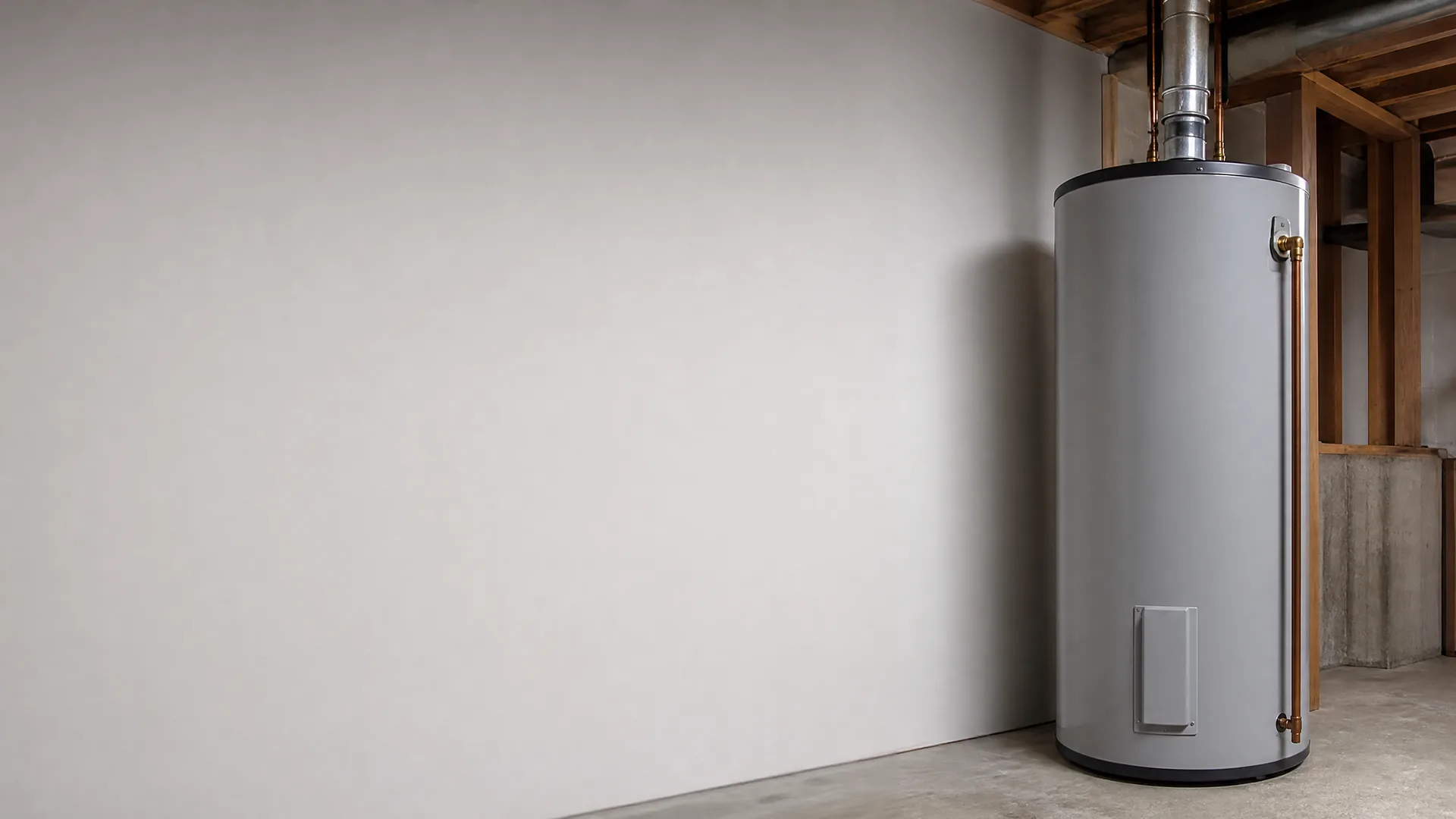
A tankless unit asks for more gas flow than a tank does, because it's heating water right now instead of keeping a tankful warm over hours. Some homes already have a gas line sized for that. Others need the line upsized before a tankless unit can fire correctly. The vent is a separate question, since tankless units vent differently than a tank does. Both are worth checking before you decide, not after.
2.51 people per household on average
Households here average 2.51 people. That's usually two showers, a load of laundry, and a dishwasher running close together, which is where a tank runs out and a tankless unit doesn't.
Half the homes here were built by 1975
Half the homes in Hall County were built in 1975 or earlier. A house that old may still have its original gas line and vent sized for a tank, and a tankless unit needs both checked before install.
63.7% of homes heat with gas
63.7% of homes here heat with gas, more than any other fuel. That's the one thing a tankless unit needs to run at all, since the electric versions aren't built for a Hall County winter.
ACS 2020-2024
If you're not planning to stay in the house long, a tank costs less to put in and that math is hard to beat. A tank is also the simpler fix when the gas line coming to the water heater is undersized, since running a tankless unit at full fire usually calls for a larger line than a lot of older Hall County homes have. Venting matters too. A tankless unit vents differently than a tank, and if the current vent isn't set up for it, that's added work. None of this rules tankless out. It just means the house has to be ready for it, not only the household.
If your gas line and vent can handle it, and you're staying put, tankless starts paying you back the first winter. You stop running out of hot water when two showers and a load of laundry overlap, which is the exact spot a tank falls short. You also get space back, since a tankless unit mounts on the wall instead of taking up floor room. And you're not replacing it as often as a tank, so you get more years of use before the next install. The question isn't whether tankless works. It's whether your house is already set up for it or needs work first.
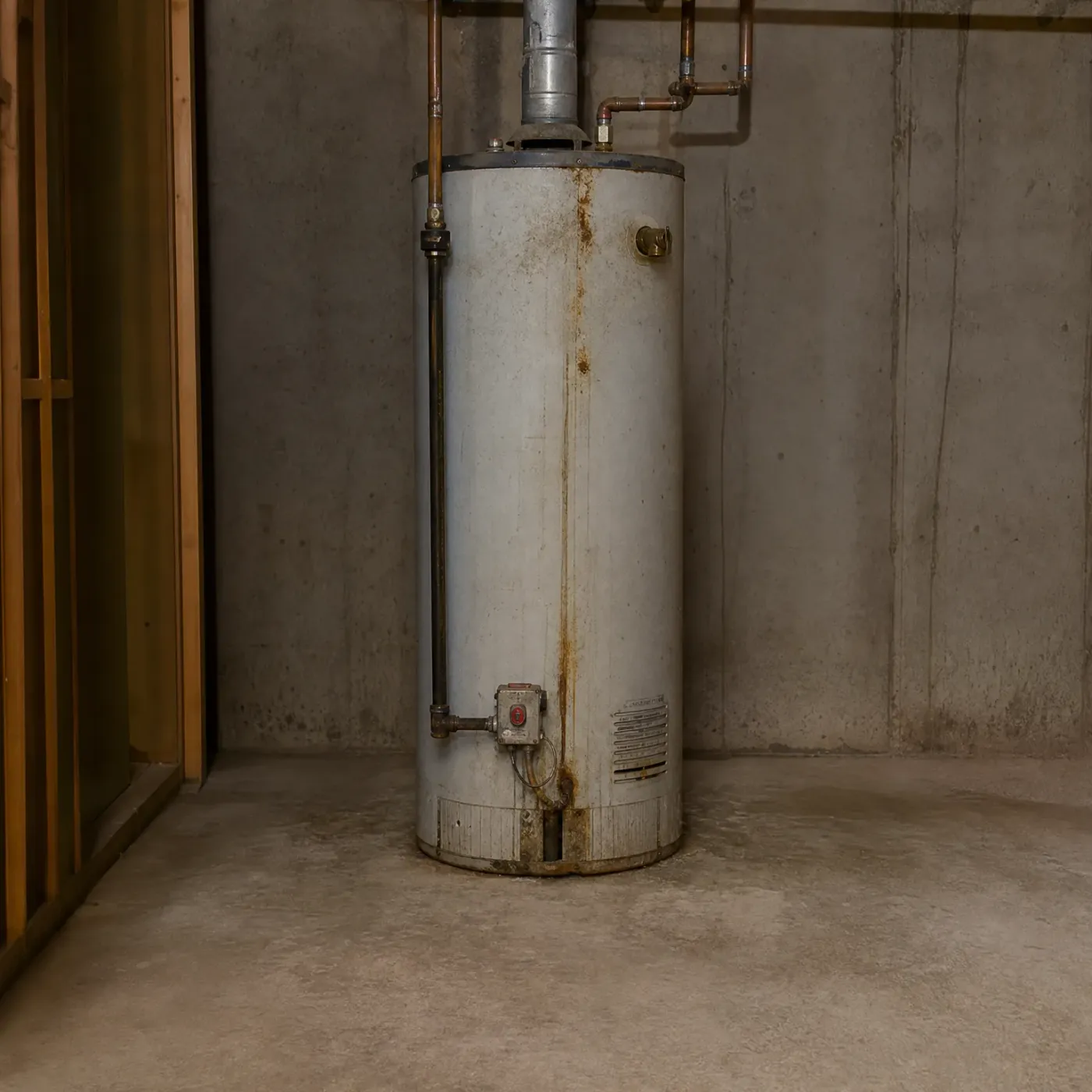
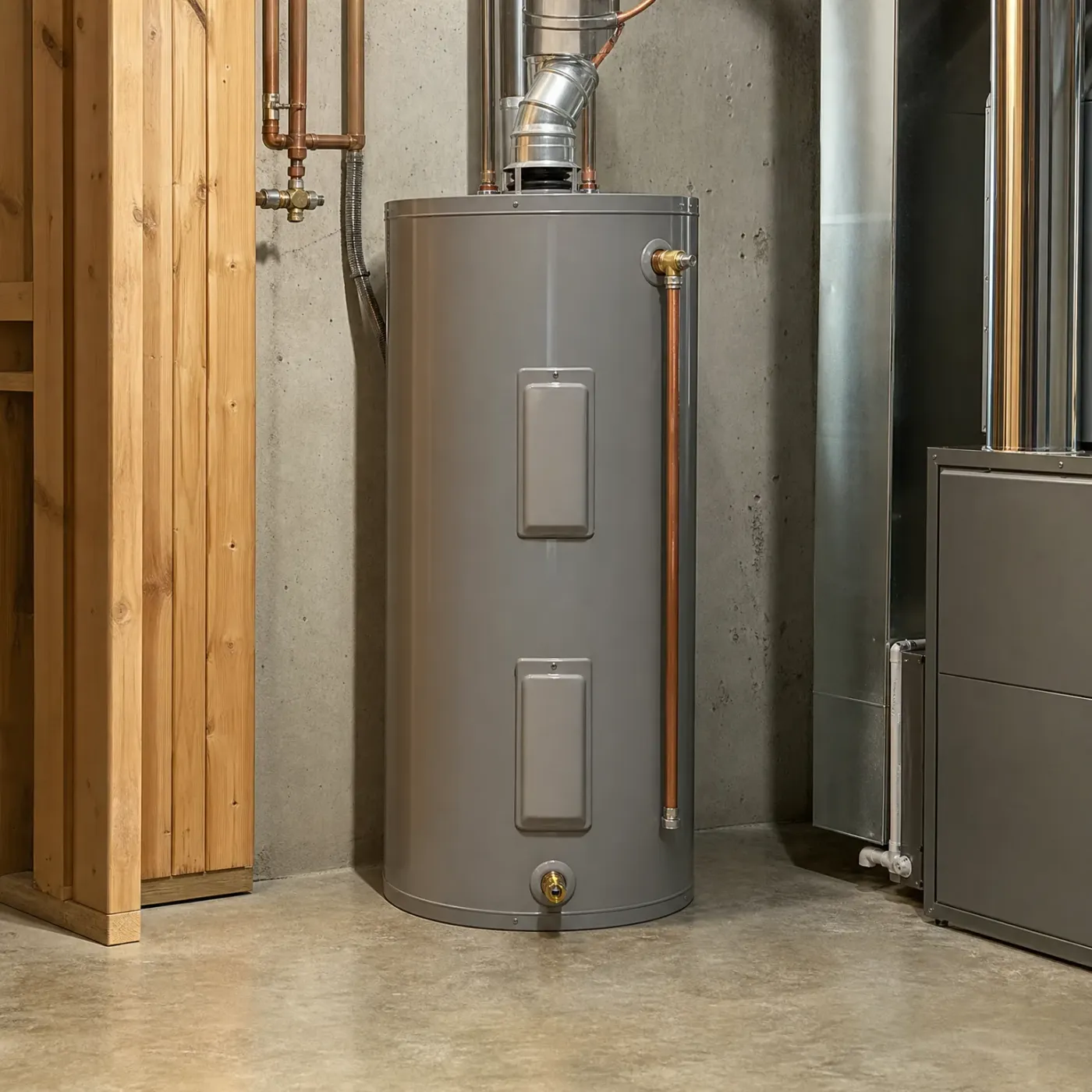
Tankless units draw more gas at once than a tank does. If the line sizing wasn't done for that load, you're looking at a line upgrade before the unit works right.
A tankless unit installed to fit your home's gas and vent can outlast two or three tanks, so the years you'll spend in the house decide whether that's worth paying for.
At 10.34 cents per kilowatt-hour, electricity here runs below the national average, which is why most of this decision rests on gas, not power. A tankless unit's igniter and fan draw a small amount of electricity to run, and at this rate that part of the bill barely moves either way.
EIA-861 2025
A tankless unit never runs out, because it heats water as it flows instead of storing it, so the fourth shower on a cold morning comes out the same as the first.
A tank runs out, because it only holds what's in it, and once that's gone you're waiting on the burner to catch up while the next person wants a shower.


A licensed pro who works in Hall County gets your request.
Send the request and finding a pro stops being your problem.
You only hire the pro if you want to.
You notice it most on the coldest mornings. The shower turns lukewarm halfway through, or someone has to wait their turn because the tank hasn't recovered yet. Incoming water off the main runs colder in a Hall County winter, so a tank that kept up fine in July falls behind once the weather turns. You might hear the burner cycling more than it used to, or notice the water heater closet feels warmer than normal. None of that means the tank is failing outright, but it does mean it's working harder for less hot water, and a household running the shower, the laundry and the dishwasher back to back will feel that gap first.
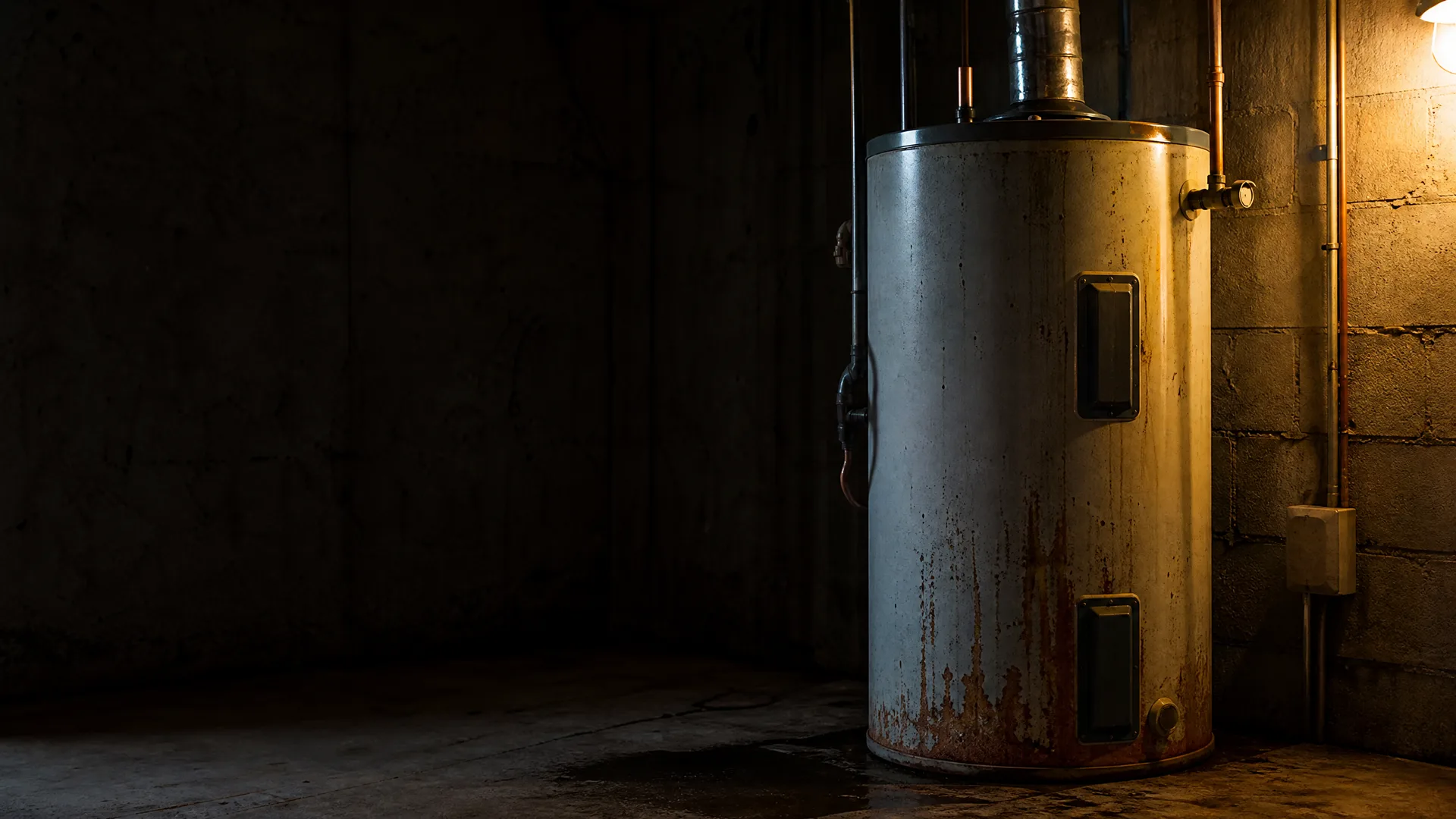
You go down to the utility room after dinner to grab something from the freezer, and the tank catches your eye the way it has a few times this month. It's early evening, already dark outside, the kind of hard Hall County cold that settles into the house by six. You crouch down and see it again, the rust streaking down the side near the base, following the seam to the floor. You press a finger near it. Damp. You stand there a second, coat still on from bringing in the mail, and do the math on how old this one is and whether it's going to make it through to spring.
You've seen the pitch about running out of hot water and the gas line sizing, but nobody's explained what's actually happening inside the unit. Before you decide if it's worth putting in, it helps to know what you're buying instead of a tank.
Cold water comes in through the unit, and a flow sensor picks up the moment you turn on a faucet or start a shower. That signal fires the igniter, the burner lights, and the water runs across a heat exchanger on its way to the tap. It comes out hot a few seconds later and stays hot for as long as the water keeps moving. There's no tank sitting behind it holding a reserve, which is why the unit only burns gas while water is actually flowing. Shut the faucet off and the burner shuts off too. That's the whole difference from a tank, which keeps a reserve hot around the clock whether you're using it or not.
A flow sensor detects water movement the moment you open the tap.
The gas valve opens and the burner ignites to meet that flow.
A heat exchanger transfers burner heat directly into the water line.
A thermistor reads the output temperature and adjusts the gas flow.
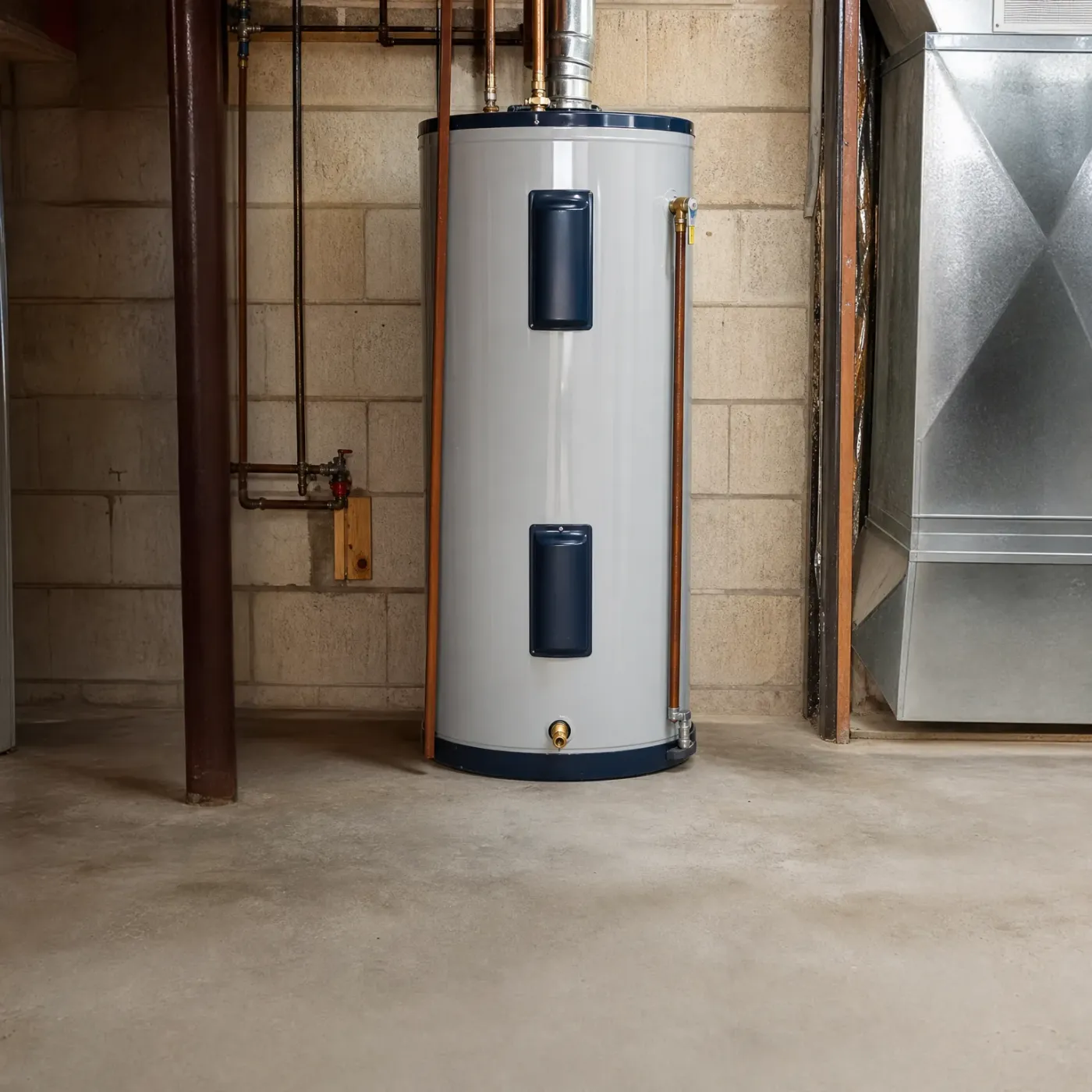
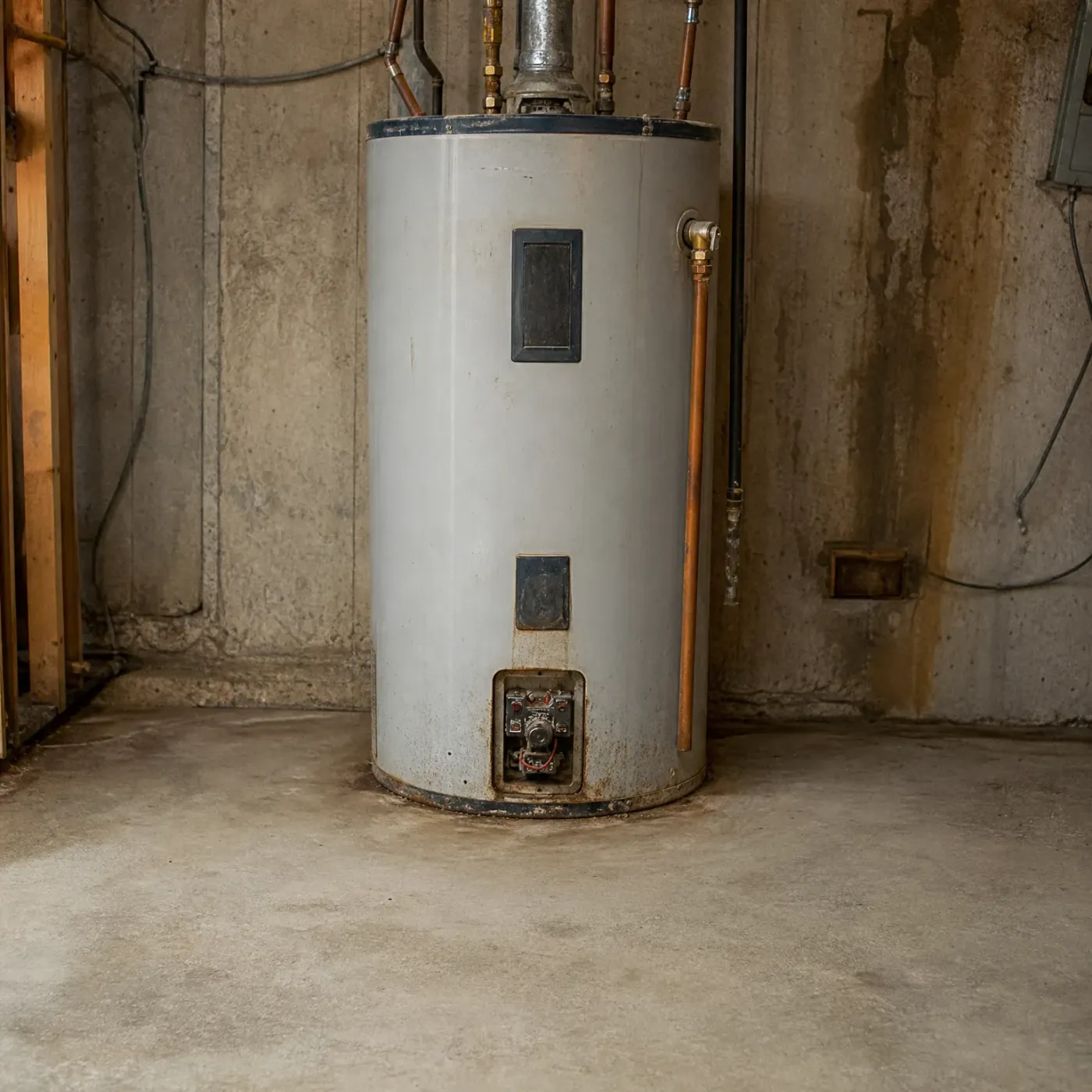
Whether a tankless water heater is worth it in Grand Island comes down to two things you can check this week: how long you're staying in the house, and what your gas line and vent can handle. Hall County winters are what make the difference obvious. Cold water off the main slows a tank's recovery, and that's when a tankless unit's steady output matters most. The gas line is the part that decides whether the switch is simple or needs work first, since a tankless unit pulls more gas at once than a tank ever does. Power here is cheap enough that the small draw from a tankless unit's igniter and fan barely factors in, so this isn't really an electric bill decision. If you're moving in the next few years, or the gas line coming into the house is undersized, a tank is still the cheaper and simpler install. But if you're staying long enough to see a tankless unit through its full life, which can run a decade or more past what a tank lasts, that extra life is where the switch starts to pay for itself. There's no single right answer for every house on the same street. It depends on what's already run to your water heater, how your household uses hot water, and how long you plan to be there to use it. A contractor who's looked at the line and the vent can tell you which side of that line your house falls on.




Let someone else find the pro
A licensed installer who works in Hall County gets your project.