Gas water heaters: sediment sits on the burner
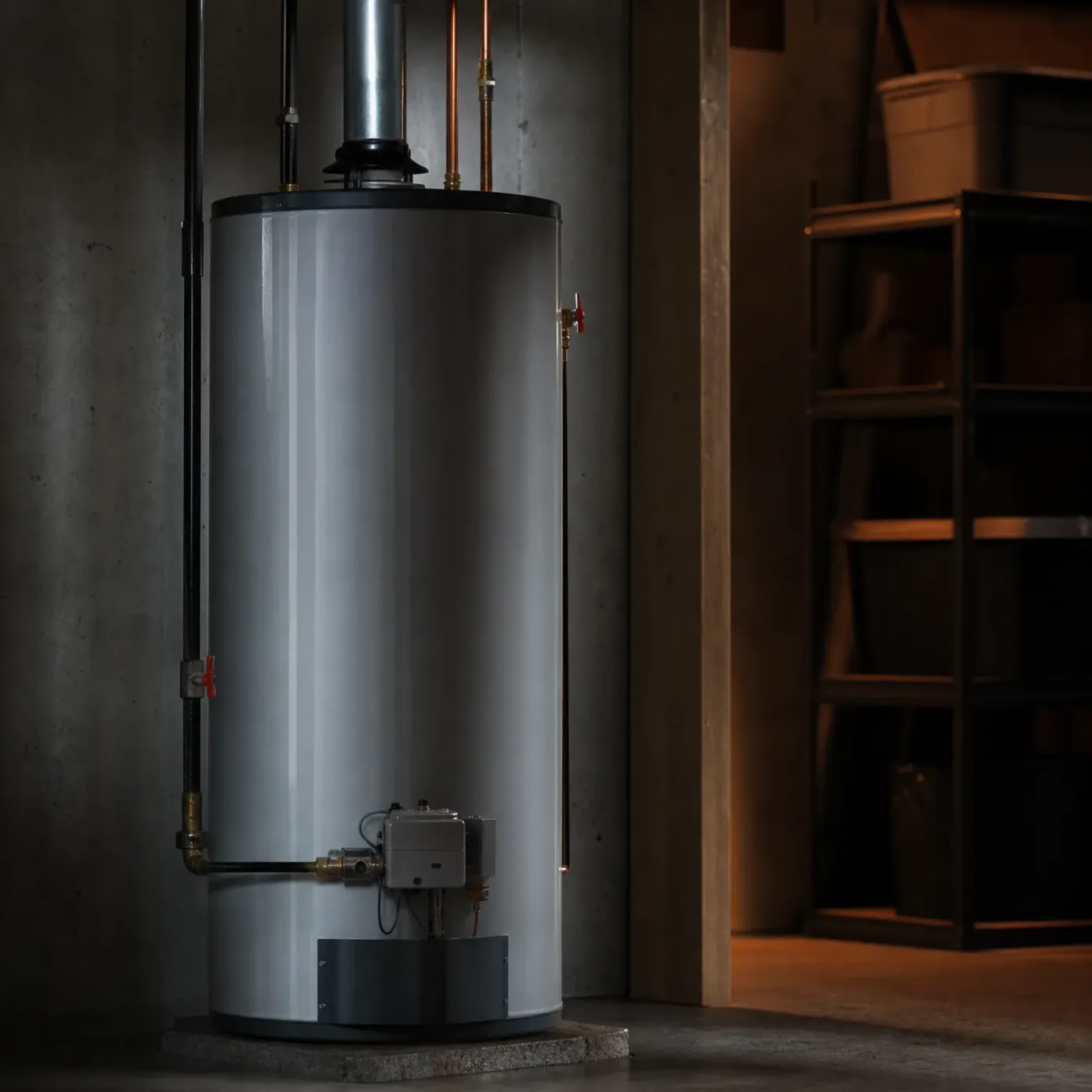
Hard water settles over the gas burner at the bottom of the tank. That layer blocks heat from reaching the water, so the burner runs longer to do the same job.
One form, no calling around
Nebraska water is hard enough to leave sediment in the bottom of a tank, and that buildup is what shortens a water heater's life. This page covers how often a tank needs flushing and what skipping it does over time. Finding someone to actually do it usually means calling around and explaining the same thing to every shop that picks up. Here, one licensed local contractor who services tanks like yours all year gets the call instead.
Skip the callsFlush your water heater once a year. That's the standard most manufacturers set, and in Nebraska it isn't optional the way it might be somewhere with softer water. Hard water here drops sediment into the bottom of the tank, and it settles there instead of washing out. Once a year, a contractor drains the tank and clears that layer before it builds into a crust. Skip it, and the sediment insulates the bottom of the tank from the burner, so the burner runs longer to heat the same water. Gas heats most homes here, and most water heaters here run on gas too, so that's a longer burn on every cycle, month after month. The sediment also traps heat against the tank itself, and that's what wears through the steel from the inside. A tank that gets flushed every year tends to last into its second decade. One that doesn't often fails years sooner, usually with a leak that means replacing it outright.


Hard water settles over the gas burner at the bottom of the tank. That layer blocks heat from reaching the water, so the burner runs longer to do the same job.
Draining the tank through the drain valve clears out what's settled before it hardens. A local contractor who works on these every season knows how much Nebraska water tends to leave behind.
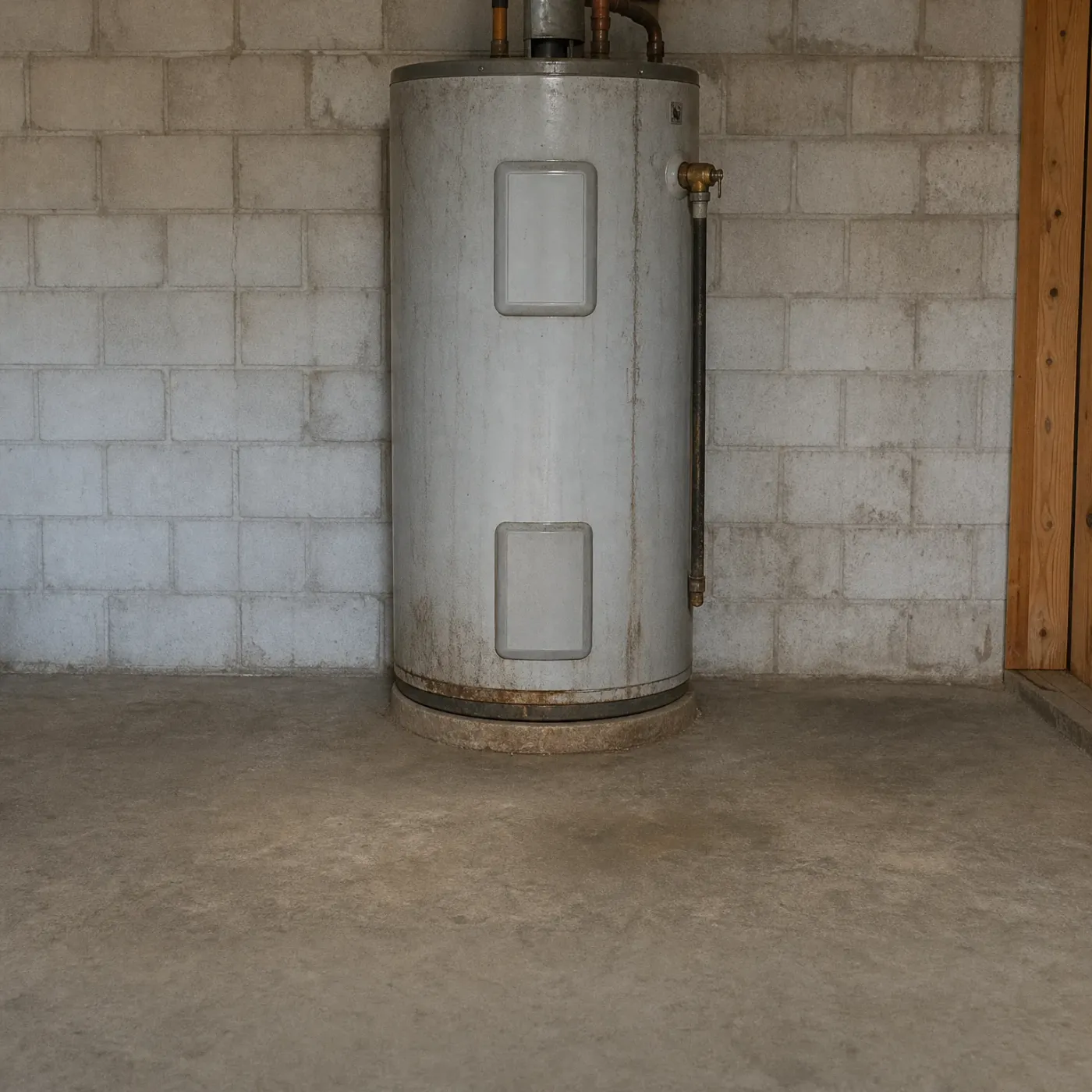
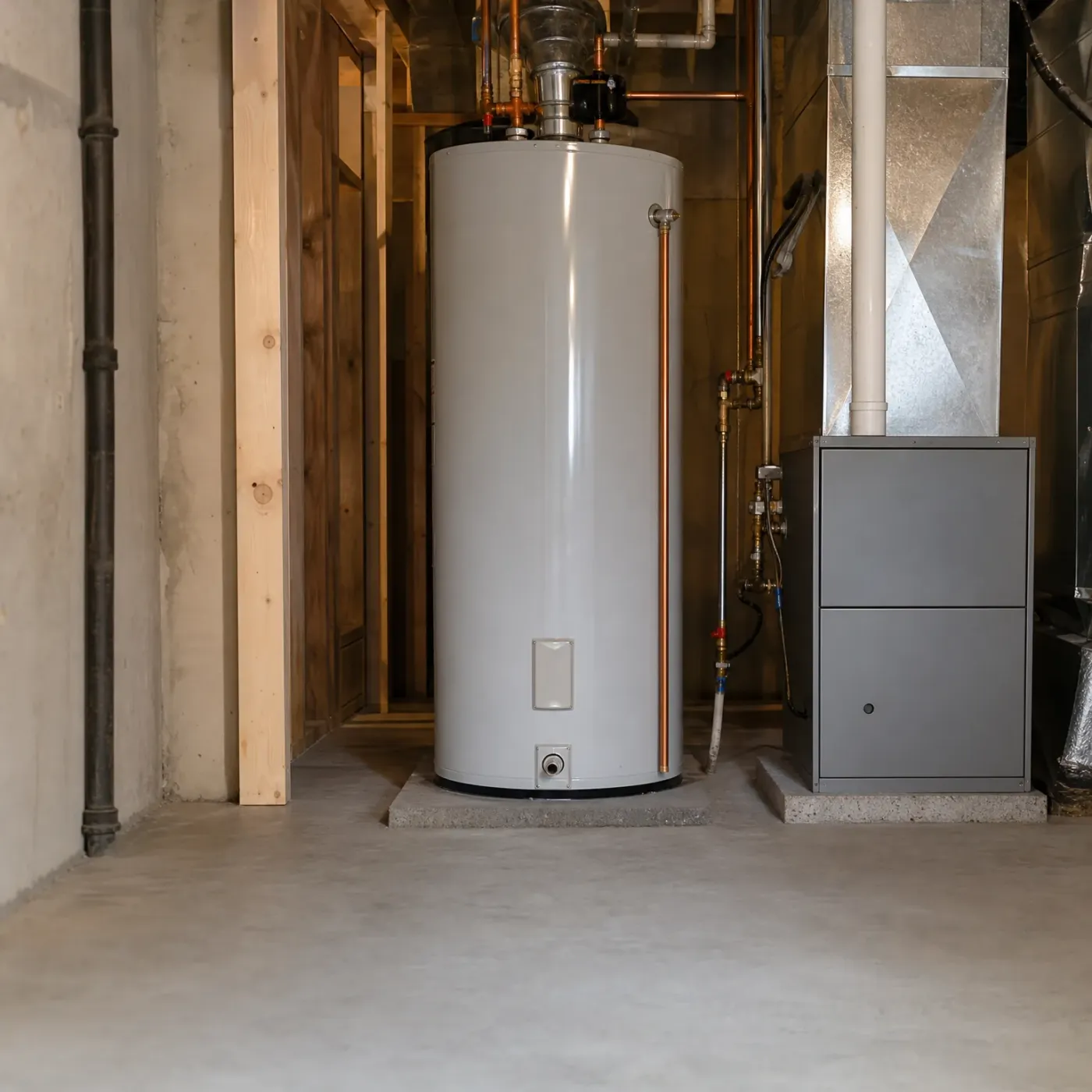
Sediment keeps building at the bottom of the tank, a little more each month. The burner has to push harder through that layer to heat the same amount of water, so it runs longer every time someone showers or runs the dishwasher. Over a few years that layer thickens into a hard crust. Some homes start hearing a popping or rumbling sound from the tank, which is water boiling underneath the sediment. The tank itself wears from the inside, and a water heater that would have lasted well past ten years can fail years earlier because of what settled on that burner.
Draining the tank clears the sediment off the burner before it has time to harden into a crust. The burner heats water directly again instead of fighting through buildup, so it doesn't run as long to get the tank up to temperature. A contractor who works on water heaters all over Nebraska knows what hard water does to a tank here and checks for it every visit, not just the flush itself. You get the full life the tank was built for, and one less thing to think about once it's done.
If your water heater runs on gas, you're not alone here. Most homes in Nebraska heat water the same way, and that gas burner sits right under the tank where sediment collects. A yearly flush keeps that layer from building up between the flame and the water it's supposed to heat.
ACS 2020-2024 5-year B25040




Flushing a tank isn't hard to understand, but it takes draining the water heater down, running fresh water through until it runs clear, and doing it right so you're not left with a half-job that doesn't help. Most homeowners don't have a hose bib wrench and a drain pan sitting around for a once-a-year task, and finding someone who'll actually show up for routine maintenance, rather than wait for a breakdown, means calling around, explaining your setup more than once, and sorting through quotes from people you don't know. A local contractor who flushes tanks all over Nebraska every season has seen what the sediment here does to a burner and knows what to check while the tank's already drained. That's one call instead of several, to someone who already knows the water you're dealing with. With hard water working against your tank every month it sits, getting this on the calendar now is worth more than waiting until the burner's already straining.
A water heater in Nebraska needs flushing once a year. That's the whole answer. The hard water here makes it a firmer number than it would be somewhere with softer water, because the sediment it leaves behind doesn't wait for you to get around to it. It settles under the burner and stays there, and every month you put off the flush is a month the burner has to push harder to do the same job. Skip enough years and that shows up as a higher bill, or a tank that fails before it should have.
None of that changes what the job actually is. It's draining the tank, running water through until it's clear, and getting the sediment out before it hardens into something a flush can't touch anymore. A contractor who does this across Nebraska all year knows what a tank that's gone two years without a flush looks like versus one that's kept up, and knows what to check while it's already drained rather than treating it as a quick in-and-out.
You'll be matched with one licensed local contractor, not a handful of companies competing for the callback. Someone who flushes tanks on this water every week doesn't need the situation explained twice. The flush itself stays routine. Finding someone who treats it that way is the part this page is for.

Skip the calls to every shop



