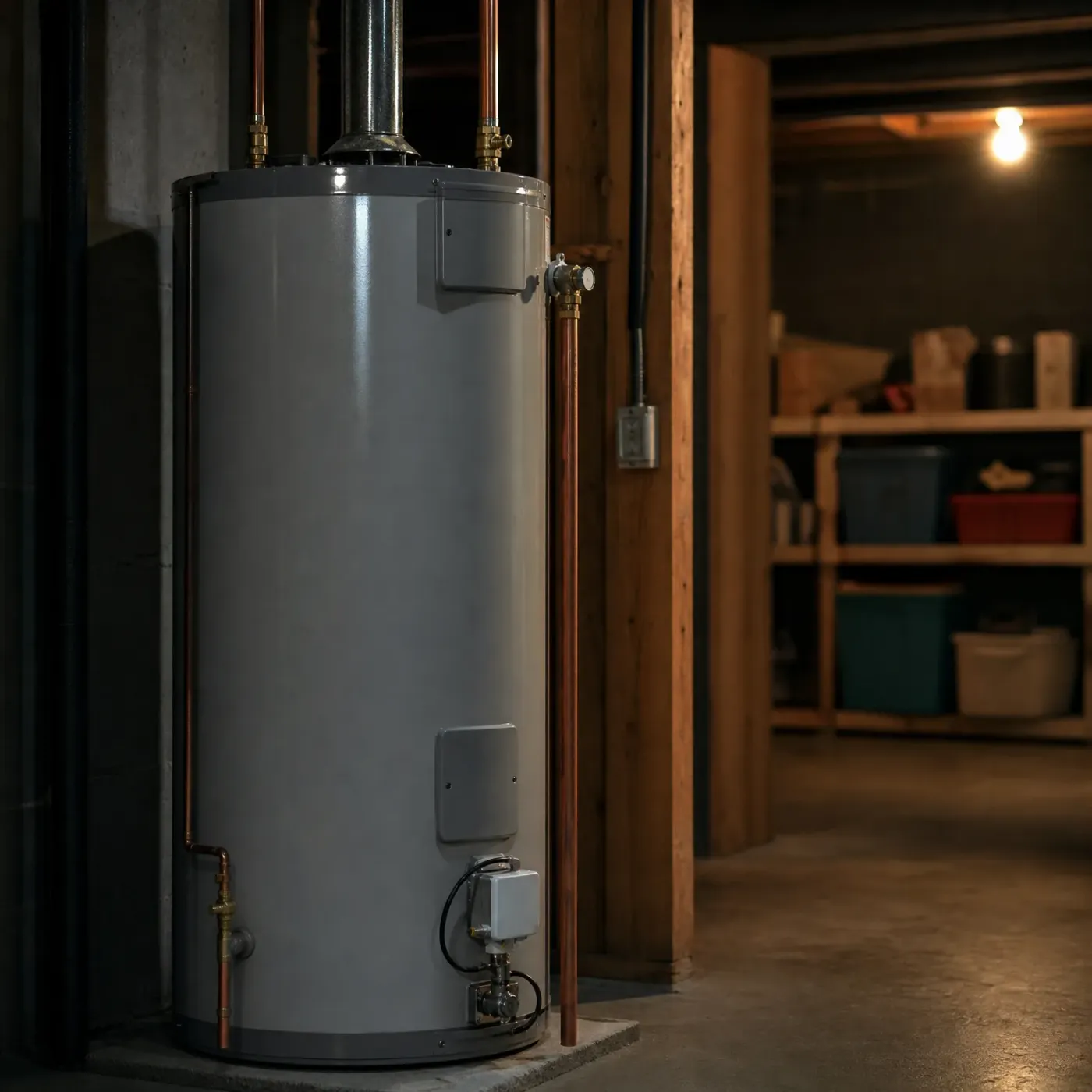
A large gray cylindrical water heater with copper pipes and a metal flue stands on a concrete pad in a dim basement, with wood framing and shelves of storage bins lit by a bare bulb behind it.

Finding a pro stops being your job

How long a water heater lasts in Nebraska

Ten years, twelve, longer if you're lucky, it depends on your water, your tank, and whether anyone's flushed it lately. This page gets into what actually wears a water heater out in Nebraska and how to tell yours is close to the end. When you're ready for a new one, send the form and stop chasing installers yourself.

Let a pro reach out

A water heater in Nebraska usually lasts 10 to 12 years. Gas models, which heat most homes here, tend to wear out a bit sooner than electric ones because the tank takes more direct heat and the burner assembly adds another part that can fail. What actually ends a tank's life is sediment. Minerals settle at the bottom and get baked onto the steel every time the burner fires, and over the years that buildup eats through the lining and causes leaks. If your water heater came with the house and nobody can say when it was installed, the safe assumption is that it's closer to the end than the start. Past year 10, it's worth having someone look at it before it fails on its own, usually in the basement, usually when you least want to deal with it.

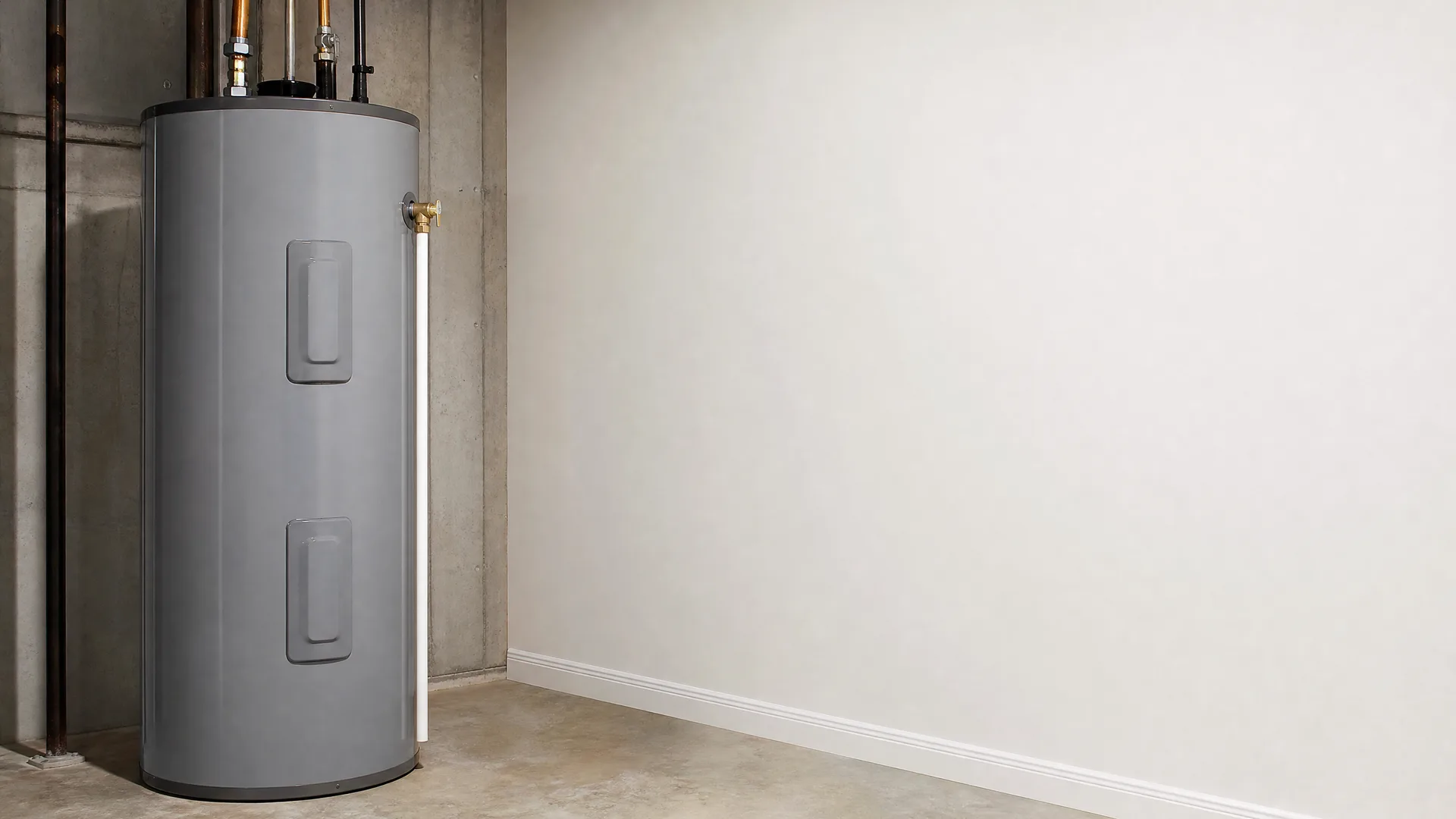
A gray cylindrical electric water heater with two access panels stands in a corner of a room with a concrete floor, connected to overhead pipes and a white drain pipe, beside a plain light-colored wall.

Sediment settles in the tank

Nebraska water carries minerals that drop to the bottom of the tank as the water heats. Gas models heat from below, so that layer sits right between the flame and the water, and the burner has to work through it every time the tank fires. Over the years that buildup hardens, and it's a big part of why gas tanks here tend to give out before electric ones do.

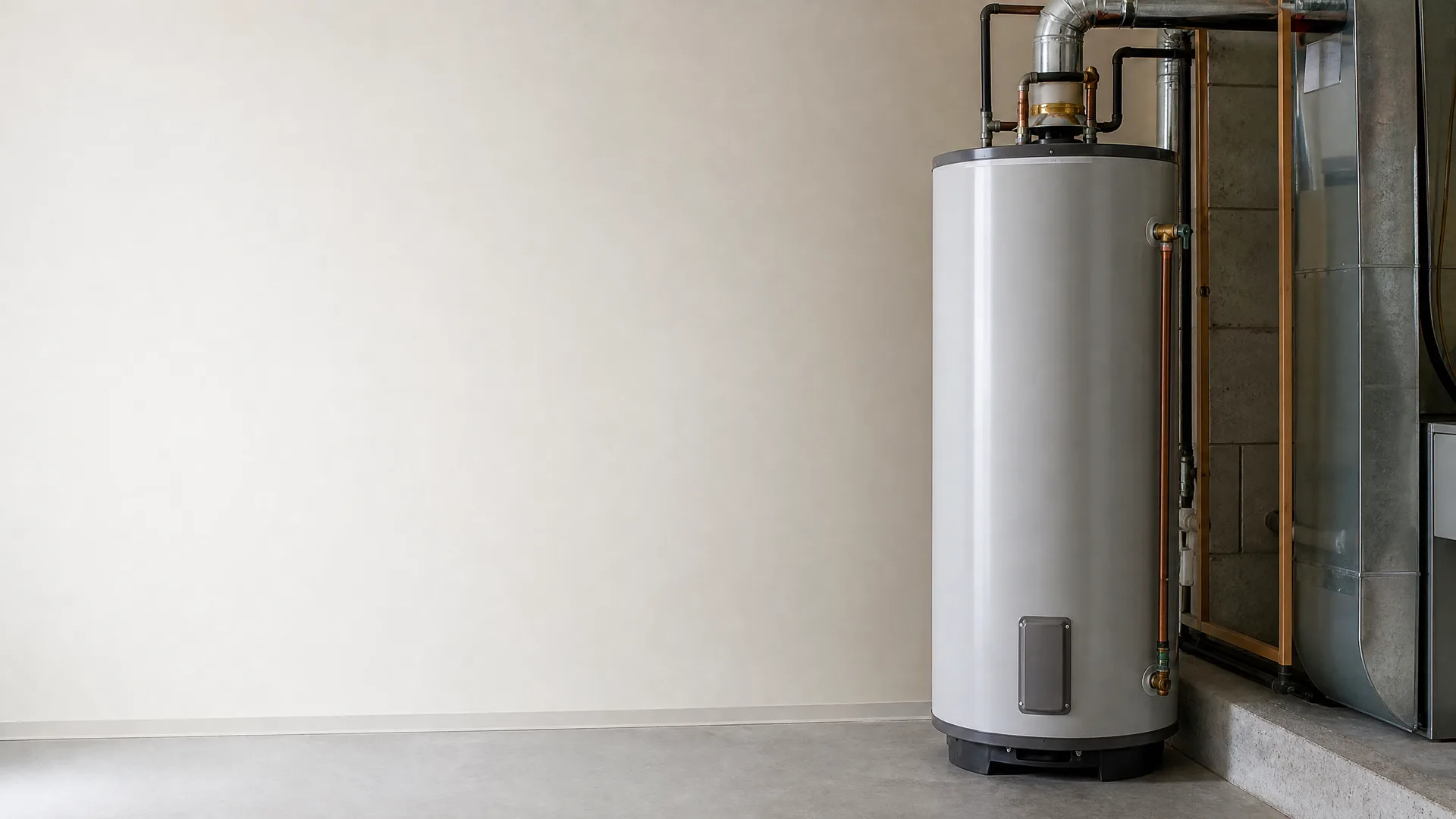
A tall cylindrical water heater with copper and metal pipes at its top stands against a plain beige interior wall on a concrete floor, beside ductwork and a raised concrete step.

A sign worth checking for

Rumbling or popping from the tank usually means sediment has built up enough to trap water underneath it, and that trapped water boils as the burner fires. It's one of the clearer signs a tank is working harder than it used to. A tank that's quiet one year and loud the next is further along than the calendar alone would tell you.

Why do gas water heaters fail sooner than electric ones?

You've seen the gas model in your own house working harder than it should, and you're wondering if that's just how they are. It's a fair question if you're trying to figure out whether to replace it with the same type or switch when the time comes.

The burner heats the tank from underneath, where sediment collects

A gas water heater has a burner under the tank and a flue running up through the middle to vent exhaust. That flue pulls heat through the tank fast, which is why gas units recover quicker than electric ones. It also means the bottom of the tank takes direct flame every time the burner fires. Sediment from Nebraska's water sits right at that spot, so the metal underneath works harder than the rest of the tank and wears through sooner. Electric water heaters use two heating elements submerged partway up the tank instead of a burner underneath. The heat spreads out rather than concentrating against one surface, so the tank doesn't take the same punishment where the minerals settle.

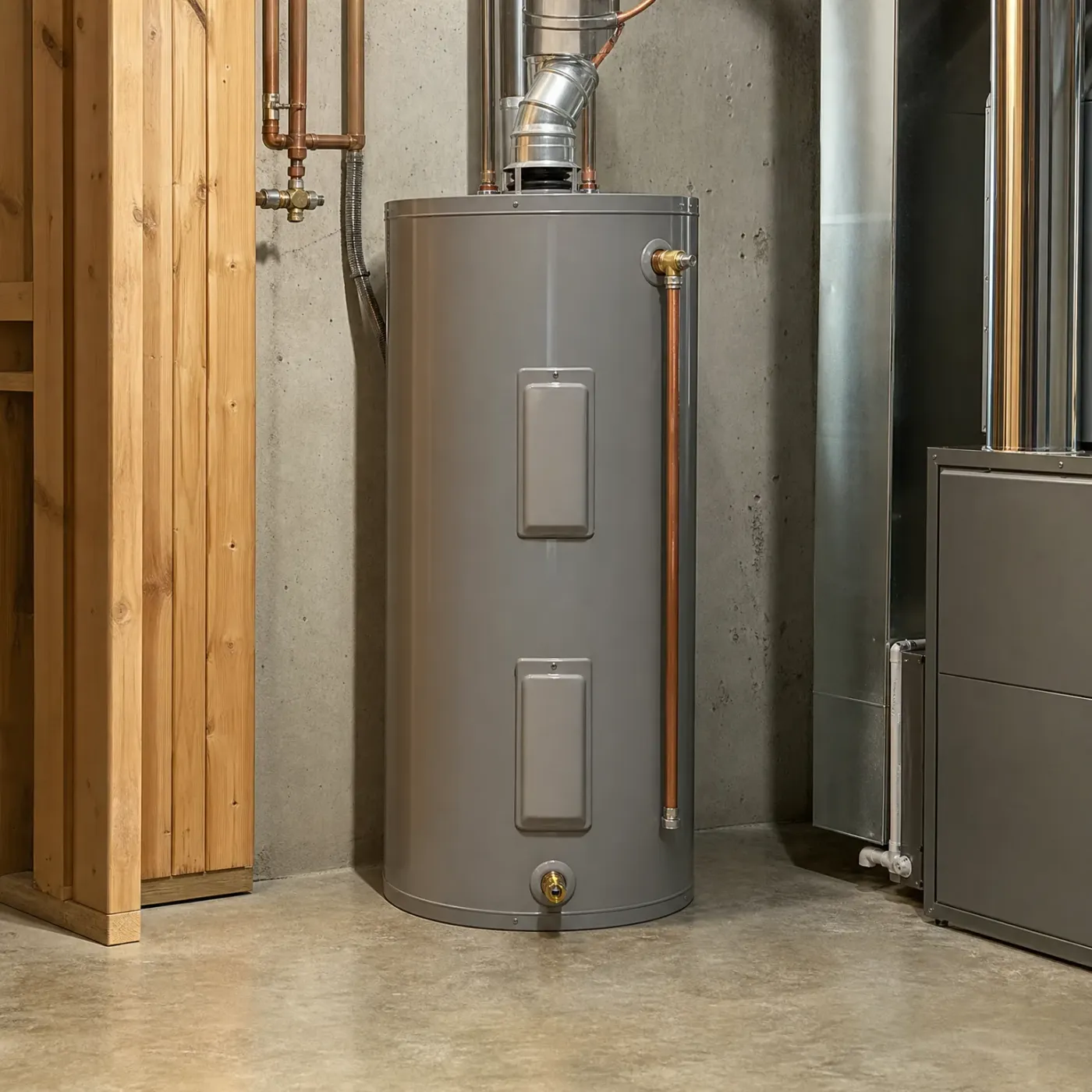
A gray cylindrical water heater with two access panels and copper piping stands against a concrete wall in a basement, beside wood framing and metal ductwork.

Still doing its job

A water heater like this is holding steady. The tank is clean on the outside, the fittings are dry, and the pressure relief valve has nothing to complain about. If yours looks like this, the only thing worth doing is flushing it once a year so the sediment doesn't get ahead of you.
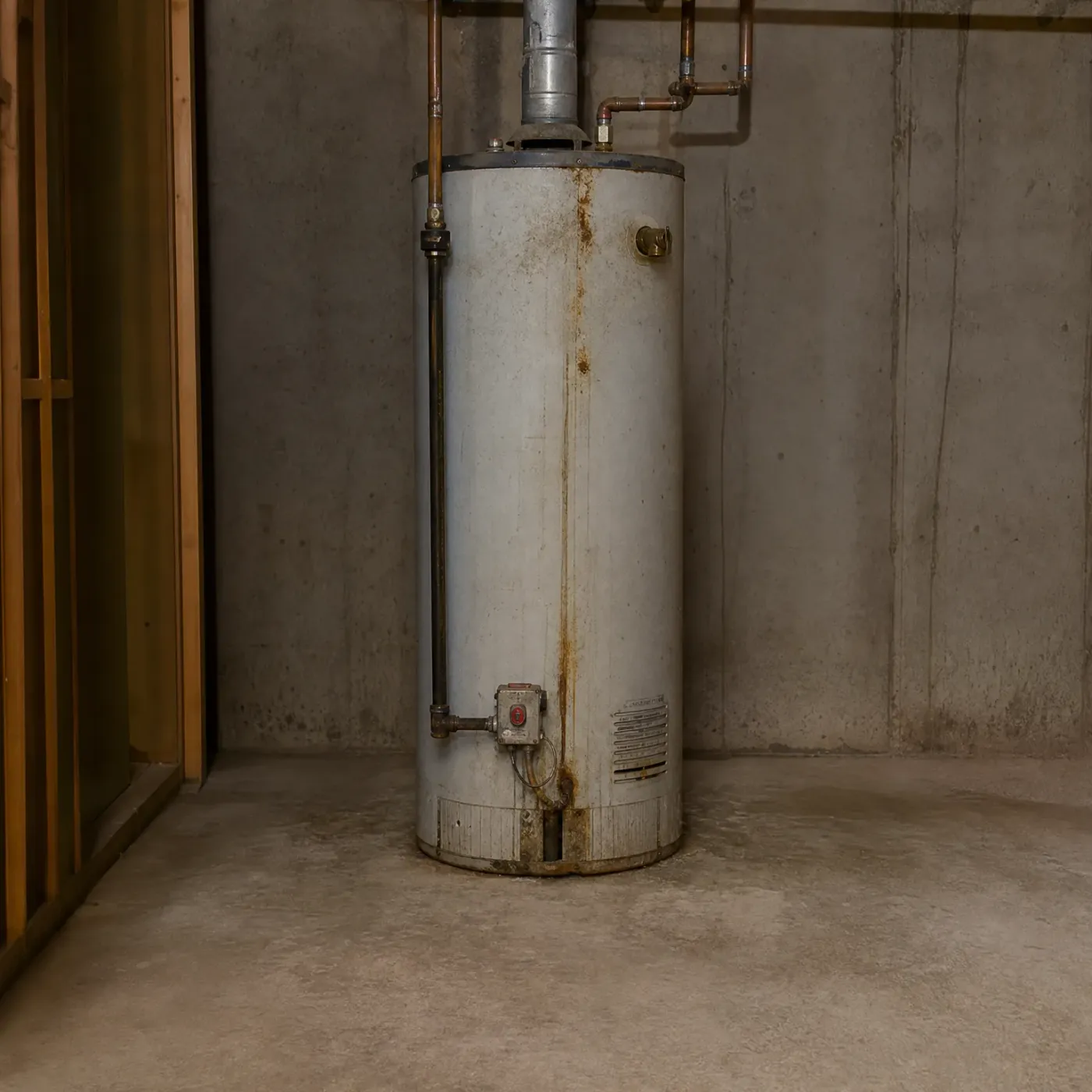

An aging rust-streaked gas water heater with copper and galvanized pipes stands against a bare concrete basement wall beside wooden stud framing.

Running on borrowed time

Rust like this on a gas water heater means the tank has been fighting its water for years. Once it shows on the outside, the inside is worse. A tank in this shape can hold on a while longer, or it can let go into your basement floor with no warning at all.

A man in a blue sweatshirt reclines with closed eyes in a brown leather armchair in a living room with a bookshelf, houseplant, sofa, window, and a side table holding newspapers and a dark mug.
A bearded man in a gray pullover reclines with closed eyes on a brown leather sofa in a sunlit room with a window, framed picture, potted plant, and a wooden cabinet holding papers and a dark mug.
A man in a gray sweater leans back with closed eyes in a brown leather armchair beside a wooden side table holding a dark mug and a folded newspaper, with bookshelves and a window seat behind him.
A man in a green sweater reclines in an armchair with his eyes closed and a slight smile, beside a window with plants, a small table holding a mug and folded newspaper, and bookshelves behind him.

Let someone else find the pro

Describe the project once instead of to every installer.

It costs nothing to send, and you don't have to hire anyone.

What a dying tank costs you

A gas water heater near the end doesn't just quit quietly. Most fail by leaking, and a tank full of water finding a way out means a wet floor, a ruined baseboard, maybe water under the flooring before you notice. Some homeowners catch it from a damp spot near the base. Others find out when the water stops getting hot at all, usually on a morning when someone's about to shower. Either way it's not a problem that waits for a convenient week. The older the tank gets past 10 years, the less warning you tend to get before one of those two things happens.

What replacing it actually takes

If your tank is past 10 years, replacing it before it fails means you pick the timing instead of a leak picking it for you. That's the whole difference. You're not stuck calling around, explaining the make and model to three different companies, and trying to compare quotes that aren't really for the same job. Send the form once and the search for who's available and qualified stops being something you have to manage. You still have to decide on the unit and get it installed, but the part where you're hunting for someone to call is done.

An older man with gray hair and a beard leans back on a beige sofa with his eyes closed, in a sunlit room with potted plants, a wicker chair and large windows behind him.
A woman in a cream knit sweater sits in an armchair with her eyes closed and a slight smile, beside an open window showing orange autumn foliage, with a mug, books and a lit candle on a small side table.

Replace it now or wait it out

If your water heater is nine or ten years old and still working fine, you can keep using it. Keep an eye on the pressure relief valve and the area around the base for any dampness. Some tanks make it to twelve or thirteen years without trouble, especially if the water in your house doesn't carry much sediment or if the tank has been flushed regularly. Waiting costs you nothing as long as nothing is wrong yet. The risk is that gas tanks tend to fail by leaking, not by a slow drop in performance, so there isn't always a long warning period between working fine and a wet floor.

Replace it before it fails

A tank at ten or eleven years with any sign of rust at the fittings, a pressure relief valve that's started dripping, or water around the base is past the point of waiting. Planning the replacement on your own schedule means picking the day, clearing the area, and not doing it with water already spreading across the floor. It also means you're not stuck without hot water while you scramble to find someone who can come out same day. Once you decide to go ahead, the form on this page takes the search out of your hands, no calling around, no comparing quotes yourself, and no explaining the same thing to three different companies.

59.2% of homes statewide heat with gas

Most houses in Nebraska run a gas water heater because that's what's already hooked up to heat the place. Gas tanks take more direct heat at the burner, so yours is likely on the shorter end of that 10 to 12 year range rather than the longer one.

ACS 2020-2024 5-year B25040

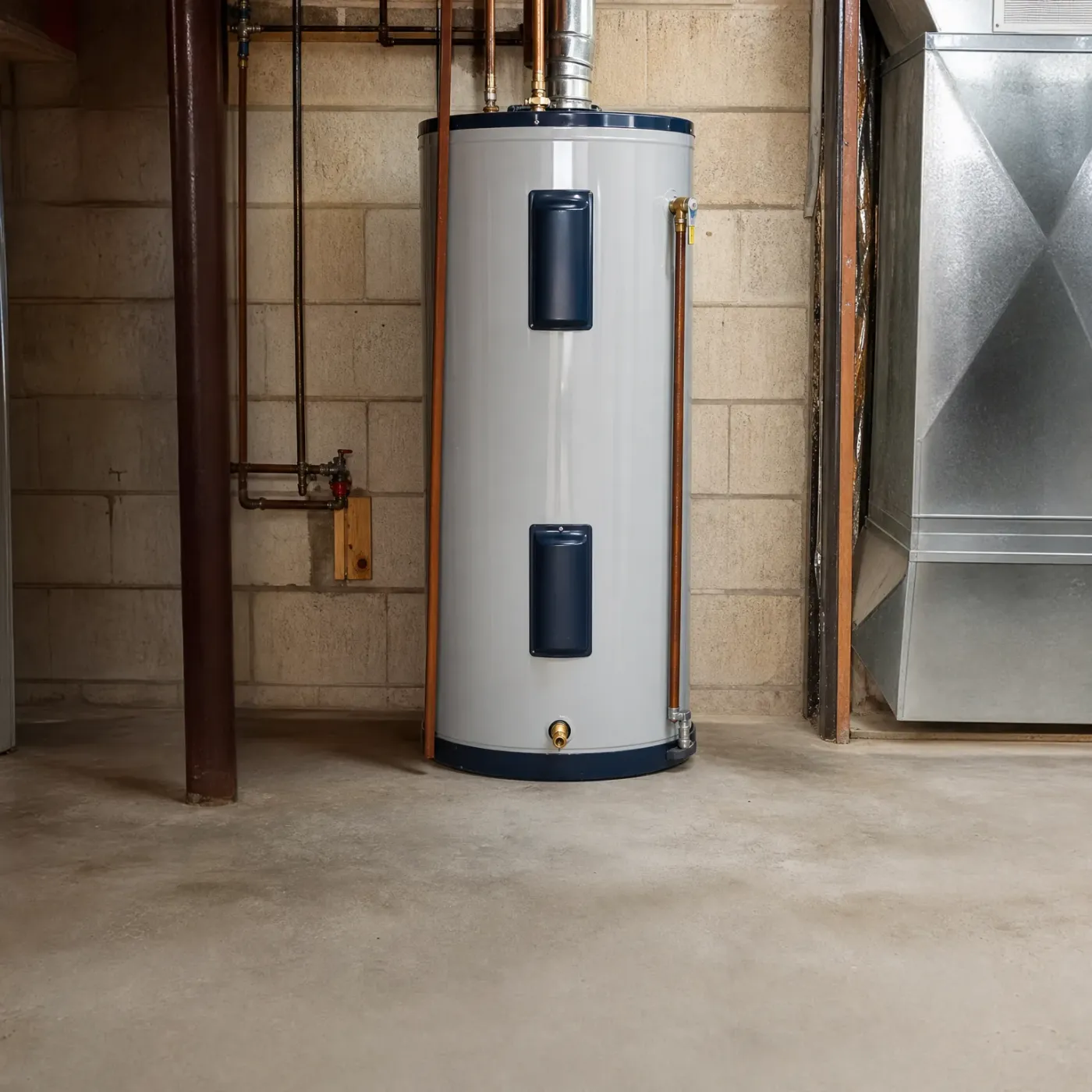
A white cylindrical water heater with two dark access panels stands on a concrete basement floor against a concrete block wall, with copper pipes, a flue duct above, and sheet metal ductwork at right.

Working as it should

Pipes are dry, the exhaust duct sits tight, and the fittings show no green or white crust. A tank like this is doing what a water heater in Nebraska is supposed to do, quietly, with nothing dripping onto the floor.

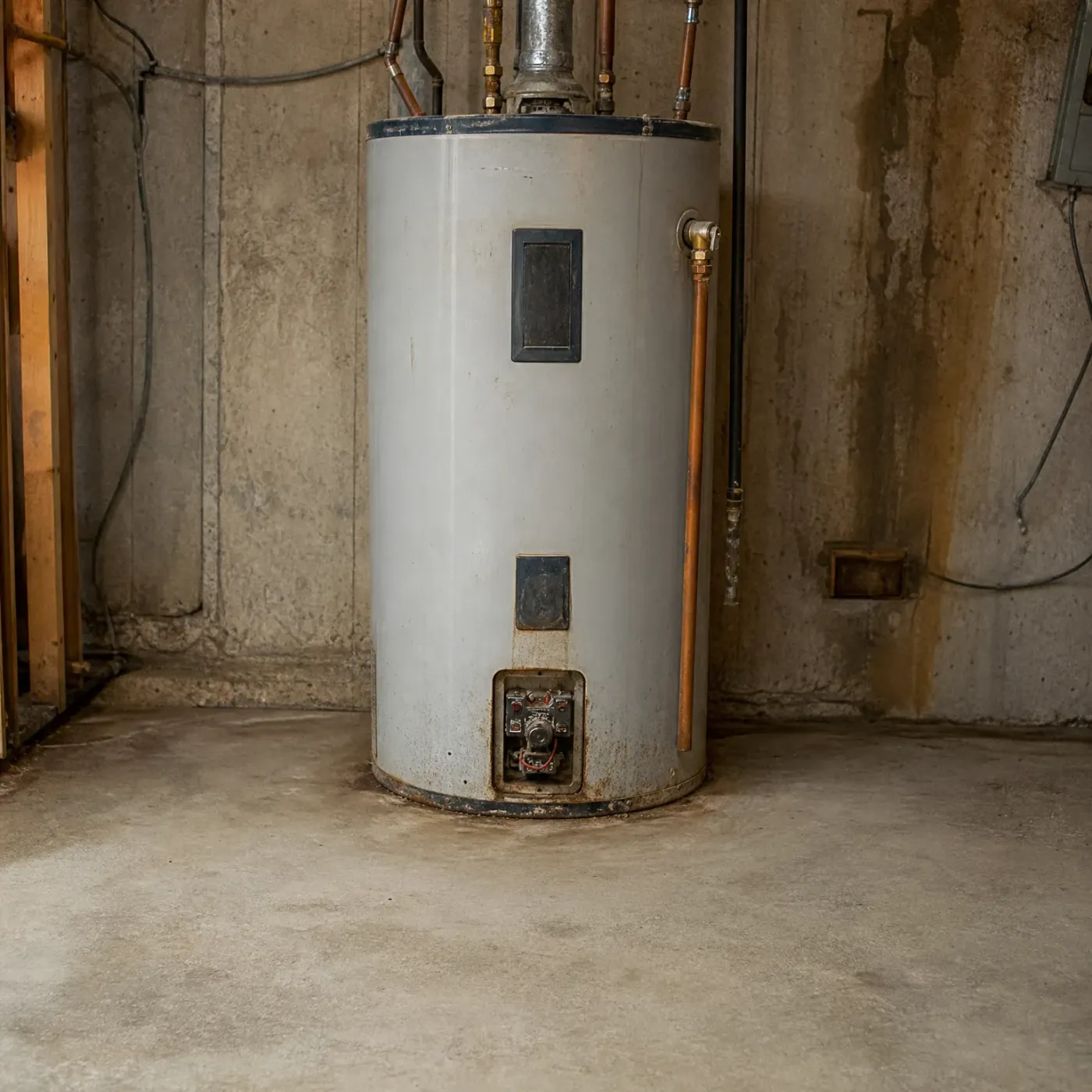
A white cylindrical water heater with copper piping and a gas control valve stands against a stained concrete basement wall on a bare concrete floor.

Near the end

Rust has worked its way across the panels and the wiring looks original to the house. Once rust shows on the outside, the tank has usually been corroding from the inside longer, and that's when a leak shows up without warning.

A closed silver laptop and a ceramic mug of dark coffee sit on a wooden table in front of two chair backs, with a kitchen counter, tiled backsplash, wooden cutting boards, a vase of greenery and a potted plant by a window behind.

10 to 12 years, sooner if the signs are already there

A gas water heater in Nebraska lasts 10 to 12 years. Yours might run a year or two past that, or it might not, depending on the water, the tank, and whether anyone's flushed it. The signs you've read here, rust at the fittings, dampness at the base, a pressure relief valve that's started acting up, tell you more than the age on the tank ever will.

If you're at that point, the part that's actually hard isn't deciding to replace it. It's finding someone who can look at your tank, tell you straight whether it's worth repairing or not, and get a new one installed before a slow leak becomes a flooded closet. Sending the form means you're done calling around and explaining the same thing three times to three different companies. Someone qualified takes it from here.

Interior corner of a room with a window and sheer curtain at left, a gray upholstered sofa with a cushion at right, and a round wooden table holding stacked books and a round vase with an olive branch.
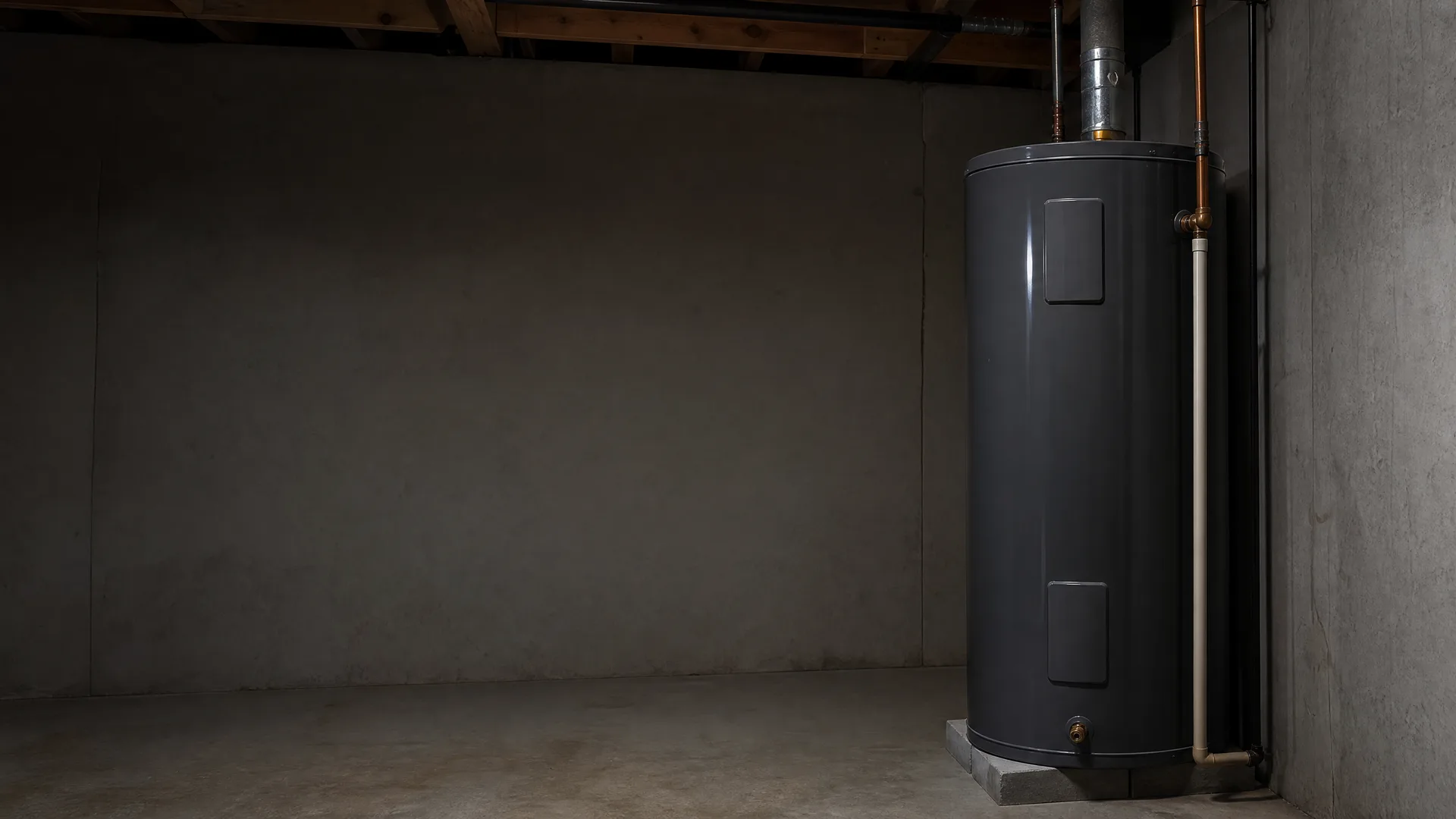
A dark gray cylindrical water heater with copper and metal pipes stands on a concrete pad in the corner of a dim basement with bare concrete walls and exposed floor joists overhead.

One request and it's handed off

Answer a few questions instead of calling shop after shop.

Step 1 of 3: Equipment