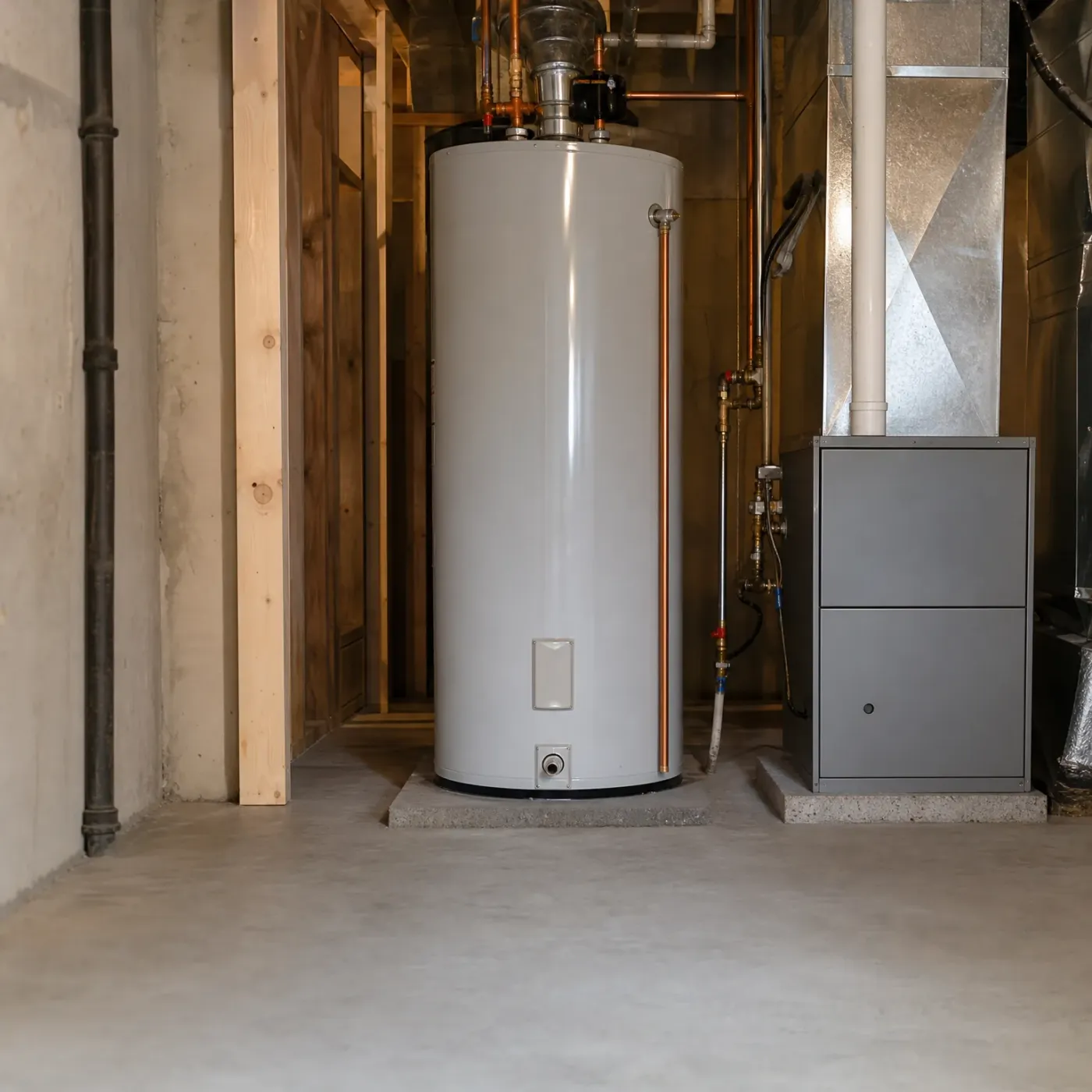
A tank that's keeping up
A clean, corrosion-free tank like this one usually means the anode rod is still doing its job and the water conditions haven't turned against it. Hot water should run clear and without any sulfur smell.
 Get a local pro
Get matched with a pro who fixes water heaters in Sarpy County.
That rotten egg smell in your hot water is usually hydrogen sulfide gas, and it almost always points to the anode rod inside your water heater tank. It reacts with certain water conditions and starts producing that sulfur smell. It is unpleasant, but it is a known problem with a known fix, not a sign you need to panic.
You could try to track down a plumber or an appliance tech who handles water heaters, but then you are explaining the smell over the phone to three different companies, waiting on callbacks, and comparing quotes without knowing which contractor actually deals with this often. That takes time you probably do not have, especially if the smell started today and the water still has to run for showers, dishes, laundry.
This page connects you instead with a contractor who works on water heaters in Bellevue and the rest of Sarpy County, someone who already knows the local water conditions that tend to cause this. You are not sorting through a general directory or guessing who is close by. You get matched to someone suited to your situation, and they are the one who reaches out to you, not the other way around.
Sarpy County winters are hard on home systems generally, and a lot of households here run gas water heaters, which have their own quirks when it comes to anode rods and tank conditions. A contractor who works in this area day to day has seen this exact smell before, in homes like yours, and knows what to check first.
Below is what is actually happening inside the tank and why it happens. But if you would rather skip straight to getting matched with someone who can look at your specific water heater, the button below does that.
That rotten egg smell is hydrogen sulfide gas, and it almost always comes from the anode rod inside your water heater tank. The rod is there to attract corrosion so the tank itself doesn't rust, and in the process it can react with sulfate-reducing bacteria that live naturally in groundwater. Bellevue and the rest of Sarpy County draw on well-fed water supplies where these bacteria are common, and a magnesium anode rod reacts with them more than an aluminum one does. The smell can show up in just the hot water, or in both hot and cold if the bacteria have spread into the plumbing. It does not mean the water is unsafe to use, but it does mean something inside the tank needs attention. Left alone, the rod keeps reacting and the smell usually gets stronger rather than going away on its own.
2.65 people per household on average
The average Sarpy County household has 2.65 people, which means more hot water draws a day and more water moving past that anode rod.
Half the homes here were built by 1996
Half the homes in Sarpy County were built in 1996 or earlier. An older water heater means more years for the rod to react with your water.
72.8% of homes heat with gas
72.8% of homes here heat with gas, and a gas water heater's anode rod works the same way, so this smell is a tank problem, not a furnace one.
ACS 2020-2024
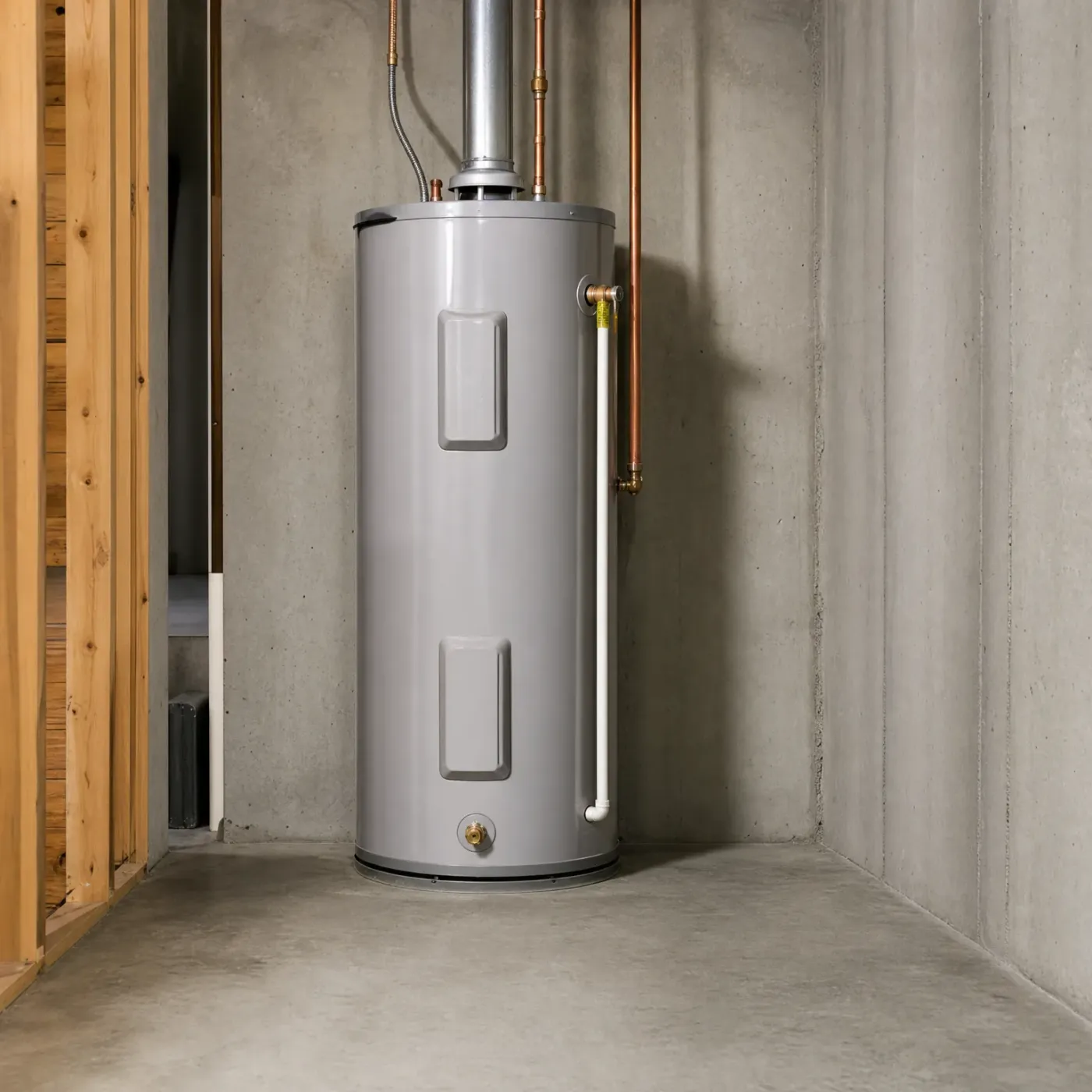
A clean, corrosion-free tank like this one usually means the anode rod is still doing its job and the water conditions haven't turned against it. Hot water should run clear and without any sulfur smell.
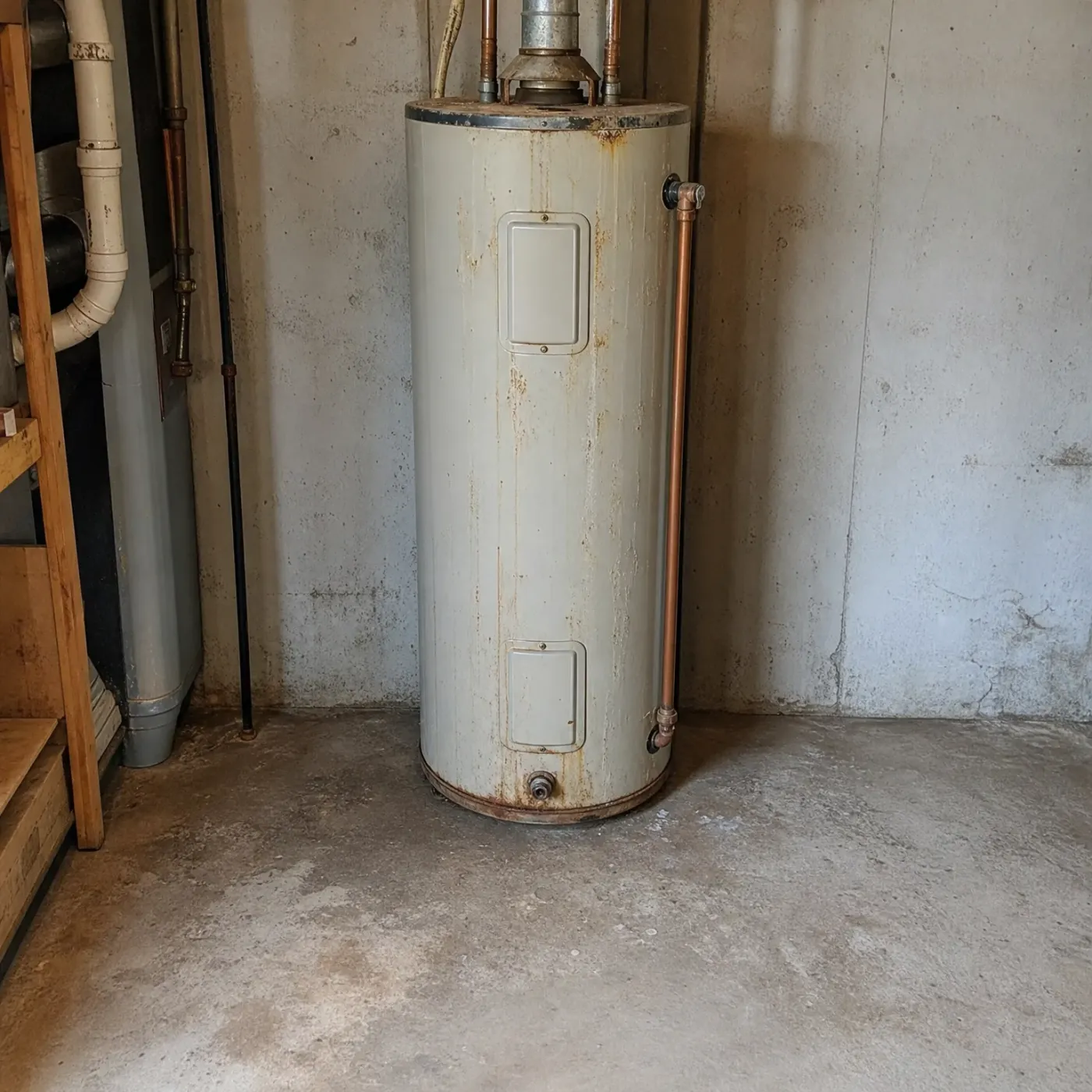
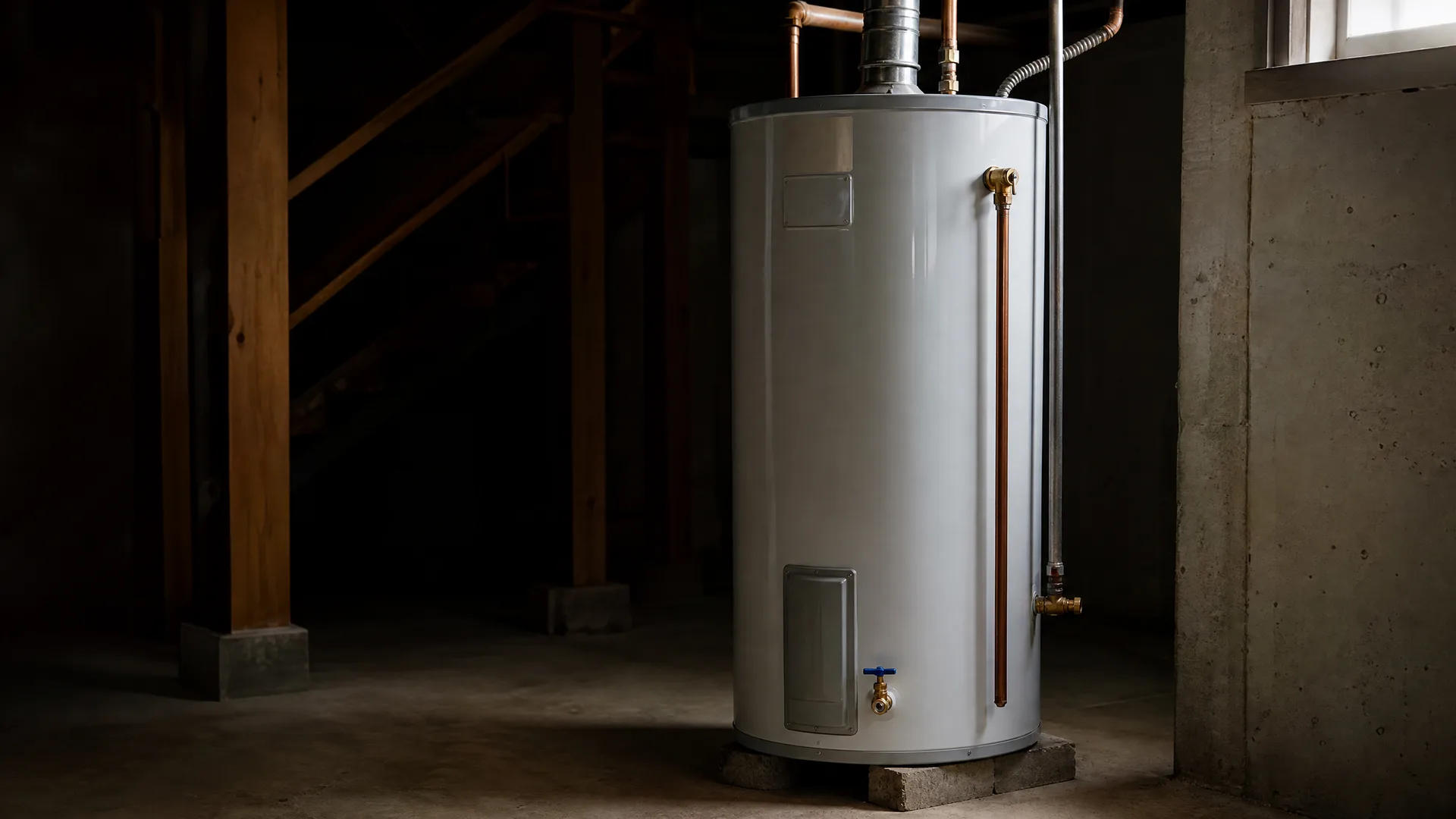
Rust and surface corrosion like this usually mean the anode rod is worn out or gone, leaving the steel tank exposed. Once that happens, the rotten egg smell often isn't the only problem showing up.




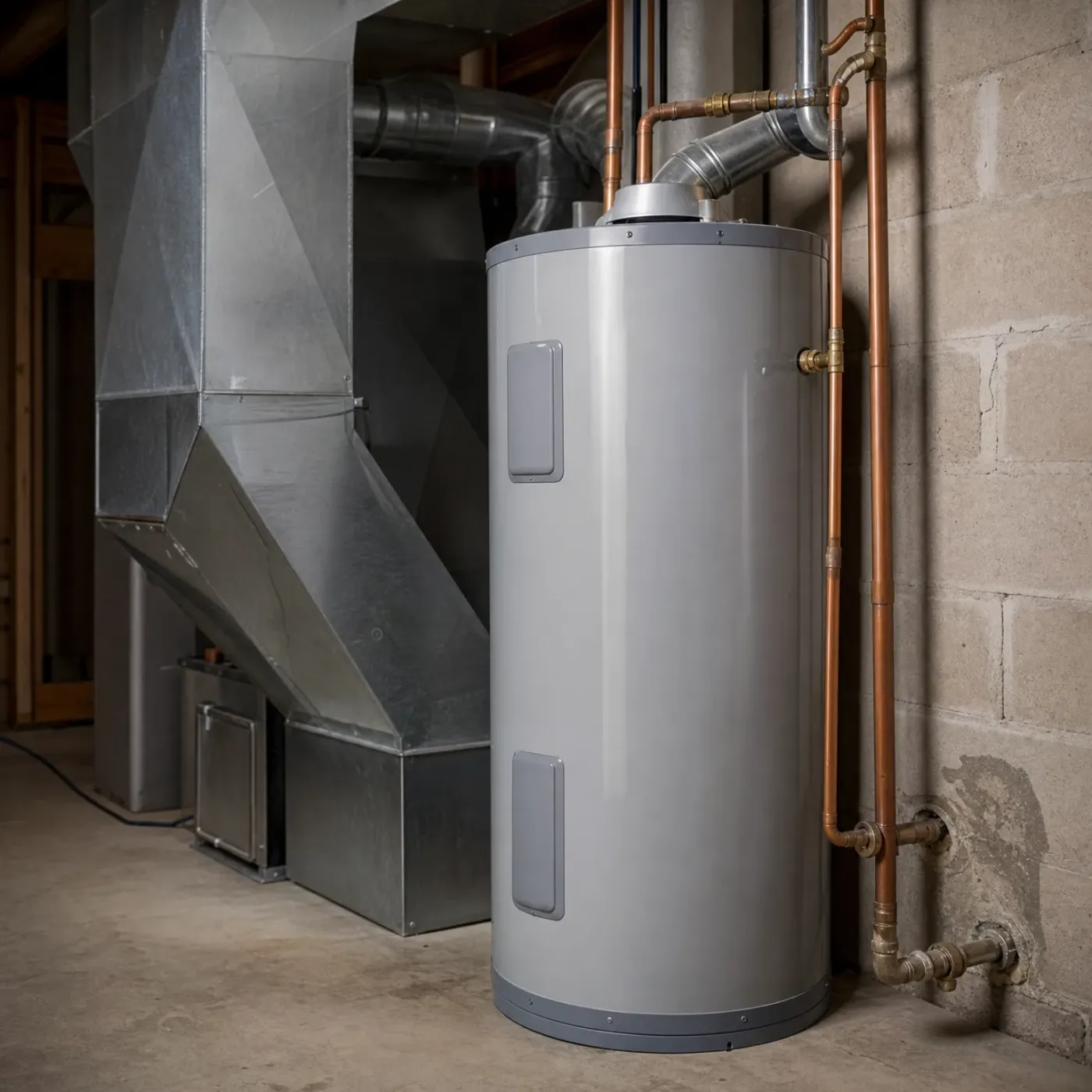
Describe what your water heater is doing once, in one form.
Get matched with a pro who works on water heaters in Sarpy County.
Sending the form costs nothing.

Magnesium is the most reactive metal used in anode rods, which is exactly why manufacturers use it. It sacrifices itself to protect the steel tank. But magnesium gives off hydrogen gas as it corrodes, and if sulfate-reducing bacteria are present in your water, that hydrogen combines with sulfate to form hydrogen sulfide. The rod is doing its job. The smell is a side effect of the chemistry, not a sign the tank is failing.

Well water carries more dissolved minerals and bacteria than city water, and Sarpy County has both well and municipal service depending on where you live. If your water comes from a well, sulfate-reducing bacteria have an easier time establishing themselves in the tank, and the smell can show up faster and stronger than it would on city water. A water heater on municipal supply can still develop the smell, just usually after more time has passed.
Run the cold tap first. If the smell is only on the hot side, it's the water heater, not the water coming into your house. You'll notice it most in the shower and at the kitchen sink after the tank's been sitting a while, like overnight or during the workday. Fill a glass and let it sit a minute before you decide, since the smell can fade fast once the water's moving. It may come and go rather than stay constant. Left alone, sulfate-reducing bacteria can keep building up in the tank, and the smell tends to get stronger over time rather than go away on its own.
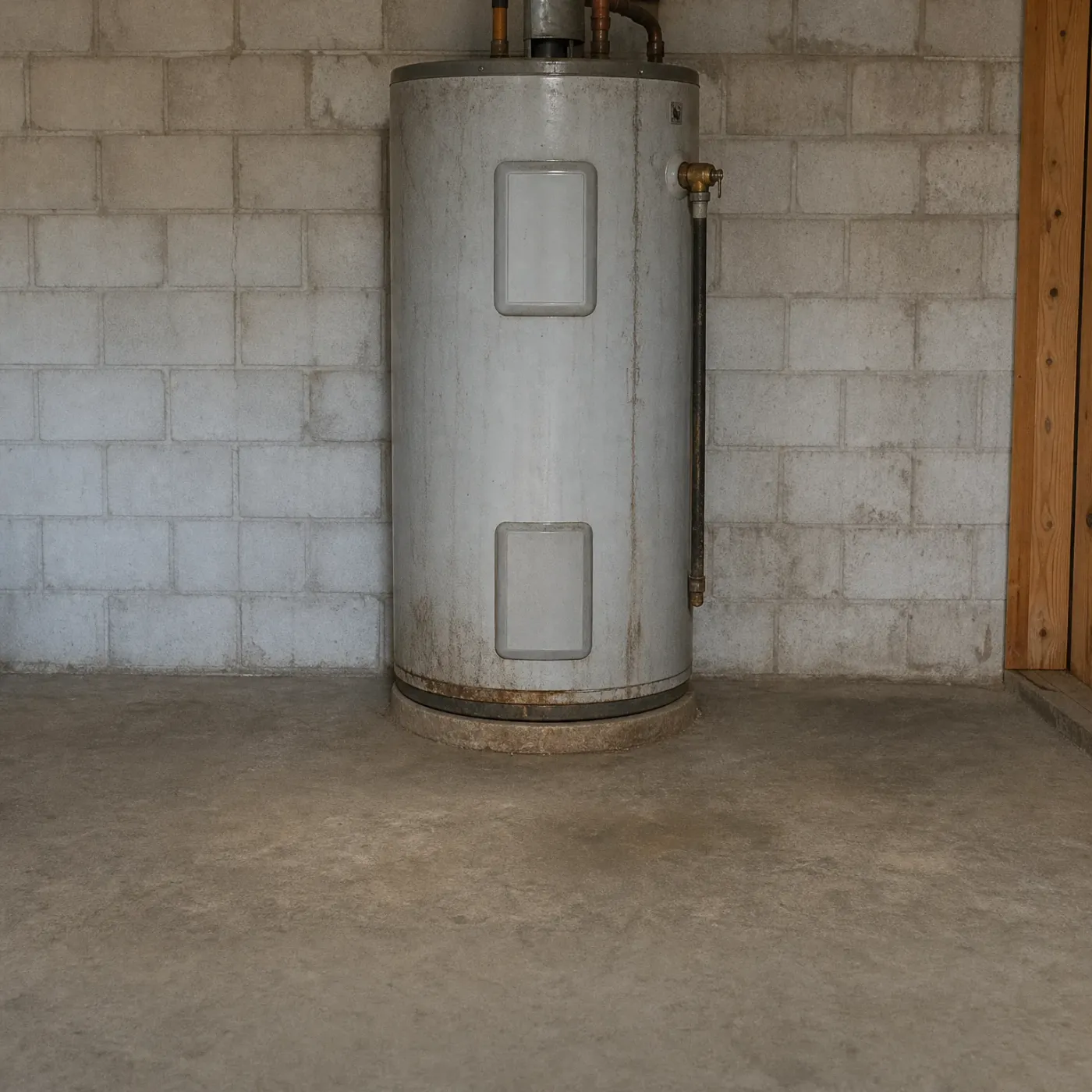
Power stays cheap in Sarpy County, around 12.85 cents per kilowatt-hour, so an electric water heater is never the expensive side of this problem. Swapping the anode rod or running the tank a bit hotter to clear up the smell won't show up much on your bill. The fix is worth doing right, not worth skipping to save power.
EIA-861 2025


The smell has an explanation, and it isn't a sign of anything dangerous in your water. Your water heater's anode rod is doing the job it's built to do, protecting the tank from rust, and somewhere along the way it started reacting with the water in a way that produces that sulfur odor. That's it. Checking the cold tap told you whether the problem stops at the water heater or runs through the house. If it's just the hot side, the fix sits inside the tank, not in your plumbing.
From here, a contractor can pull the existing rod and put in an aluminum or zinc-alloy one, which usually ends the smell without replacing the whole unit. That part of the job takes someone who's done it before and knows what to check once the tank is open. What doesn't need to take your time is finding that person. You shouldn't have to call around Bellevue and Sarpy County explaining the same rotten egg smell to five different contractors, then sit with five different quotes trying to figure out who actually knows this problem. Getting matched with someone who handles this specific repair means you describe it once, to one person, and they take it from there. The smell has a cause and a fix. The only open question is who does the work, and that's the part this page can settle for you.
Find a water heater repair pro in Sarpy County