A Scotts Bluff County pro who repairs water heaters gets your request.
A shower that goes cold after a few minutes isn't something you learn to work around. Something in the tank or the system has changed, and it won't fix itself.
In Scottsbluff, most homes run on gas water heaters. When one starts falling short, the cause is usually one of a few things: a burner that can't keep up, a tank losing capacity to sediment, or a thermostat not reading right. Sometimes it's simpler, a unit that was undersized for the house from the start. None of these are things you can tell apart just by watching the water run out faster than it used to.
What you need isn't a guess, it's someone who can open up the unit and tell you which of those it actually is. That's a different thing than finding a name in a search result and hoping they pick up.
Send in what's going on here and a contractor who works on water heaters in Scotts Bluff County gets matched to it. They'll have your situation in hand before they call you, not just a general idea that your water runs out fast. That means the conversation starts further along than it would if you rang around yourself.
Once you send the form, the work of finding someone stops being yours to carry. You're not left waiting by the phone wondering if you dialed the right company or if they even do repairs. The match is made, and the contractor reaches out from there.
Cold showers in the middle of winter here aren't a small thing to live with. Scotts Bluff County winters are hard, and hot water isn't optional. Whatever is cutting your water heater short is worth having someone look at directly, with your actual unit in front of them, rather than staying a mystery you just plan around.
Why does my hot water run out so fast?
You used to get a full shower, maybe two, out of your water heater. Now the hot water gives out before you're done rinsing, and it's happening more than once. Something changed, whether that's sediment building up in the tank, a heating element or burner that isn't keeping up, or a tank that's too small for what your household needs now.
Sediment or a failing heating element is the usual cause
Most of the time, the tank has built up a layer of sediment on the bottom. That layer sits between the burner and the water, so the gas heats the tank instead of the water inside it. The result is a shorter supply of hot water even though the tank hasn't shrunk. On a gas water heater, the other common cause is a thermocouple or burner that's no longer holding a steady flame, so the water never gets fully heated before it's drawn down. Either way, the tank is working harder to produce less, and the problem doesn't correct itself. It gets worse as more sediment collects or the burner keeps falling further behind.
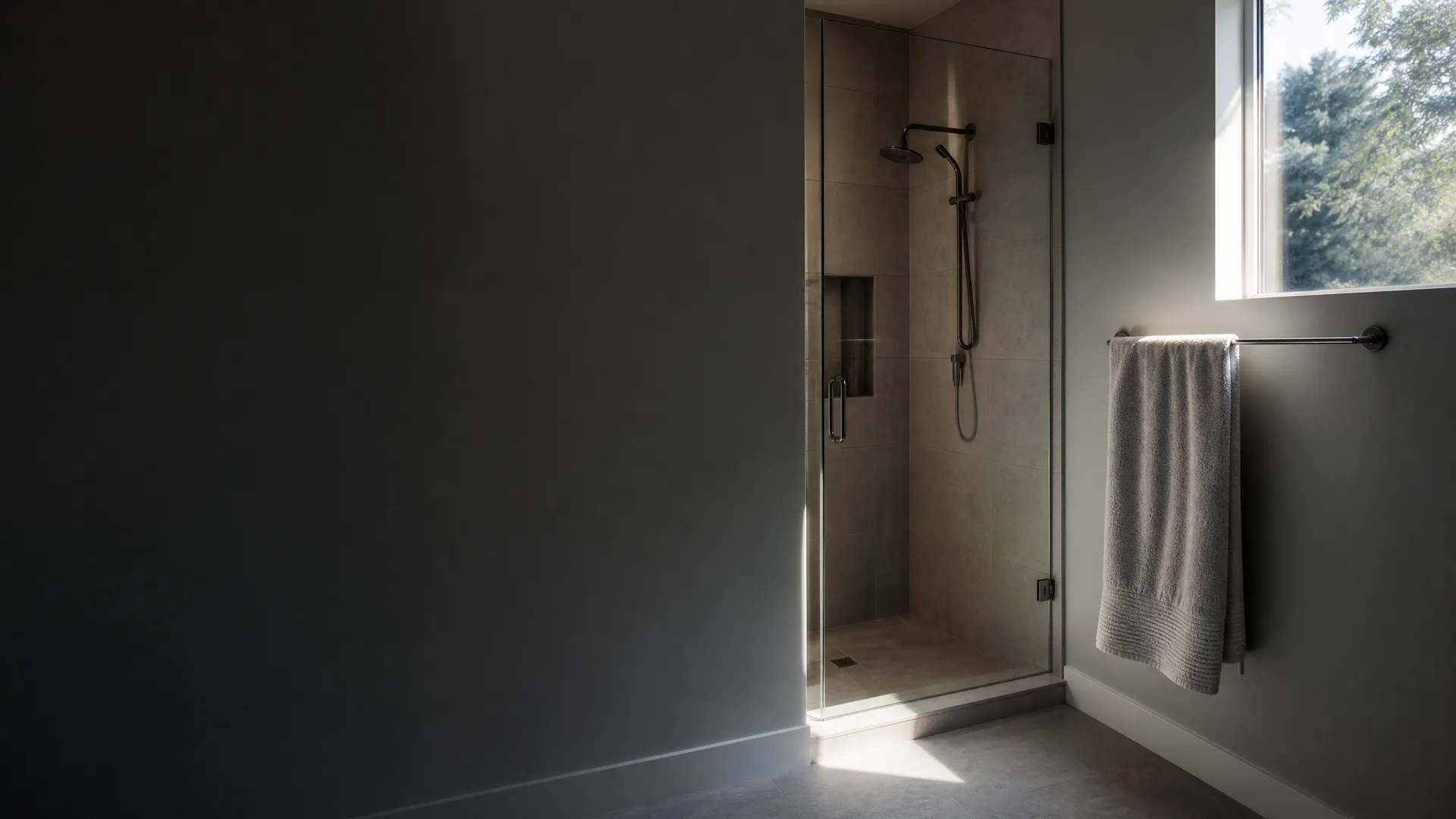
The alarm went off early, same as every weekday, and you got in the shower still half asleep. Two minutes in, the water turned cool. You nudged the handle further toward hot, out of habit, but there was nothing left to give. You finished fast, teeth almost chattering, while the towel sat on the rail waiting for a shower that didn't happen the way it should have. Outside, the Scotts Bluff County morning was already cold against the window. You stood there afterward, dripping, doing the math on how long it had actually been hot. Not long. Shorter than yesterday, if you're honest. Somebody needs to look at that tank before next week.
A tank that used to carry the whole family through showers and still have hot water left doesn't lose that capacity for no reason. Sediment settles at the bottom of a gas water heater over time and takes up space the hot water used to fill, so the tank runs out sooner even though nothing about your routine changed. A failing heating element or a dip tube that's broken off can do the same thing, cutting off hot water well before the tank should be empty. None of that gets better by waiting through another winter of short showers. A licensed plumber can tell you which one you're dealing with and whether it's worth repairing or replacing, but that call is hard to make on your own without opening the tank up. Send the request and let someone who does this daily take it from here. You've got enough going on without tracking down who's free this week.
How the Tank Actually Heats
A gas water heater fires the burner under the tank, and it only runs until the thermostat senses the set temperature, not until the tank is full of hot water.
The dip tube feeds cold water to the bottom of the tank, and if it cracks or breaks, incoming cold water mixes straight into the hot layer near the top.
Hot water sits above cold inside the tank because hot water is lighter, so the water leaving from the top is only as hot as that top layer stays.
Sediment on the bottom of the tank sits between the burner and the water, so the burner has to run longer to heat the same amount of water.
A thermocouple or gas control valve that's drifted out of adjustment can hold the burner to a lower output than the tank was built to deliver.
The burner cycles on and off in response to a thermostat reading from the side of the tank, and a faulty thermostat can shut it off before the water's actually hot.
A gas water heater doesn't fill the tank with hot water and wait. The burner underneath fires until a thermostat on the side of the tank reads the set temperature, then shuts off, and that's it until the water calls for heat again. Inside the tank, hot water stays near the top because it's lighter than cold, and that top layer is what feeds your shower. Cold water comes in through a dip tube that's supposed to carry it down to the bottom, away from the hot layer. If that tube has cracked, cold water dumps in near the top instead and cools the water you're about to use. Sediment settles at the bottom over time, and it sits right between the burner and the water above it. The burner has to push heat through that layer before the water even starts warming, so it runs longer for the same result, and sometimes it can't keep up at all. A thermocouple or gas control valve that's drifted can also hold the burner to less output than the tank is built for, which means less hot water made per cycle. And if the thermostat itself is reading wrong, it can tell the burner to stop before the tank is actually hot, so you start your shower with less than a full tank of hot water behind you. Each of these changes the same way: less hot water, sooner cooling, no matter how careful you are with the handle.
Why does hot water run short so often in this house?
2.32 people per household on average
Most households in Scotts Bluff County run 2.32 people. A tank sized for showers twenty or thirty years ago is still carrying the same number of people, or more, every morning.
Half the homes here were built by 1969
Half the homes in Scotts Bluff County were built in 1969 or earlier. A water heater that age in plumbing terms has likely been replaced more than once, and the last one may not match what the house needs now.
60.9% of homes heat with gas
60.9% of homes here heat water with gas, more than any other fuel. A gas tank's burner and dip tube are the parts worth checking first when hot water runs out early.
ACS 2020-2024
1
Burner fires and heats water at the tank's base first.
2
Sediment layer blocks heat from reaching water above it.
3
Thermostat reads a false temperature and shuts the burner off early.
4
Hot water on top runs out faster than the tank's rated size suggests.
Working the way it should
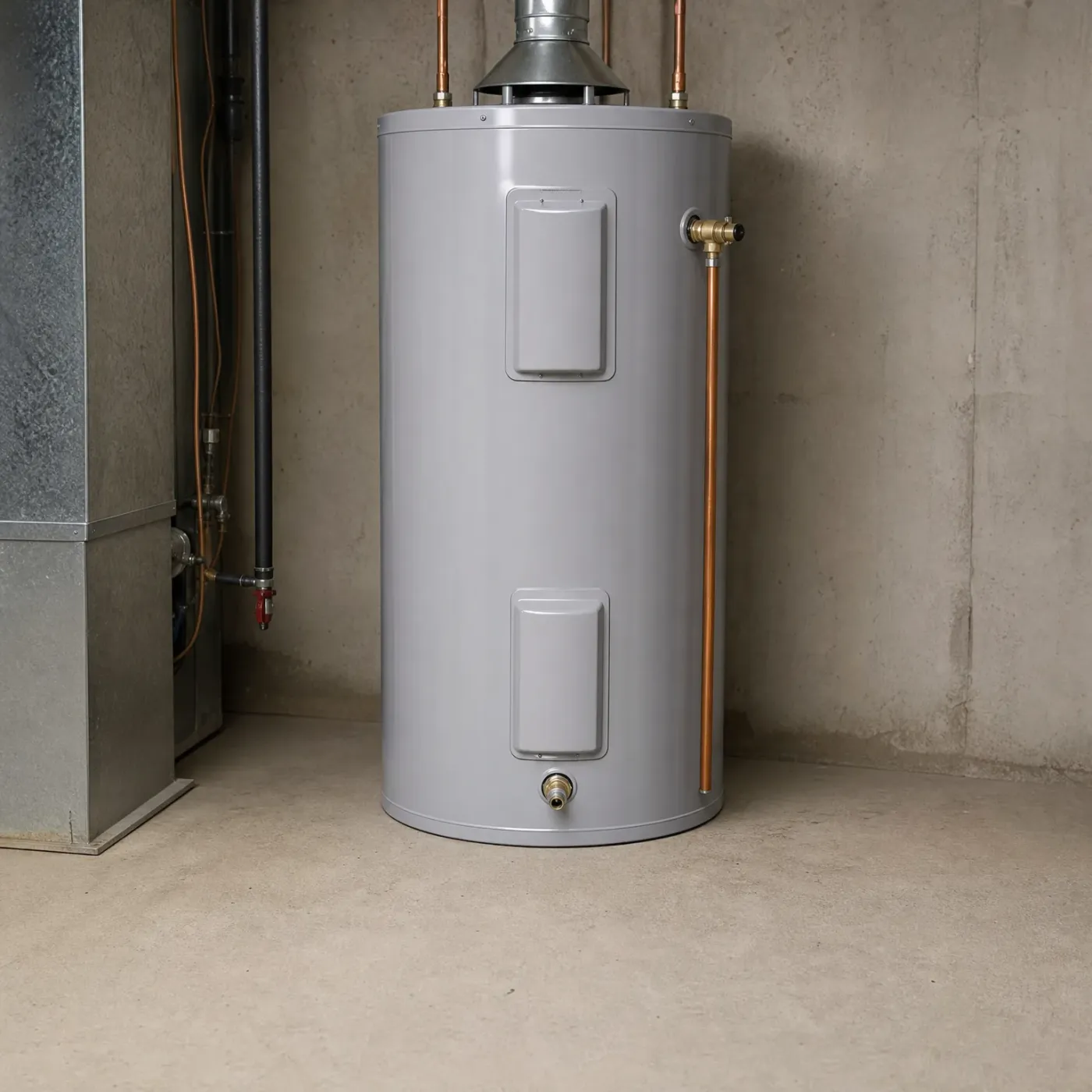
This tank sits clean, with both access panels shut and the relief valve's discharge pipe clear. No rust on the floor, no staining on the jacket. Water inside heats evenly and the thermostat reads the real temperature, so the burner runs the full cycle it's supposed to.
Rusted out and failing
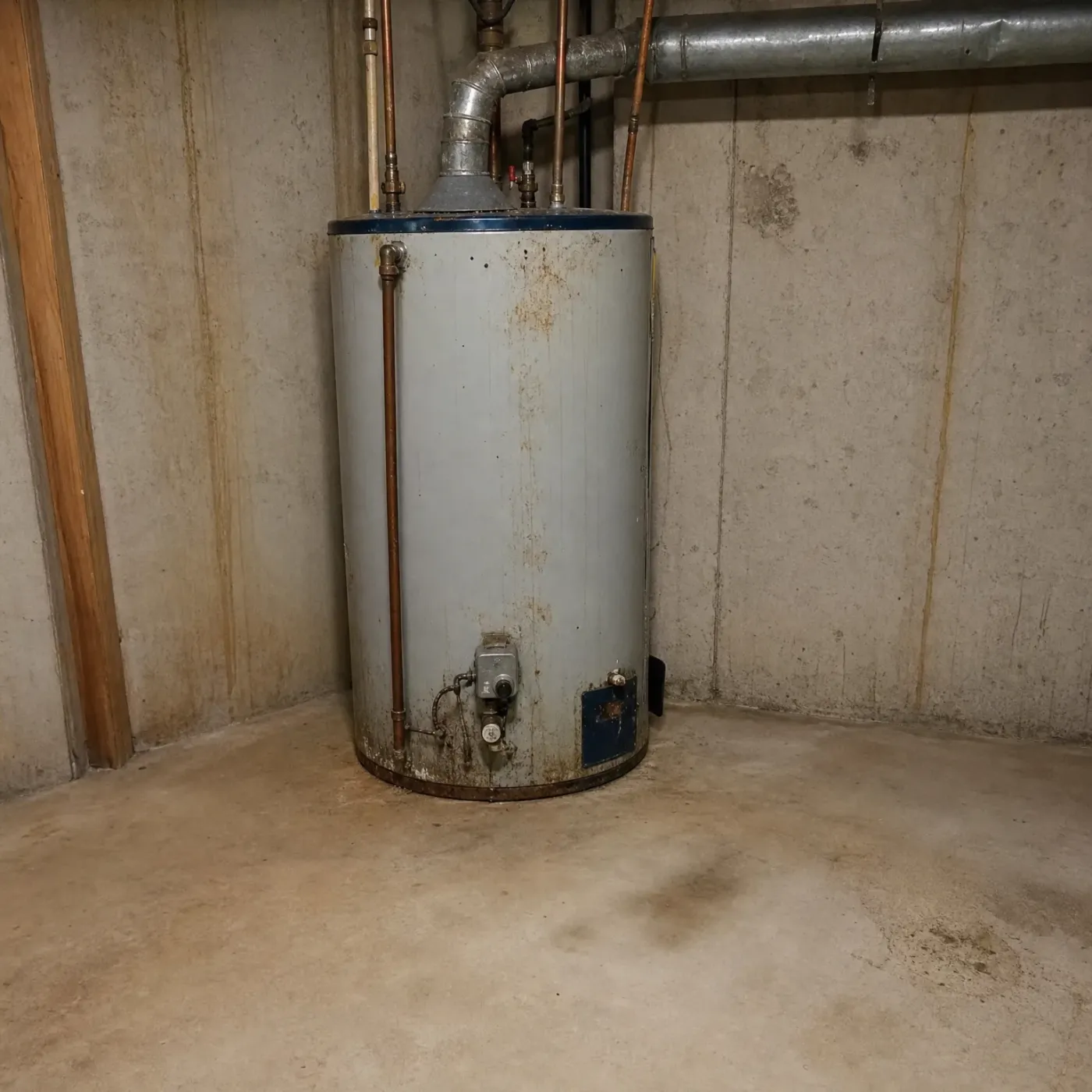
Rust has worked down the tank body and onto the floor beneath it. The flue pipe and supply lines still connect, but a tank rusting from the inside is losing capacity, not just looks. Once rust reaches the outside like this, it's not a part to replace. It's the tank itself giving out.
Power here costs 14.20 cents per kilowatt-hour
Since most homes here run on gas, that 14.20 cents a kilowatt-hour mostly covers the pilot light, igniter and controls, not the heating itself. It won't offset a tank that's lost capacity to sediment or a failing dip tube. The fix for a shower that runs cold early is mechanical, not electrical.
EIA-861 2025
A water heater that used to get you through a shower without trouble doesn't quit for no reason. Sediment sitting in the bottom of the tank, a dip tube that's cracked, a thermostat reading the wrong temperature, a tank that was always a size too small for the house. One of those is why you're standing in cold water now. None of them get better left alone. Sediment keeps settling. A cracked dip tube doesn't heal. A tank that's too small still has the same people needing hot water every morning. The fix depends on which one it is, and that takes someone looking at the tank itself, not guessing from the symptoms. What you know for sure is that showers in Scottsbluff shouldn't go cold halfway through, and a gas water heater working the way it should can get you there.
Water Heater Repair
Get matched with a water heater pro in Scotts Bluff County
Send it once and finding someone is no longer on you.